A Mini New Town Will Rise in Mia-dong as Housing Supply in Mia 2 and Mia 11 Districts Gets Underway
- Input
- 2026-09-16 10:00:00
- Updated
- 2026-09-16 10:00:00
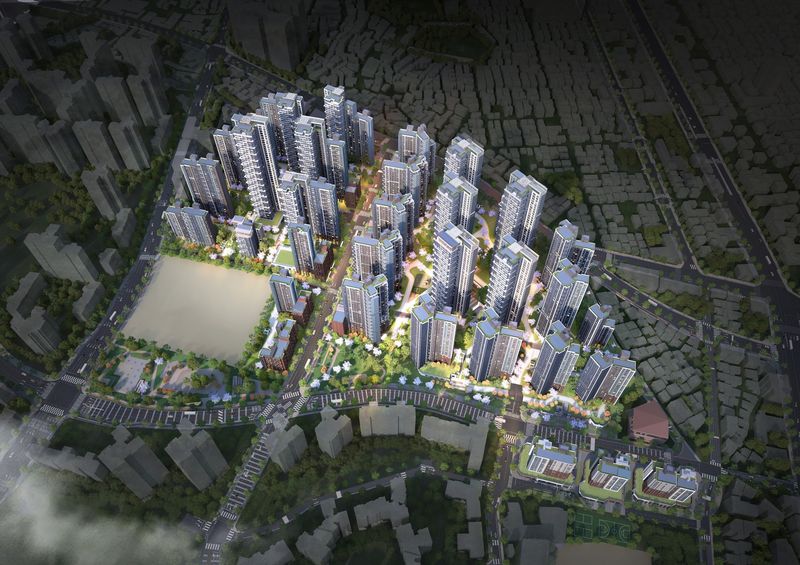
[Financial News] Housing supply in the Mia 2 and Mia 11 Redevelopment Promotion Districts in Gangbuk District is moving forward in earnest. The aging residential areas are expected to be transformed into key residential complexes in northern Seoul, equipped with large-scale apartment housing, schools, parks and public facilities.
According to the Seoul Metropolitan Government on the 16th, the 19th Integrated Review Committee for Maintenance Projects, held on the 15th, conditionally approved the integrated review of the Mia 2 Redevelopment Promotion District housing redevelopment project in seven areas: architecture, landscape, transportation, education, environment, parks and disaster prevention.
As a result, an apartment complex with up to 45 stories and a total of 4,003 homes will be built around 403 Mia-dong. The project includes 710 public housing units.
The approval of the integrated review is expected to improve the poor residential environment, including sloped terrain and narrow alleyways. The district will secure extensive green spaces, including a children's park and small parks, while creating open spaces centered around the school and pedestrian paths for residents to use together.
The pedestrian path connecting Miasageori Station and Samyang Sageori Station will include neighborhood facilities and a shaded pedestrian path designed to help residents cope with heat waves. High-rise residential buildings of up to 45 stories will be placed in the center of the complex, while buildings near surrounding areas will have fewer floors to create a harmonious streetscape. A grid-shaped view corridor will also enhance the complex's sense of openness.
Public facilities, including a civic college, community center and social welfare facilities, will be built alongside the apartment housing. Kindergartens and care centers will also be expanded to supplement the area's insufficient education, childcare and welfare infrastructure.
The Integrated Review Committee called for adjustments to the design to prevent some residential buildings from becoming excessively long and to improve the urban landscape.
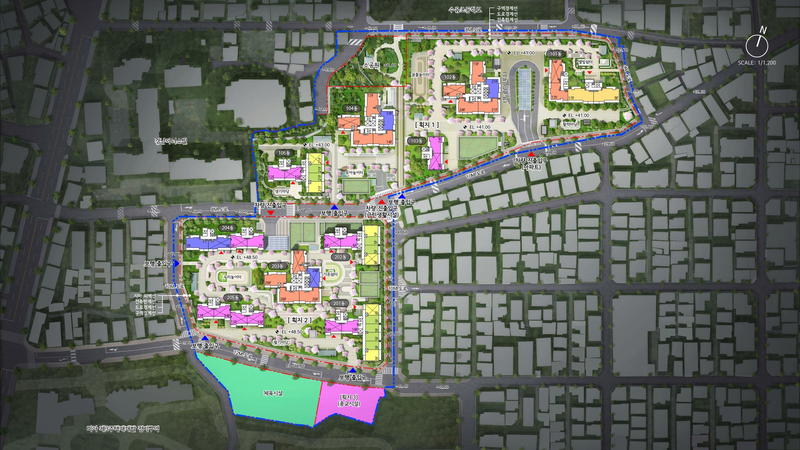
The committee also conditionally approved the integrated review of the Mia 11 Housing Maintenance-Type Redevelopment Project, located around 791-108 Mia-dong in Gangbuk District, in seven areas: architecture, landscape, transportation, disaster prevention, education, parks and environment.
Under the review plan, Mia 11 District will be developed with 10 apartment buildings ranging from three basement levels to 26 above-ground floors, with a height of 74 meters and a floor area ratio of 242.5%
, for a total of 656 homes, including 108 public housing units.
The project is designed as an open complex that responds to heat waves by creating a shaded pedestrian network connecting green spaces inside and outside the complex with pedestrian paths.
A 1,200-square-meter small park will be built on the site adjoining Samyang-ro, along with a 4-meter-wide public pedestrian passage connecting the northern and southern parts of the complex. The small park and public pedestrian passage will connect to surrounding pedestrian paths and continue into a Yoshino cherry tree path, forming a public shaded axis and providing a shaded pedestrian network.
Following the approval of the review, Mia 11 District plans to accelerate the project toward construction after obtaining approval for the project implementation plan and the management and disposal plan.
Myung No-jun, Director General for Housing of the Seoul Metropolitan Government, said, "We will provide active support so that maintenance projects can proceed smoothly through intensive schedule management aimed at expediting their implementation."
[email protected] Choi A-young Reporter