Unused Spaces Revived as Community Hubs... MOLIT Distributes Guidebook on Apartment Complex Space Utilization
- Input
- 2026-09-16 11:00:00
- Updated
- 2026-09-16 11:00:00
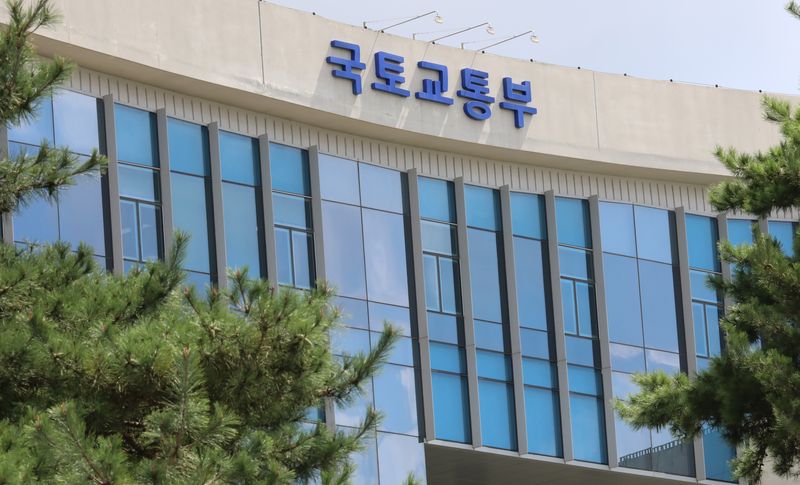
[Financial News] Unused spaces that had been left neglected in apartment complexes are being revived as venues for resident interaction and are receiving a positive response. The Ministry of Land, Infrastructure and Transport is compiling and publicizing exemplary cases.
MOLIT said on the 16th that it had prepared and would distribute a guide containing exemplary utilization cases and considerations under relevant laws to local governments and others, with the aim of increasing the use of residents’ communal facilities in multi-family housing and promoting a stronger sense of community.
The guide was prepared based on the results of an on-site survey conducted from September last year through May. MOLIT surveyed 226 complexes nationwide and visited 20 of them. The complexes where residents’ communal facilities were actively used rather than neglected shared three characteristics: accurate, data-based demand surveys; space optimization; and active resident participation working together organically.
The guide divides space revitalization methods into three categories: improving and using spaces without changing their designated purpose, using spaces after changing their designated purpose, and using existing spaces for multiple purposes.
Examples of improving spaces without changing their designated purpose include a complex that built a hydroponic smart farm in an unused first-floor lounge, provided the vegetables it produced to residents free of charge, and linked the facility to cooking and health classes. Another complex used the cooking equipment in an existing cooking studio to provide breakfast and brunch services. The guide also notes that serving meals to 50 or more people at a time requires registration as a group meal service facility under the Food Sanitation Act. It also requires reimbursement of actual costs and separate accounting to avoid violating the prohibition on profit-making operations under the Multi-Family Housing Management Act.
Examples of repurposed spaces include a complex that converted an outdoor badminton court, whose use had declined as the population aged, into landscaped green space and flower beds. Other examples include a complex that turned an underused squash court into a music hall and table tennis room to reduce inter-floor noise, one that converted a billiards room with high management costs into a reading room to secure study space, and one that transformed unused space in an underground parking garage into community facilities such as study and exercise rooms.
Examples of using existing spaces for multiple purposes include a complex that expanded its senior center into a space for nonmedical health management and cultural classes, opened it to residents of nearby complexes, and used it as a local community hub. Another complex linked its small library to a local government’s all-day care center program, using it jointly as a childcare space for elementary school students.
The guide also includes operating methods and examples for different types of residential services that can be applied immediately on site. These are divided into daily convenience services, such as breakfast and lunch, catering, unmanned cafés, and storage rentals for individual households; sports and healthcare services, such as operating fitness facilities within the complex and visiting nursing care; and education and childcare services, such as unmanned study cafés, lifelong education, and elementary school childcare classes. Relevant laws applicable to each service are also summarized.
An MOLIT official said, "We hope this guide will provide practical assistance to each multi-family housing complex in transforming neglected spaces into spaces tailored to residents’ needs." The guide will be available for download from the Central Multi-Family Housing Management Support Center website starting on the 17th.
[email protected] Jung Kyung-soo Reporter