Direct Flights to Chinese Metropolises to Open from Regional Airports...Traffic Rights Allocated for 25 International Routes
- Input
- 2026-09-16 07:33:07
- Updated
- 2026-09-16 07:33:07
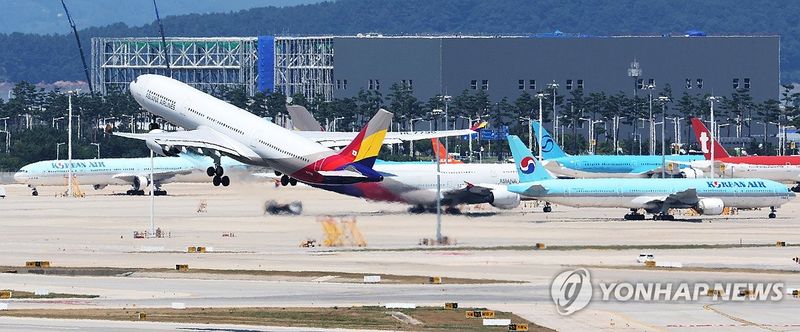
[Financial News] Air links from regional airports such as Busan, Cheongju and Daegu to major Chinese cities will expand.
The Ministry of Land, Infrastructure and Transport (MOLIT) said on the 16th that it had allocated traffic rights for 25 international air routes to 10 Korean airlines following deliberations by the Air Transport Deliberation Committee.
The allocation focused on expanding routes between South Korea and China in response to the recently growing demand for passenger travel between the two countries. MOLIT expects the move to broaden consumer choice and boost inbound tourism.
A variety of international traffic rights were also allocated to regional airports, improving travel convenience for local residents while encouraging more foreign tourists to visit regional areas. The allocation is expected to lead to the launch of direct routes from Busan, Cheongju and Daegu to major Chinese cities including Chengdu, Harbin, Dalian and Xiamen. Yangyang Airport, which is expected to resume international flights late this year for the first time in more than four years following the allocation of traffic rights in April, is also expected to expand its routes through the additional allocation.
At Incheon International Airport, traffic rights on major routes to Beijing, Shanghai and Guangzhou—previously concentrated among full-service carriers (FSCs) such as Korean Air—will also be allocated to new airlines, including low-cost carriers (LCCs), to promote competition. As a result, the number of weekly flights on major routes will increase, with the Beijing route rising from 38 to 52 and the Shanghai route from 56 to 63.
Traffic rights newly secured this year for the Czech Republic will also be allocated, expanding services to Central Europe and broadening travelers’ choice of airlines. MOLIT expects the allocation of rights connecting with Chinese cargo hubs such as Tianjin and Ezhou to help Korean importers and exporters expand their supply chains.
An official from the Ministry of Land, Infrastructure and Transport said, "The results of our efforts to secure traffic rights through aviation talks with various countries, while focusing on revitalizing regional airports and providing supply tailored to demand, are now leading to the actual launch of routes this year. It is true that high oil prices caused by the recent war in the Middle East have increased the burden on airlines operating routes. However, we will continue supporting the smooth launch of services by airlines that have been allocated traffic rights so that people can experience the expanded air links, and we will keep working to ensure that routes are provided where consumers need them."
[email protected] Jung Kyung-soo Reporter