Could the Outline of a Strait of Hormuz Deployment Emerge Around Chuseok? Seoul and Washington to Hold First Coordination This Week
- Input
- 2026-09-16 07:36:57
- Updated
- 2026-09-16 07:36:57
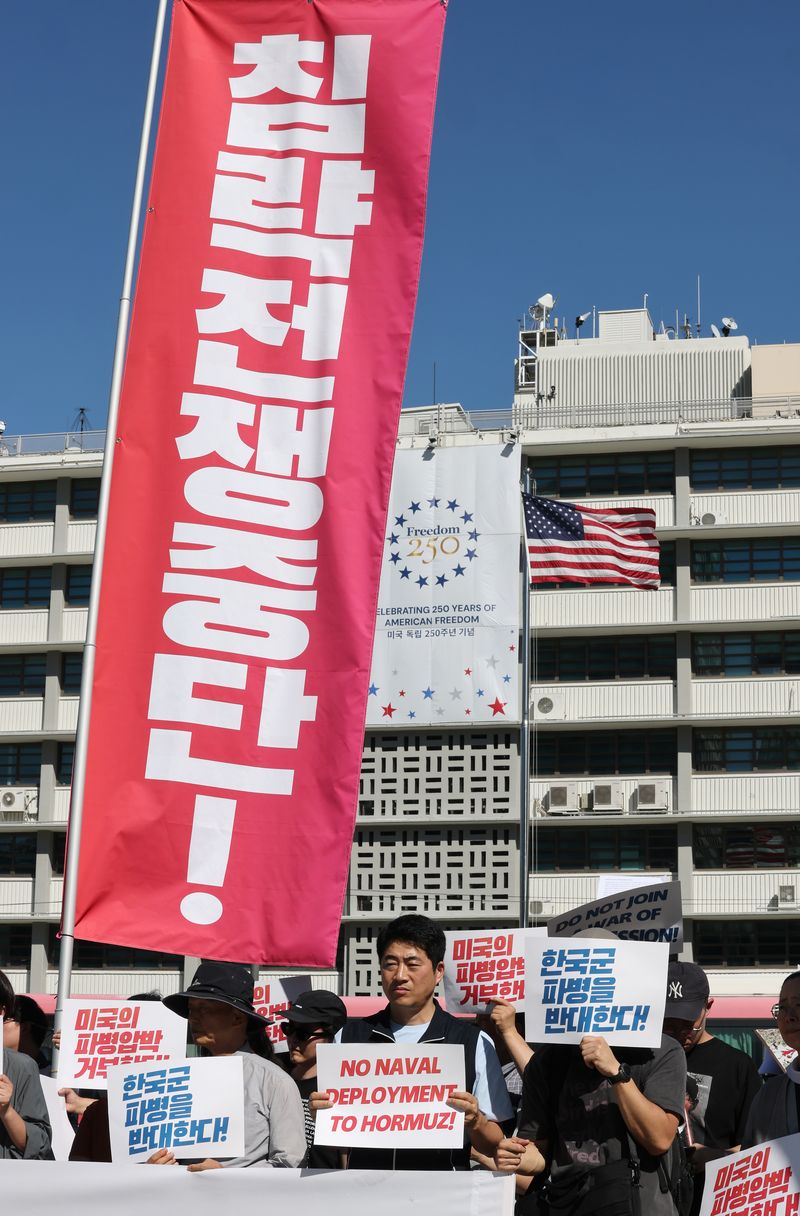
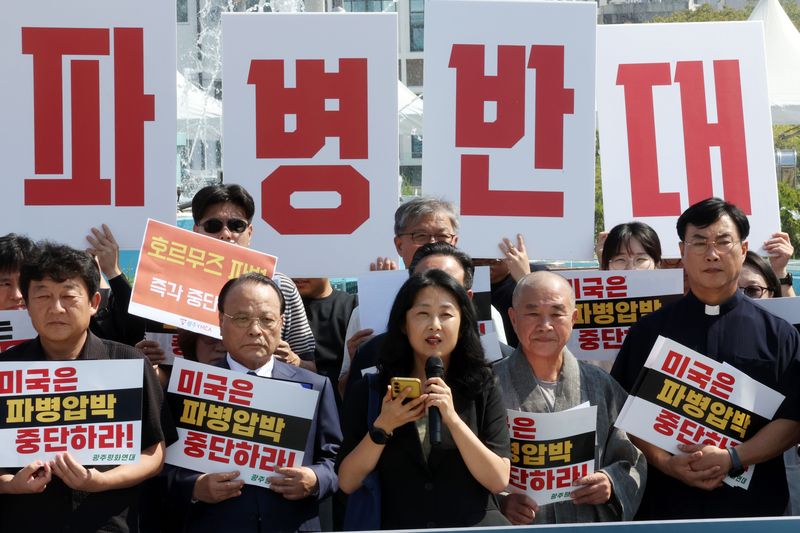
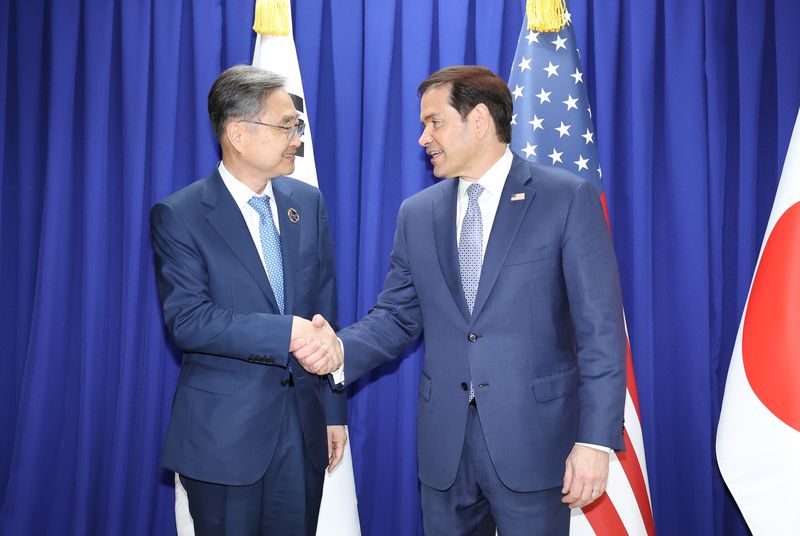
Cho Hyun is scheduled to meet Marco Rubio in Washington around the 18th, local time, for a South Korea-U.S. foreign ministers’ meeting. During his visit, Cho is expected to convey to the U.S. side matters including South Korea’s first investment project in the United States and the large-scale purchase of U.S.-made weapons. He will also communicate the South Korean government’s concerns regarding a deployment to the Strait of Hormuz.
It has not yet been specified how Cho Hyun will present South Korea’s position on the Defense Ministry’s recent fact-finding mission to the Middle East and Iran’s opposition to the deployment of South Korean troops. However, he is expected to propose various agendas that could ease U.S. President Donald Trump’s pressure for a troop deployment.
A National Security Council (NSC) meeting is also scheduled for the day Cho Hyun visits the United States, where the deployment to the Strait of Hormuz will be discussed. The meeting is expected to receive a report on the findings of the Defense Ministry’s fact-finding team, which was recently sent to the United Arab Emirates (UAE).
Some reports indicate that Seoul is considering sending a minimum number of troops, centered on noncombat or defensive assets such as maritime patrol aircraft, explosive ordnance disposal (EOD) teams and unmanned equipment. Taking into account the NSC’s findings and the final coordination between South Korea and the United States, a conclusion on the deployment issue could come as early as around Chuseok. If the decision is to deploy troops to the Strait of Hormuz, the government will immediately begin the process of seeking approval from the National Assembly.
The deliberation process over the deployment could take longer. Iran has warned of strong retaliation if South Korea sends troops, making a cautious decision necessary. Additional diplomatic measures will be needed to minimize Iran’s opposition.
Esmail Baghaei, spokesperson for Iran’s Foreign Ministry, issued a strong warning to the South Korean government in a statement written in Korean and posted on social media platform X on the 7th, local time. He said, "The military presence or participation in operations by another country in the Persian Gulf and the Strait of Hormuz can only be regarded as direct support for the party responsible for the act of aggression, and will lead to serious consequences."
Four days after receiving Iran’s warning, Cho Hyun held a phone call on the 11th at the request of Iranian Foreign Minister Seyyed Abbas Araghchi.
Some voices argue that South Korea should instead mediate peace talks amid an all-out war between the United States and Iran. The argument is that South Korea, which has experience with denuclearization negotiations between North Korea and the United States, should mediate nuclear negotiations between Washington and Tehran over the Iranian nuclear crisis.
[email protected] Kim Kyung-soo Reporter