Congressional Budget Office: "Iran War Costs $246 Million a Day"
- Input
- 2026-09-16 05:38:18
- Updated
- 2026-09-16 05:38:18
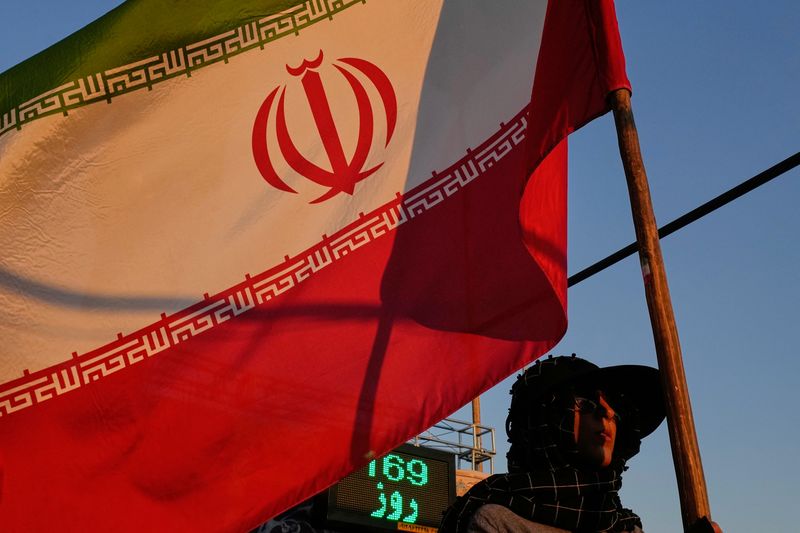
The United States’ war costs against Iran average $246 million a day, or approximately 335.4 billion won, the Congressional Budget Office (CBO) said in a report released on the 15th (local time).
The CBO estimated that the United States Department of Defense (DoD) had spent $38.1 billion by August 1 as a result of the war that began on February 28. It also projected that an additional $2 billion to $3 billion, or approximately 2.7 trillion to 5 trillion won, would be required each month going forward.
Two-Thirds of Interceptor Missiles Used
More than half of the war’s costs went toward replenishing missiles and other ammunition. An estimated $10.4 billion was spent as flight hours increased, while the additional burden from higher fuel costs reached $2.7 billion. Since the war with Iran began, oil and refined-product prices have surged as Gulf states’ oil refineries have been cut off from exporting petroleum products through the Strait of Hormuz.
The CBO also estimated that up to two-thirds of U.S. interceptor missiles had been used since June last year as the United States provided support to prevent Israel from being attacked by Iran. As a result, the analysis found that several years’ worth of U.S. interceptor-missile reserves had been depleted.
The CBO said in its report, "Replenishing the DoD’s stockpile of interceptor missiles will probably take at least five years," adding, "That would be the case even if production increases."
The report described the missile shortage as "particularly problematic." It cited the fact that adversary states possess large stockpiles of ballistic and cruise missiles. It warned that a missile shortage could become a serious problem for the United States if China provokes Taiwan.
Inflation Rises Alongside Logistics Costs
The CBO also raised concerns about higher oil prices triggered by the war with Iran and the resulting inflation.
By the first quarter of next year, inflation measured by the Personal Consumption Expenditures Price Index (PCE) was expected to be 0.5 percentage points higher year over year than it would have been without the war.
The core PCE price index, which the Federal Reserve System (Fed) uses as an inflation benchmark, was also projected to rise 0.3 percentage points more than it would have without the war. Even excluding energy and food, inflation caused by disruptions to energy supply chains could not be avoided. The CBO noted, "Logistics costs are reflected in the prices of almost all products."
The report expressed concern that by early next year, higher fuel costs resulting from the war with Iran would account for about 40% of the increase in consumer prices.
[email protected] Song Kyung-jae Reporter