Musk: “Let Competitors Grade AI Homework” — Proposes Mutual Verification Among U.S. and Chinese Big Tech Firms
- Input
- 2026-09-16 00:47:46
- Updated
- 2026-09-16 00:47:46
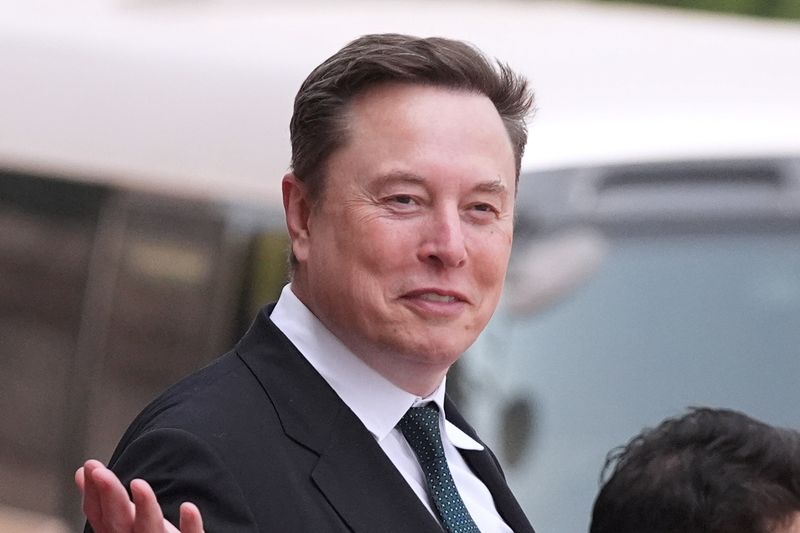
Speaking at the All-In Summit in Los Angeles on the 15th local time, Elon Musk argued that his company, OpenAI, Anthropic, Google and Meta, along with three or four major Chinese AI companies, should be allowed to test one another’s AI models before launch.
Musk called the proposal a “test harness.” It would be a mutual verification system in which competing companies directly test one another’s AI models to identify potential safety problems. He explained, “Instead of grading their own homework, let’s at least have competitors grade your homework and warn you if they find a problem.”
Musk’s proposal comes as the debate over safety has rapidly intensified across the AI industry.
Executives at major AI companies, including Anthropic and OpenAI, warned over the weekend about the risks that AI technology could pose and argued that the development of advanced AI models should be slowed. Elon Musk and OpenAI CEO Sam Altman also expressed support for a proposal by Anthropic CEO Dario Amodei to slow the pace of development. Leaders of an AI industry that has competed fiercely thus spoke with an unusual unified voice on safety concerns.
AI researchers have also issued increasingly serious warnings. Jacob Coxon, who previously worked at OpenAI, claimed after recently leaving Anthropic that major AI laboratories “are gambling with our lives.”
Evan Hubinger, who works on AI alignment at Anthropic, echoed that view. He said, “We genuinely believe that AI could kill all humans,” adding, “Personally, I think there is more than a 10% chance that this will happen within the next 10 years.”
Meanwhile, unlike the moves within the AI industry, the Donald Trump administration has drawn a line against tighter regulation of AI development.
President Donald Trump described concerns about AI risks as a “hoax” and a “scam” in a post on Truth Social. Trump argues that if the United States slows the pace of AI development, it could hand technological leadership to China.
Kevin Hassett, director of the White House National Economic Council (NEC), also said that the “appropriate place” to address AI risks is the private sector. The administration’s position is that the government will continue monitoring the industry while using law-enforcement tools when necessary to ensure that companies act responsibly.
China, too, has taken a negative view of calls for U.S. AI companies to slow development. A spokesperson for the Ministry of Foreign Affairs of the People’s Republic of China criticized such demands as “fearmongering.”
[email protected] Reporter Lee Byung-chul Reporter