Trump’s Boastful “Energy Ceasefire” Claim Falls Flat as Russia and Ukraine Trade Fierce Attacks on Refineries and Fuel Stations
- Input
- 2026-09-16 00:08:39
- Updated
- 2026-09-16 00:08:39
[Financial News] An “energy ceasefire” agreement between Russia and Ukraine, announced unexpectedly by U.S. President Donald Trump, fell apart under indiscriminate attacks by both sides before 24 hours had passed. Major foreign media outlets have sharply criticized Trump for hastily promoting “fake peace” in an apparent attempt to curb surging diesel prices ahead of the midterm elections.
According to major foreign media outlets, including The New York Times (NYT) and The Wall Street Journal, Russia and Ukraine exchanged large-scale airstrikes targeting each other’s energy and logistics infrastructure on the 15th (local time).
From the previous night through the early hours of the 15th, the Ukrainian military heavily struck the Syzran oil refinery in Russia’s Samara Oblast, which has an annual production capacity of 8.9 million tons, as well as a drone-manufacturing facility in southern Taganrog.
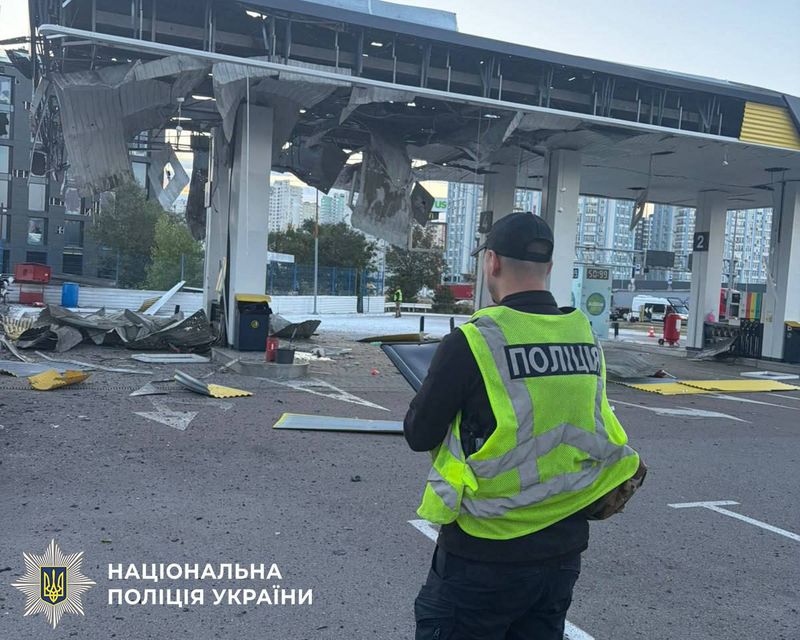
Russia immediately retaliated by deploying 200 drones. Several fuel stations in Ukraine’s capital, Kyiv, were bombed, causing a growing number of casualties. In southern Ukraine’s Zaporizhzhia Oblast, damage to the power grid killed one person and injured four others.
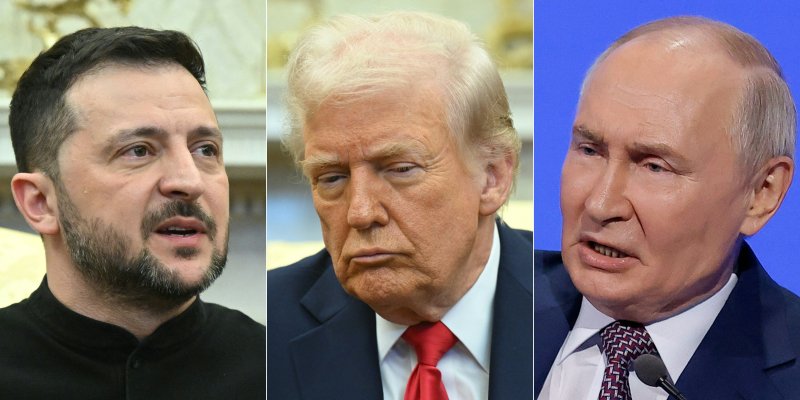
The developments directly contradicted Trump’s boastful claim the previous day on social media that “Russia and Ukraine have agreed not to strike each other’s energy facilities.”
The parties involved immediately distanced themselves from the claim. Ukrainian President Volodymyr Zelenskyy dismissed it, saying, “If Russia stops its destructive actions, we will stop as well, but we have no confidence at all that Russia is willing to honor the agreement.”
Dmitry Peskov, a spokesperson for the Russian Kremlin, called the suspension of infrastructure strikes “a good idea,” but effectively refuted Trump’s claim by saying, “Global market prices will fall only if the West’s illegal sanctions are lifted and tanker safety is guaranteed.” Russian Foreign Minister Sergey Lavrov went further, stating unequivocally, “The special military operation will not stop even during negotiations.”
The New York Times and The Wall Street Journal analyzed that, with the front line deadlocked, the two countries’ interests in using the approaching harsh winter as a weapon are converging, intensifying their attacks on energy facilities instead. They also assessed that Trump’s hasty ceasefire announcement was an overt political maneuver intended to appease U.S. voters exhausted by rising prices, particularly soaring diesel costs, ahead of the midterm elections in November.
[email protected] Park Ji-hyun Reporter