Japan’s Population Aged 100 and Over Tops 100,000 for First Time; Oldest Is a 114-Year-Old Who Loves Sweets
- Input
- 2026-09-15 16:40:05
- Updated
- 2026-09-15 16:40:05
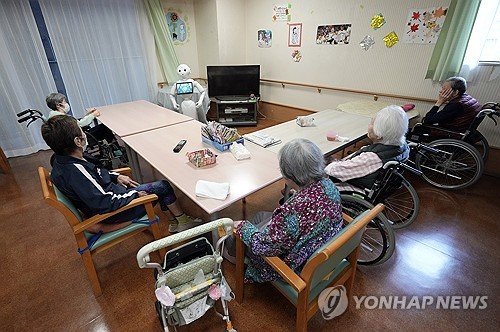
[Financial News] Japan’s population aged 100 and over has surpassed 100,000 for the first time ever.
According to the Ministry of Health, Labour and Welfare (MHLW) on September 15, the number of people aged 100 and over across Japan stood at 107,677 as of September 1, up 7,914 from last year.
This marked the 56th consecutive year of growth and the first time the figure has exceeded 100,000. The number rose rapidly from 153 in 1963, when the first survey was conducted, and 310 in 1970, when the increase began.
Women accounted for 94,298, or 87.6%, of those aged 100 and over. A total of 54,294 people turned 100 this year.
There were 87.51 people aged 100 and over per 100,000 residents. Among Japan’s prefectures, Shimane Prefecture had the highest proportion, at 186.65 per 100,000, followed by Kochi Prefecture at 169.52 and Tottori Prefecture at 152.48.
The oldest person in the overall population was Fuyo Kishimoto, a 114-year-old woman living in Kyoto City.
Kyodo News reported that Kishimoto lives peacefully in a special nursing home and enjoys sweet flavors so much that she adds sugar when eating bread porridge, a porridge made with bread. Kishimoto lost her husband in her 30s and later raised her children while working at construction sites. She continued working at construction sites until she was 80 and also volunteered to prepare meals at a childcare facility.
She has two daughters, including her eldest daughter, who is 94 and nearing 100, as well as six grandchildren, 11 great-grandchildren, and nine great-great-grandchildren.
Minister of Health, Labour and Welfare Kenichiro Ueno said ahead of Respect for the Aged Day on September 21, "As population aging is expected to progress further, it is extremely important to make the social security system sustainable."
[email protected] International Affairs Specialist Lee Seok-woo Reporter