U.S. Fuel Crisis Becomes Reality as Escape from the $6-Diesel Era Proves Difficult
- Input
- 2026-09-15 16:20:56
- Updated
- 2026-09-15 16:20:56
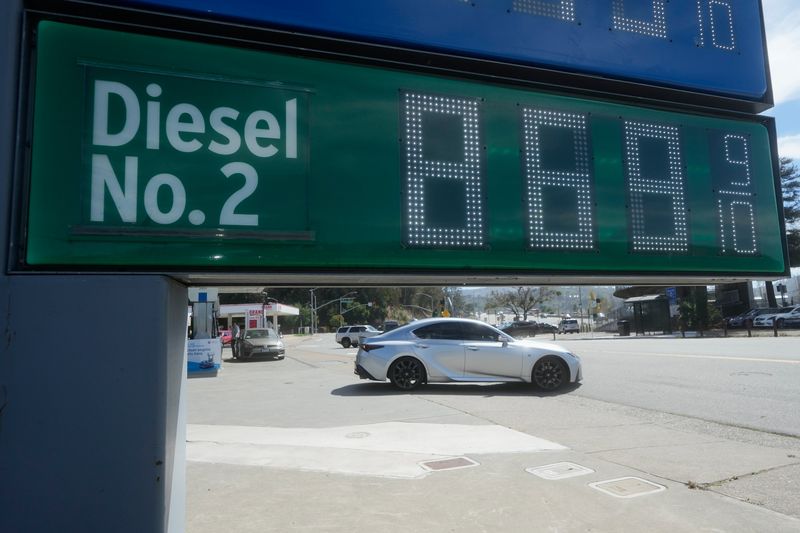
[Financial News] In the United States, where oil prices have surged sharply since the war with Iran began, concerns about a fuel crisis are growing across the industry. Energy company CEOs have warned that the stopgap measures that had barely kept oil prices in check are running out.
On the 14th (local time), The Wall Street Journal (WSJ) reported that the fuel crisis had become a reality following the attack on a Saudi Arabian pipeline on the 10th. On the same day, the American Automobile Association (AAA) said the average U.S. retail diesel price had reached a record $6.23 per gallon (3.78 liters), or approximately 8,468 won. Diesel prices first surpassed $6 per gallon on the 11th, the day after the Saudi pipeline was shut down by a drone attack from an Iran-aligned militia in Iraq, and set another record just one day later. The price is now about 68% higher than on February 28, when the United States and Israel attacked Iran.
Foreign media outlets analyzed that the attack on Saudi facilities could reduce supplies to the global crude oil market by about 4%. West Texas Intermediate crude oil (WTI) for October delivery traded in the U.S. market on the 14th closed at $101.39 per barrel, up 1.34% from the previous session. Brent crude for November delivery closed at $105.68 per barrel, up 1.02%.
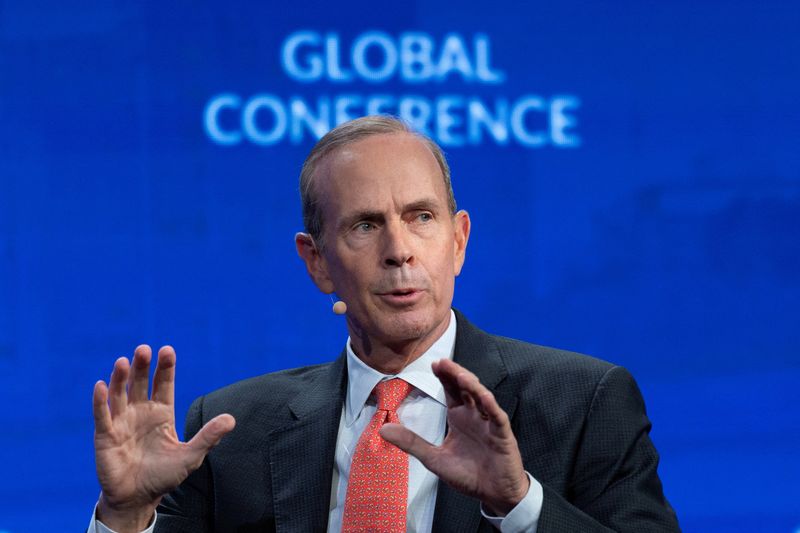
Earlier, the United States and other countries around the world sought to contain oil prices through policy measures, including releasing strategic reserves after the war with Iran began. Mike Wirth, CEO of Chevron, said at an energy event in Austin, Texas, on the 11th, "These measures helped mitigate supply risks and price increases, but they have now run their course." He warned, "The spare capacity we had in the energy supply system at the beginning of the crisis has almost been exhausted." As of the 21st of last month, U.S. strategic petroleum reserves stood at 290 million barrels, the lowest level since the end of 1982. That was about half of the storage capacity of 714 million barrels.
The Wall Street Journal reported in March that the CEOs of the three largest U.S. energy companies—Chevron, ExxonMobil and ConocoPhillips—had warned U.S. officials in the Trump administration, including U.S. Secretary of Energy Chris Wright and United States Secretary of the Interior Doug Burgum, about shortages of refined products such as diesel. The WSJ explained that Mike Wirth had frequently contacted Chris Wright at the Department of Energy to discuss oil-related issues.
However, in a statement on the 11th, Mike Wirth said he had not spoken with U.S. President Donald Trump since the 3rd of last month. Trump had posted on Truth Social at the time, criticizing Chevron and other U.S. energy companies before writing, "Lower consumer prices immediately!"
Energy companies are finding it difficult to lower prices because they have no inventory. Saudi Arabia, for its part, continues to export crude oil through the Red Sea despite the pipeline damage, but its crude oil inventory for Red Sea exports amounts to only five to seven days of supply.
Russell Hardy, CEO of Swiss energy and commodities trading company Vitol, said at a conference in Singapore on the 8th that shortages of refined products such as diesel were more serious than crude oil shortages. Refineries have been extensively damaged by the war with Iran and the war in Ukraine, which has continued since 2022. Hardy said oil product exports had fallen by 2 million barrels per day each in the Middle East and Russia, respectively, leaving the petroleum products market in a more serious crisis than the crude oil market. He explained, "Inventories are still declining," adding, "There is still not enough refining capacity operating to stop inventories from falling. Surplus supplies around the world are also continuing to be depleted."
Meanwhile, U.S. President Donald Trump emphasized on Truth Social on the 14th that "the rise in global diesel prices is mainly due to the war between Russia and Ukraine, not Iran." He said the two sides had agreed not to strike energy-related targets. Trump also previewed in a post on the 30th of last month, "One of the things I will do with Venezuelan oil is fill the national strategic reserves."
[email protected] Jong-won Park Reporter