"Lunch Is Just Too Expensive"—Even 2,500-Won Half-Roll Gimbap Has Appeared
- Input
- 2026-09-15 14:28:55
- Updated
- 2026-09-15 14:28:55
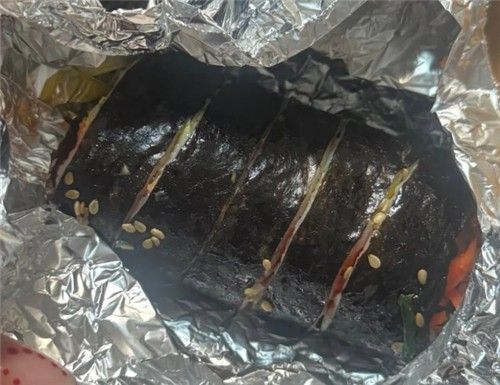
[Financial News] It is the era of "lunchflation," or lunch-price inflation. As high prices persist, meals costing well over 10,000 won are now commonplace. In response, "downsizing" consumption is spreading, with people buying only half a roll of gimbap or choosing coffee priced in the 1,000-won range to reduce their spending burden. This trend is reshaping young people's food culture.
Young People's Food Culture Embraces Downsizing: "Half-Price Gimbap? Sounds Good"
Yonhap News Agency reported on the 15th that a recent online community post about "half-roll gimbap, whose demand is growing" had attracted attention. The post included photos of small gimbap rolls wrapped in foil and laid out after being unwrapped. The product consists of five pieces—about half the amount in a standard roll—and sells for approximately 2,500 won.
Online users responded favorably, contrary to expectations. With gimbap prices recently exceeding 5,000 won per roll and the cost of meals rising amid high inflation, some say half-roll gimbap could be a reasonable alternative. One user commented, "Even a relatively large triangular gimbap costs nearly 2,000 won, so half a roll of gimbap for 2,500 won seems worth eating."
The trend toward cutting food expenses is particularly evident in coffee, a regular purchase, and single-item meals. Park Tae-jin, a 30-year-old office worker who drinks coffee priced in the 1,000-won range every lunchtime, said, "It is burdensome to spend 4,000 to 5,000 won on coffee every day, so most of my colleagues also favor budget coffee brands."
Budget Coffee and 5,000-Won Burgers: Lunches Built Around Value for Money
The impact of "lunchflation" can also be seen in the growing number of franchise outlets operated by budget coffee brands. According to the Fair Trade Commission's "2025 Franchise Business Statistics," Mega MGC Coffee, Compose Coffee, and Paik's Coffee had 3,325, 2,649, and 1,712 outlets, respectively, as of the end of 2024. The number of new openings stood at 657, 311, and 286, respectively.
The same trend explains why fast-food restaurants fill up during lunchtime. Set meals generally cost between 5,000 and 7,000 won, making it possible to eat for under 10,000 won. Burgers, which offer high satisfaction relative to their calorie content, are also gaining popularity as a "good-value meal." According to Woowa Brothers' "2026 Baemin Dining Trends" report, burger orders from January through May this year rose 14.2% from the same period last year.
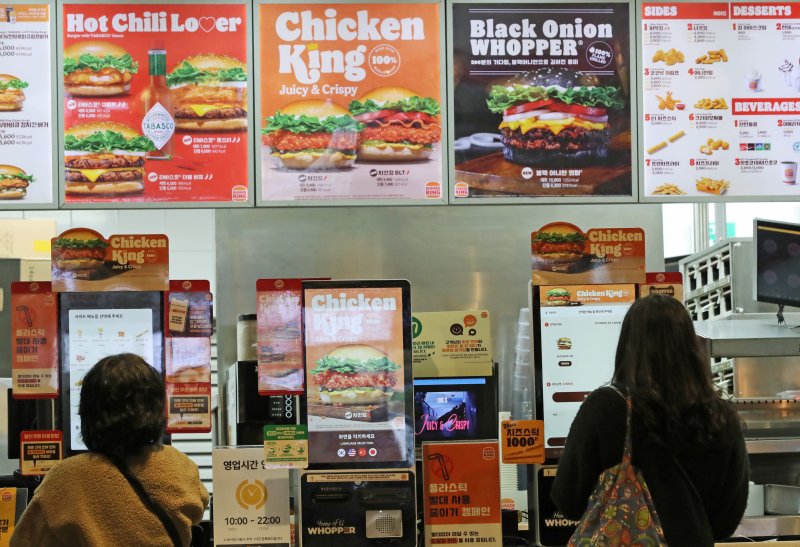
Professor Lee Hongjoo of Sookmyung Women's University explained, "As high prices continue, demand for inexpensive products among price-sensitive consumers, including young people, has grown. This appears to have led to the emergence of low-priced, small-portion foods."
She added, "It is positive in that it reduces the burden of food expenses, but excessive reliance on such products could lead people to choose meals mainly based on price and satiety, resulting in poorer nutritional balance. Consumers should consider balance in their diets, while businesses need to develop products that offer both value for money and nutrition."
[email protected] Kim Hee-sun Reporter