SK Innovation to Embed AI in 60-Year-Old Ulsan CLX, Pursuing a 'Dual-Brain' Transformation
- Input
- 2026-09-15 14:00:00
- Updated
- 2026-09-15 14:00:00
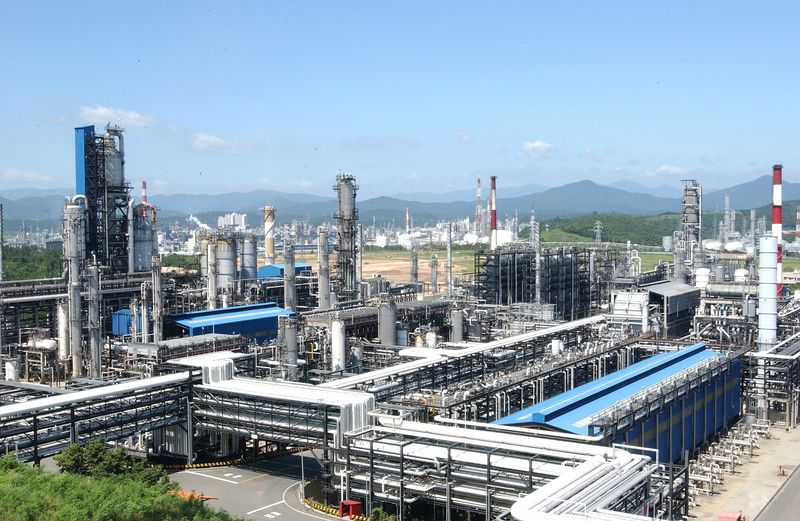
Located in Nam District, Ulsan Metropolitan City, Ulsan CLX is a production base spanning approximately 2.5 million pyeong, with integrated refining, petrochemical and base-oil production facilities. After operating Korea's first refinery in 1964 and undergoing successive expansions, it now processes 840,000 barrels of crude oil a day at five refineries. Approximately 3,000 people work there.
According to SK Innovation, 98 processes are interconnected at Ulsan CLX. Changes in the temperature or feedstock input of one process can affect the output, quality and energy consumption of others, making it difficult to optimize the entire operation through individual processes alone.
Advanced process control (APC) systems have been applied to some of the processes in the HOU control room visited by the reporter. APC calculates the results of changes in operating variables and recommends set points to achieve the desired operating outcomes.
Ulsan CLX's AX initiative has not yet reached the stage where AI operates the refinery on its own. Rather, it is focused on verifying whether adding AI analysis to existing control and optimization systems, while connecting six decades of accumulated process data with field experience, can improve operating efficiency and equipment reliability.
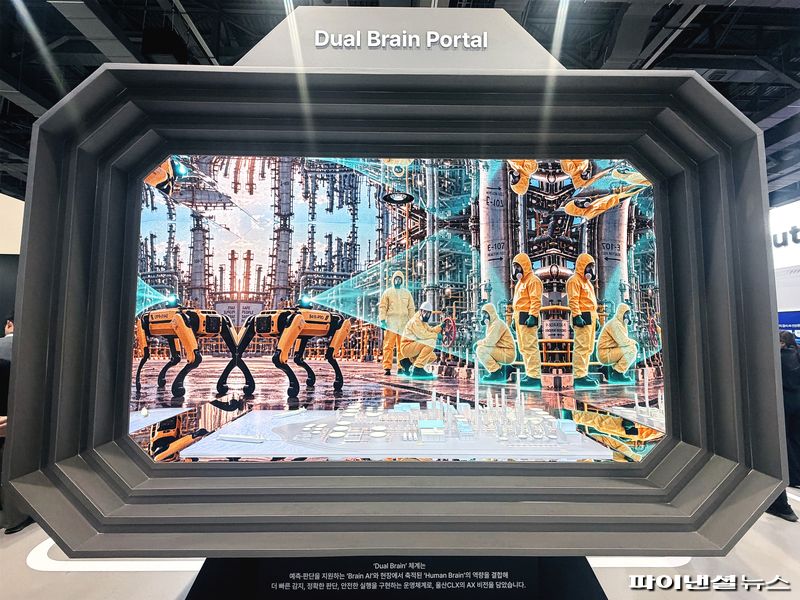
The next stage pursued by SK Innovation is a dual-brain system. A 'brain AI' analyzes process and equipment data around the clock, recommends optimal operating conditions and identifies anomalies, while field engineers review the recommendations and make the final decisions.
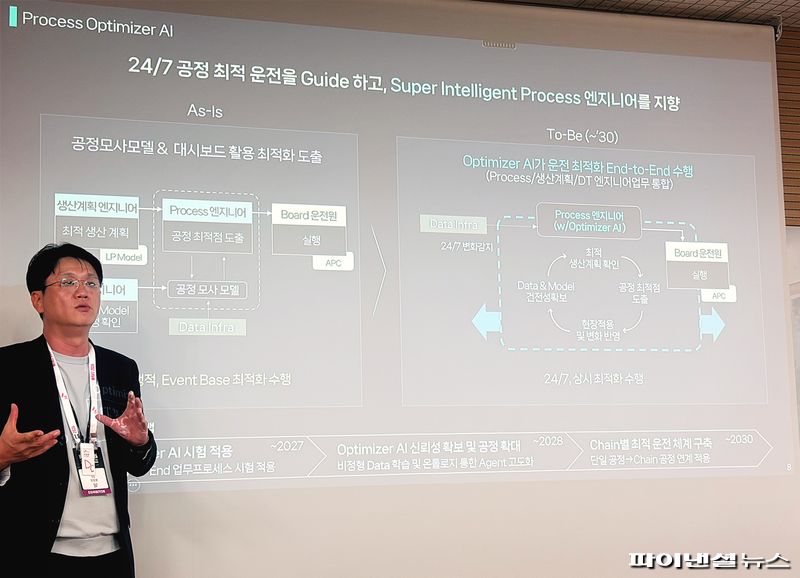
Actual implementation remains at an early stage. Jung Chang-hoon, head of the Ulsan CLX Manufacturing AI Team, told reporters, "We have currently built seven machine-learning models," adding, "We are considering ways to use them further in conjunction with existing optimization programs." It has not yet been decided how many of the 98 processes will be expanded to AI-based optimization.
Ulsan CLX is pursuing five manufacturing AI initiatives: production and utilities optimization, equipment anomaly prediction, maintenance planning, and safety, health and environment (SHE). The initiatives include optimizing steam, electricity and water consumption, as well as analyzing vibration and temperature data from major rotating equipment to detect anomalies in advance. The company is also building a safety-management system that combines video-recognition AI with CCTV footage, gas detectors, equipment sensors and worker-location data.
Drones are also being upgraded for predictive maintenance. Rather than simply increasing the number of drones in operation, the company is analyzing field data collected through inspections of elevated equipment with AI and using the results for maintenance planning.
Ulsan CLX plans to expand the scope of AI applications after 2030, beginning with the development and validation of predictive models and AI agents, followed by expanded data infrastructure and efforts to establish the reliability of brain AI.
SK Innovation's 2030 targets are annual productivity gains of approximately KRW 100 billion, zero equipment shutdowns and zero serious accidents. However, specific criteria for calculating productivity improvements and empirical results have not yet been disclosed. Regarding the productivity increase resulting from AI adoption, Jung said, "We are also discussing what standards to use to measure the figures."
Chey Tae-won, chairman of the SK Group, also presented AX at Ulsan's manufacturing sites as one pillar of SK Innovation's business transformation. Meeting with reporters, Chey said SK Innovation was shifting toward AX and emphasized that if Ulsan establishes itself as a leading model for manufacturing AX, it could lead to the broader spread of AI across Korean industries.
[email protected] Kim Mi-hee Reporter