Korea Pine Leaf Extract Shows Potential to Improve Fatigue
- Input
- 2026-09-15 09:45:26
- Updated
- 2026-09-15 09:45:26
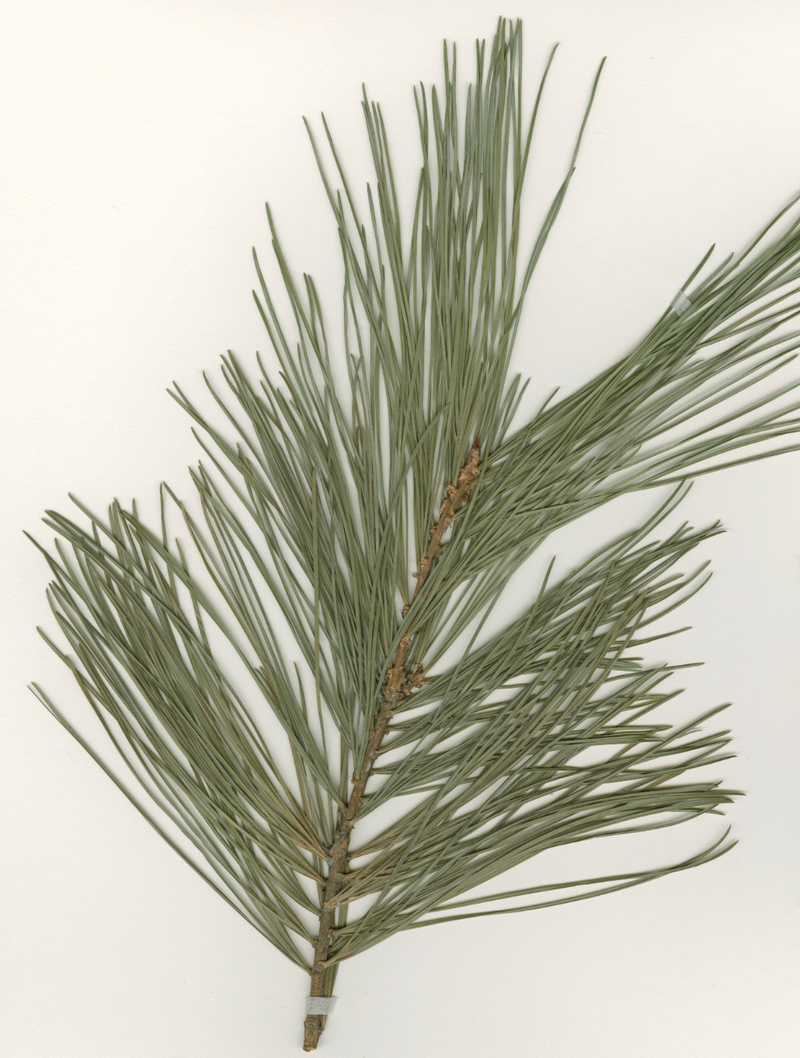
According to the Korean Institute of Oriental Medicine on the 15th, a research team led by Dr. Lee Mi-young of the institute’s Department of Herbal Medicine Convergence Research has been jointly developing an anti-fatigue functional ingredient based on a GMP-standardized extract of Korea pine leaves and its marker compound, Lambertianic acid (LA), in collaboration with Huons N. GMP stands for “Good Manufacturing Practice” and refers to good manufacturing and quality control standards designed to ensure the safety and efficacy of pharmaceuticals, food, cosmetics, and medical devices.
The research team conducted experiments on muscle cells and a mouse model of fatigue using Korea pine leaf extract and its marker compound, Lambertianic acid. The team also examined the relevant mechanisms through computer-based analysis.
First, when Korea pine leaf extract was applied to muscle cells exposed to oxidative stress, reactive oxygen species decreased, while cellular and mitochondrial damage was alleviated. Similar effects were observed with the marker compound Lambertianic acid.
The researchers then administered Korea pine leaf extract and Lambertianic acid to mice whose fatigue had been induced by inflammation. As a result, reduced grip strength recovered, and the time spent immobile in the forced-swim test decreased, indicating improvements in fatigue- and endurance-related measures.
Changes were also observed inside the muscles. In mice with induced fatigue, muscle glycogen decreased by about 70%, and ATP, a major energy substance directly used for cellular activities such as muscle contraction, also declined. After administration of Korea pine leaf extract and Lambertianic acid, however, the relevant indicators recovered to levels close to normal.
Based on the cell and animal experiments and computer analyses, the researchers suggested that PI3K-related signaling pathways may be involved in the process by which Korea pine leaf extract reduces oxidative stress and regulates mitochondrial biogenesis. PI3K is a key signaling protein that regulates metabolism, growth, and survival within cells. The team said it had confirmed the potential of Korea pine leaf extract to improve fatigue by restoring muscle energy metabolism and mitochondrial-related functions.
The findings were published online on June 29, 2026, in Applied Biological Chemistry, an international journal in the field of applied biological chemistry with an impact factor of 4.2.
Dr. Lee Mi-young said, “This study is significant because it confirmed the potential of Korea pine leaves, which have had limited use, to serve as a functional material for improving muscle fatigue and provided scientific evidence for converting them into a high-value anti-fatigue functional ingredient.” She added, “We will continue follow-up research and commercialization efforts so that it can be developed into a functional food ingredient that may help improve fatigue.”
[email protected] Yeon Ji-an Reporter