Kim Dong-yeon: "This is not a fiscal crisis"... Choo Mi-ae breaks silence on the fiscal crisis theory blaming her predecessor and responds head-on
- Input
- 2026-09-15 09:34:41
- Updated
- 2026-09-15 09:34:41
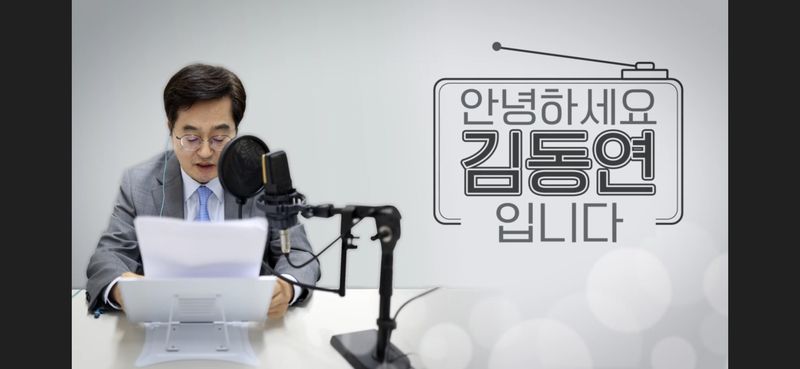
On the 15th, former Governor Kim expressed his stance on the controversy regarding Gyeonggi Province's finances by posting on his Facebook page, "I fulfilled my responsibilities through expansionary fiscal policy."
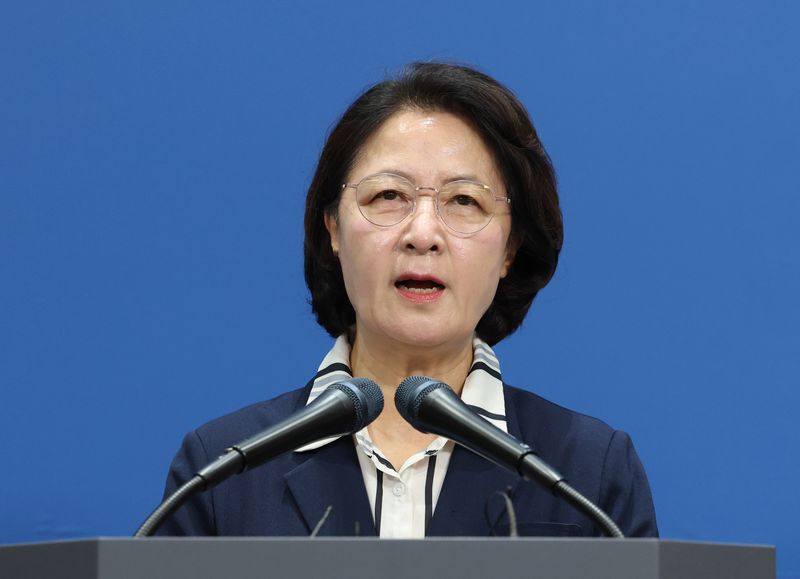
He stated, "I have refrained from speaking out of respect for the new administration's time to establish policy directions and to avoid adding unnecessary controversy," yet he directly countered Governor Choo Mi-ae's argument—which pointed to the previous administration's expansionary fiscal policy as the cause of the fiscal crisis—by citing objective indicators and administrative realities.
Former Governor Kim first expressed the justification for expansionary fiscal policy, stating, "During an economic downturn, fiscal policy must serve as a pillar of support, even if it means accepting a deficit."
He stated that had Gyeonggi Province reduced spending amid the 'three-high crisis' of high interest rates, high inflation, and high exchange rates, as well as the Yoon Suk Yeol administration's fiscal austerity and tax revenue shortfall, the damage would have fallen on residents, and that it was a responsible choice made to protect people's livelihoods.
Regarding the controversy over the issuance of local bonds and fund borrowing, he explained that it was "not just debt, but an investment in the lives of residents and the future of Gyeonggi Province."
The funds were invested in essential infrastructure and livelihood support, such as road, railway, and river projects and government relief funds for damage caused by high oil prices, and the livelihood budget, which was allocated for only nine months, was also planned to be supplemented through a supplementary budget in the second half of the year.
In particular, former Governor Kim strongly emphasized that "we are absolutely not in a fiscal crisis right now."
He presented objective figures showing that Gyeonggi Province's debt-to-budget ratio in 2025 is 12.86%, significantly lower than the national average for cities and provinces (15.52%) as well as the Seoul Metropolitan Government (21.62%), and far below the government's cautionary threshold of 25%.
He also pointed out that concluding that there is a crisis based solely on the magnitude of the debt increase distorts reality.
Finally, pointing to structural tax revenue issues such as the sharp decline in acquisition tax—down about 28% over four years—and the surge in mandatory welfare costs—up 55.5%—he suggested that this is not a problem that can be solved solely through savings by a single provincial administration, but a task that the central government, the National Assembly, and local governments must address together.
Former Governor Kim stated, "Although I have left my position, I do not believe I have left my responsibility behind," adding, "I will cooperate at any time to put Gyeonggi Province's finances back on track, regardless of whether I am the former or current governor."
[email protected] Jang Chung-sik Reporter