U.S. 10-Year Treasury Yield Breaks Through the ‘Dreaded 5%’ Threshold, Threatening Levels Seen Just Before the 2007 Financial Crisis
- Input
- 2026-09-15 00:08:08
- Updated
- 2026-09-15 00:08:08
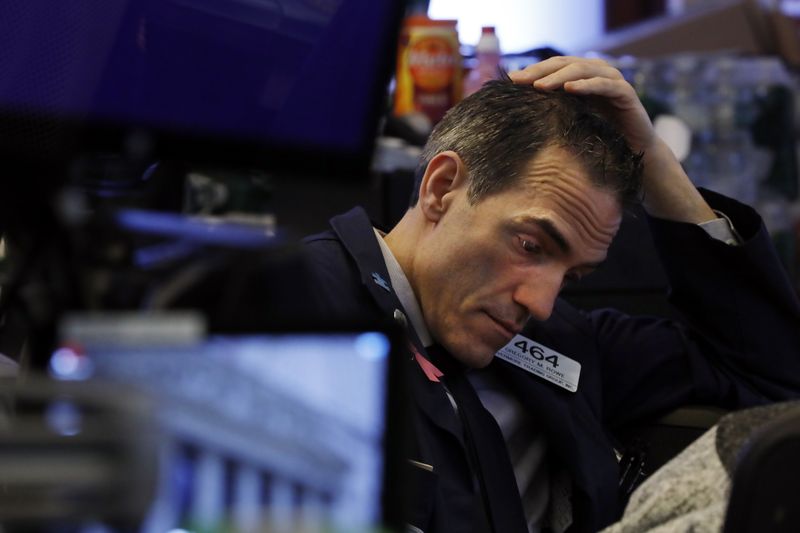
[Financial News] The yield on the U.S. 10-year Treasury note has broken through the psychologically significant 5.00% annual threshold as persistent inflation and fears of a policy-rate hike converge. With the ‘dreaded 5%’ barrier breached—reducing the appeal of risk assets such as stocks and increasing corporate financing costs—market tensions are reaching a peak.
According to CNBC and other foreign media outlets on the 14th local time, the yield on the U.S. 10-year Treasury note stood at 5.012% as of 10:21 a.m. Eastern Time, up 2.9 basis points from the previous session. One basis point is equal to 0.01 percentage point.
The U.S. 10-year Treasury yield has not exceeded 5% intraday since October 2023, nearly three years ago. If the upward trend continues and the yield surpasses 5.02%, it will reach its highest level since July 2007, just before the 2008 global financial crisis.
The reason markets are taking this latest breach of 5% particularly seriously is the ‘interest-rate gap’ compared with the past. In 2023, the Fed’s policy rate itself was in the 5% range. Now, however, the market yield has surged well above 5% and is reacting violently even though the policy rate is currently at 3.50% to 3.75%.
The key driver of the Treasury sell-off, which pushes yields higher, is persistent inflationary pressure. The U.S. Consumer Price Index (CPI) released on the 11th rose 3.4% year on year in August, far exceeding the Federal Reserve System (Fed)’s 2% target. As a result, expectations have grown that the policy rate will be raised at the September Federal Open Market Committee (FOMC) meeting scheduled for the 15th and 16th. According to the CME FedWatch Tool, markets are treating as a near certainty a 90% probability that the Fed will raise rates by 0.25 percentage point at this FOMC meeting.
The U.S. government’s market intervention also failed to have the desired effect. U.S. Treasury Secretary Scott Bessent said last month that the U.S. Department of the Treasury (Treasury Department) would at least double the scale of long-term Treasury buybacks (early redemptions) to curb rising Treasury yields. However, the measure was insufficient to ease market concerns over supply and demand.
Meanwhile, the yield on the 2-year Treasury note, which is most sensitive to the Fed’s monetary policy, also rose by more than 2 basis points from the previous session to 4.666%, reaching its highest level since July 2024. The yield on the 30-year Treasury note, which is sensitive to geopolitical risks, also climbed to 5.374%, reflecting broad weakness across the bond market.
[email protected] Jihyun Park Reporter