Kia President Song Ho-sung: "The Main Game in Europe’s Commercial-Vehicle Market Begins with PV7" [IAA 2026]
- Input
- 2026-09-15 15:30:00
- Updated
- 2026-09-15 15:30:00

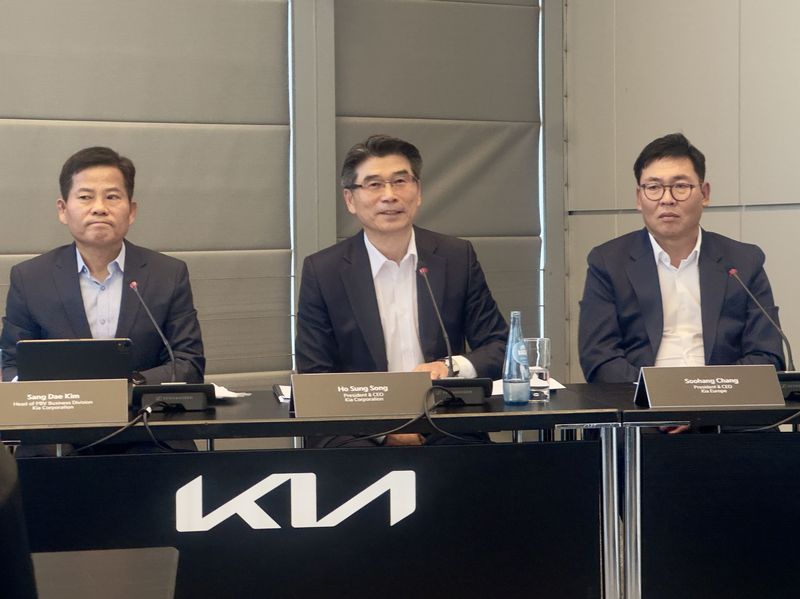
■PV5 was the qualifying round: "It would be tough without experience"
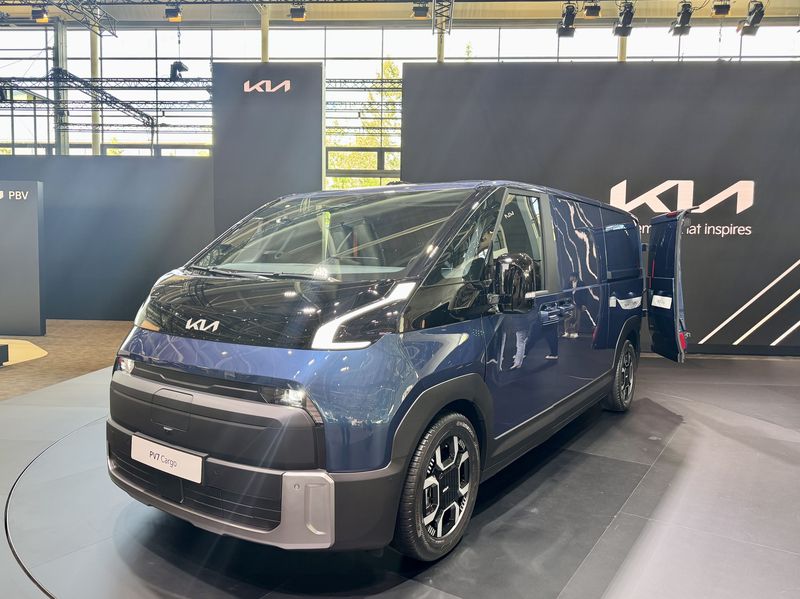
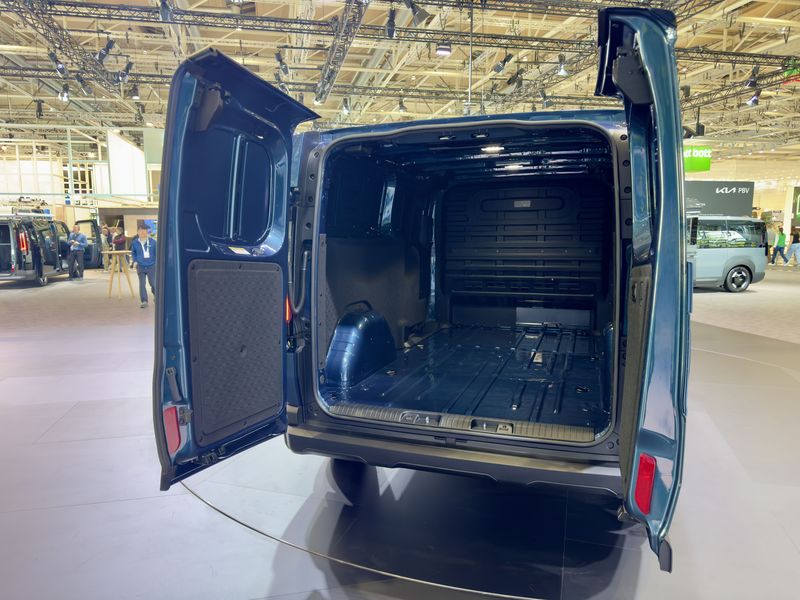
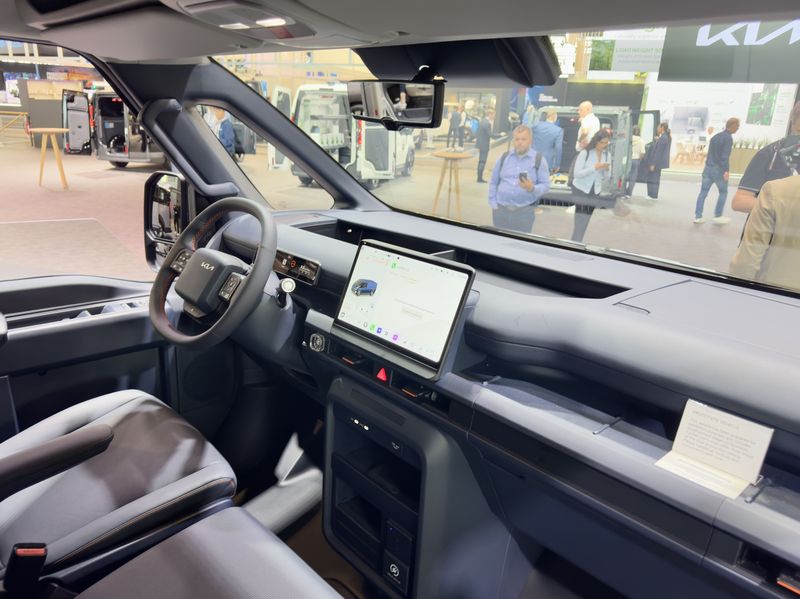
There was a reason Kia launched PV5 first. Song explained, "We decided to launch PV5 first and PV7 afterward because competition in the market where PV7 belongs is that intense. We thought introducing PV7 first, without any market experience, would be extremely tough."
The CDV (Car Derived Van) market entered by PV5 has a scale of 700,000 to 800,000 units and was considered an area where Kia could demonstrate its competitiveness through the product itself. In fact, PV5 ranks first in Europe’s C-segment electric-van market, with a market share of around 30%. By contrast, the midsize van (MVAN) market targeted by PV7 is worth approximately 800,000 units and represents the core market for light commercial vehicles (LCVs).
The market outlook is also supporting the launch of PV7. Song said, "This year’s European LCV market is approximately 2.4 million units, of which electric vehicles account for about 360,000, or around 15%. We expect the number of electric vehicles to rise to approximately 800,000 by 2030, accounting for 30%." He estimated that South Korea’s LCV market, currently about 150,000 units, would see approximately 60,000 units, or 40%, become electrified by 2030.
Kia has set a target of selling 250,000 PBVs annually by 2030. Song stated, "Broadly speaking, PV5 will account for approximately 120,000 units, while PV7 and PV9 will account for approximately 130,000," adding, "We are preparing our plants accordingly." Kia plans to introduce Kia PV9 two years after the launch of PV7.
Kia has decided to exclude the U.S. market from its target markets for the time being. Song said, "Because driving distances are so long there, it is not easy to convert vehicles used for deliveries to electric vehicles. The U.S. is not currently a target, but we plan to sell PV7 in other regions, including the Middle East and Asia-Pacific." Kia plans to supply approximately 160 PV5 vehicles to a Dubai taxi company in the second half of this year.
■The decisive factor is not the vehicle but the ‘ecosystem’
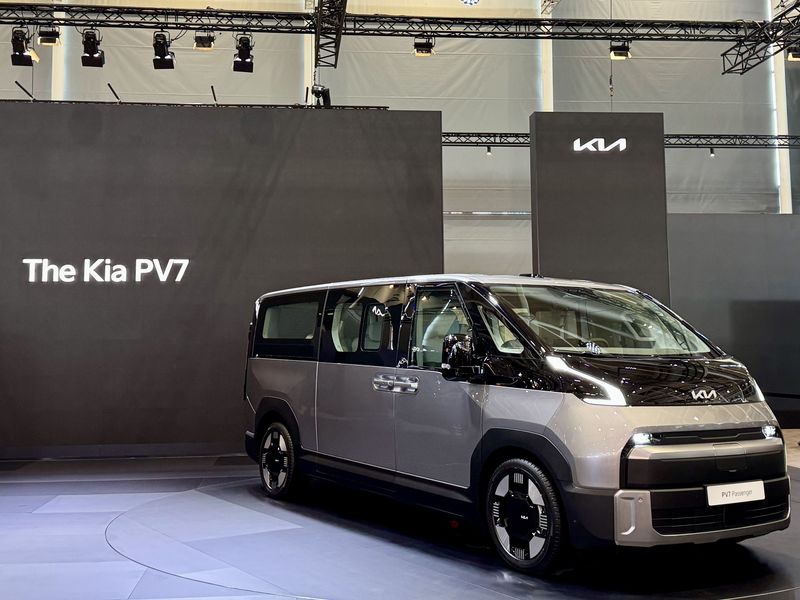
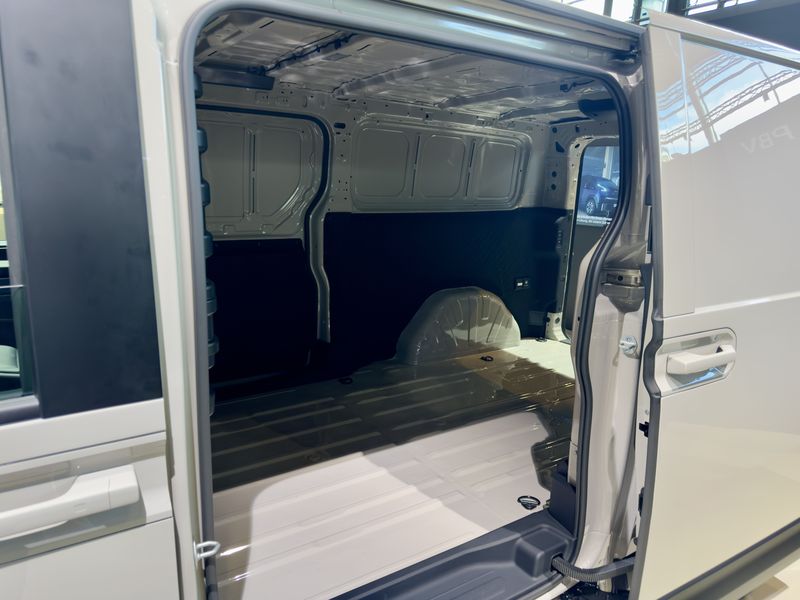
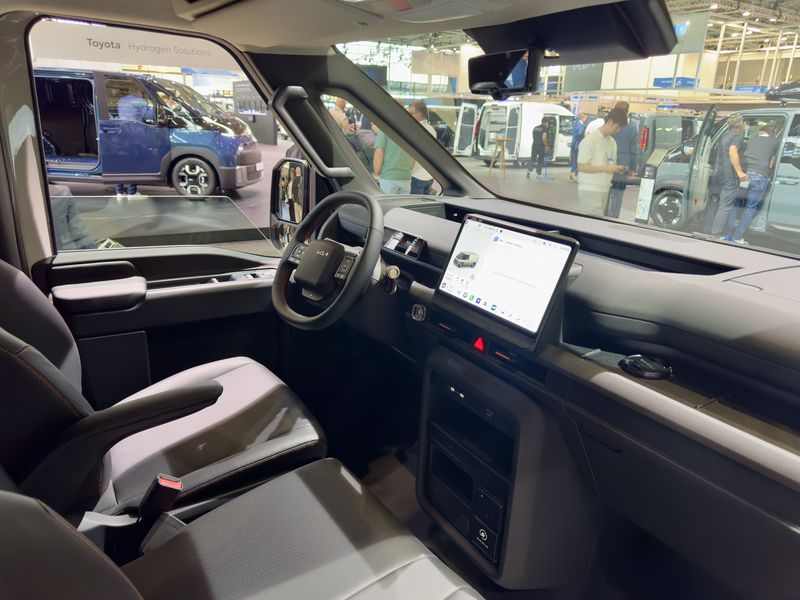
Results are already emerging. Contracts for approximately 4,000 PV5 vehicles have been completed, and deliveries are underway. Swedish installation-services company Bravida accounts for more than 400 vehicles, U.K. mobility leasing operator Motability accounts for more than 300, and Finnish elevator company KONE accounts for approximately 300. Song expressed confidence, saying, "We are also negotiating orders for more than 17,000 vehicles and are in talks with more than 300 companies. These companies will become assets for PV7 in the future."
Kia is also continuing discussions with major global distributors. Song explained, "PV7 is particularly suitable for large distribution and delivery companies because it is a large delivery van. We have been communicating with these companies for a long time and are incorporating their requirements into the product in advance."
Regarding the offensive by Chinese manufacturers, Song emphasized that Kia would compete through quality, its service network, and customer management rather than price competition. He said, "Maxus is selling at a considerably lower price than existing OEMs, but there is a difference in terms of its network. Kia has more than 2,500 network locations in Europe, so we can manage downtime sufficiently."[email protected] Dongchan Kim Reporter