Brent Crude Hits $108 as Saudi Arabia Shuts Pipeline
- Input
- 2026-09-14 21:30:06
- Updated
- 2026-09-14 21:30:06
As of 8:30 a.m. U.S. Eastern Time on the 14th, West Texas Intermediate crude (WTI) futures were trading at $103.14 per barrel, up about 3%. Brent crude, the international benchmark, rose 3.42% to $108.19 per barrel. International oil prices jumped about 9% last week alone as fighting between the United States and Iran intensified.
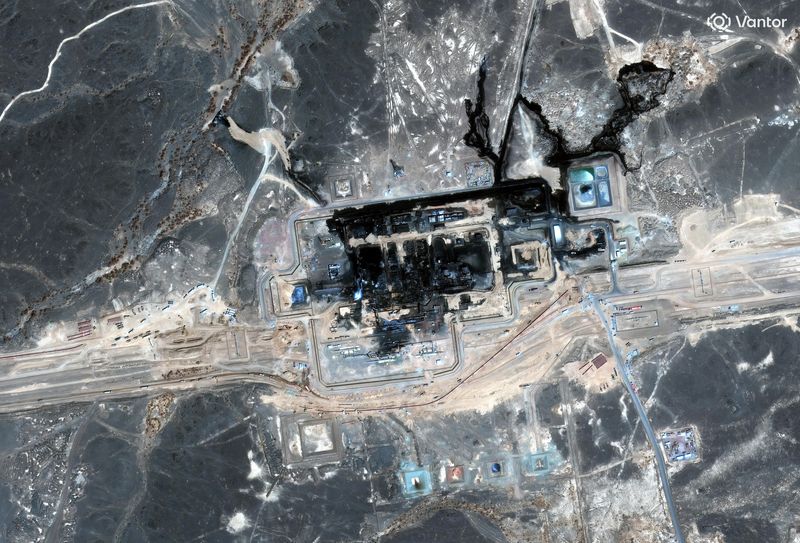
The development that pushed oil prices higher again was Saudi Arabia’s shutdown of the East-West Pipeline. The Saudi government halted operations after a drone launched from Iraq damaged the pipeline on the 10th. It did not disclose the extent of the damage or when operations would resume.
The East-West Pipeline can transport up to 7 million barrels a day, linking oil-producing areas near the Persian Gulf with export terminals along the Red Sea. As the United States and Iran clashed over the Strait of Hormuz, Saudi Arabia had been rerouting crude exports toward the Red Sea through the pipeline. It has effectively served as a key alternative route to offset supply disruptions in the Strait of Hormuz.
The concern is that a prolonged shutdown could create further problems. Crude exports from Yanbu Port on the Red Sea averaged 2.6 million barrels a day over the past seven days. Janiv Shah, an analyst at Rystad Energy, said Saudi Arabia’s domestic inventories could cushion export disruptions in the short term, but warned, “The situation could change rapidly if the disruption lasts beyond the five to seven days that inventories can sustain.”
Tensions surrounding crude transportation networks in the Middle East are also spreading. Another tanker was attacked in the Strait of Hormuz on the 13th, causing a major fire. A diplomatic meeting that Iran and the Gulf Arab states had planned to hold in Oman to discuss the situation in the Strait of Hormuz was also postponed after the pipeline attack.
Meanwhile, Iran-aligned Houthi rebels are expanding their control to strategic areas around the Bab el-Mandeb Strait, which connects the southern Red Sea with global markets. Concerns that the Strait of Hormuz and the Red Sea—two major crude transportation routes in the Middle East—could be disrupted simultaneously are pushing international oil prices higher again.
[email protected] Correspondent Lee Byung-chul Reporter