Cargo Classification Using the Thousand Character Classic... 700-Year-Old Logistics System Confirmed from Sandalwood from the Shinan ship
- Input
- 2026-09-14 15:49:24
- Updated
- 2026-09-14 15:49:24
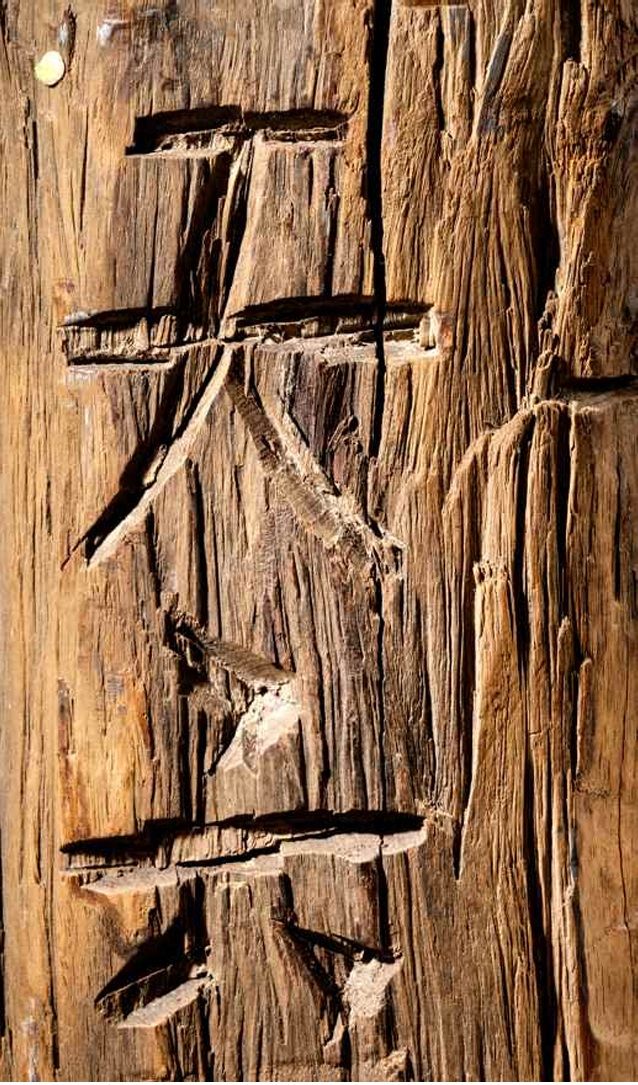
According to the National Research Institute of Maritime Heritage of the Korea Heritage Service on the 14th, such a cargo management system was revealed during the process of precisely recording the sandalwood salvaged from the Shinan ship using a 3D digital method. Sandalwood is a high-quality timber found in Southeast Asia and India.
The Shinan ship was a trading vessel heading from the Yuan dynasty to Japan in 1323. Given the trading structure of the time, where goods from multiple merchants were loaded onto a single ship, it appears that a sorting device to prevent cargo from mixing was crucial. This is why deciphering the markings serves as a clue to understanding not only the types of goods but also the trading procedures.
There are six artifacts whose markings have been newly deciphered into the Phags-pa script. This script is pronounced 'zhi'. Given that it was primarily used by the ruling class of the Yuan dynasty, the institute suggested the possibility that it was used to symbolize authority or for the official inspection and management of cargo.
Among the approximately 160 pieces of sandalwood engraved with Chinese characters, markings such as 'Cheonsam' (天三), 'Cheonyuk' (天六), 'Hwango' (黃五), and 'Juchilho' (宙柒號) remained. This was a method of classifying cargo and assigning serial numbers by attaching numbers or 'ho' to the characters at the beginning of the Thousand Character Classic.
On the wooden tags attached to the cargo bundles and on the sandalwood, names written in Japanese kana, such as 'Makosaburo' and 'Iyajiro,' as well as signatures in the form of seals, were commonly found.
The research institute interpreted this as a system of inspection and acceptance based on comparing the tags with the markings on the cargo itself. This also serves as evidence that local parties, such as those from Tōfuku-ji Temple in Japan, were involved in the shipment and distribution.
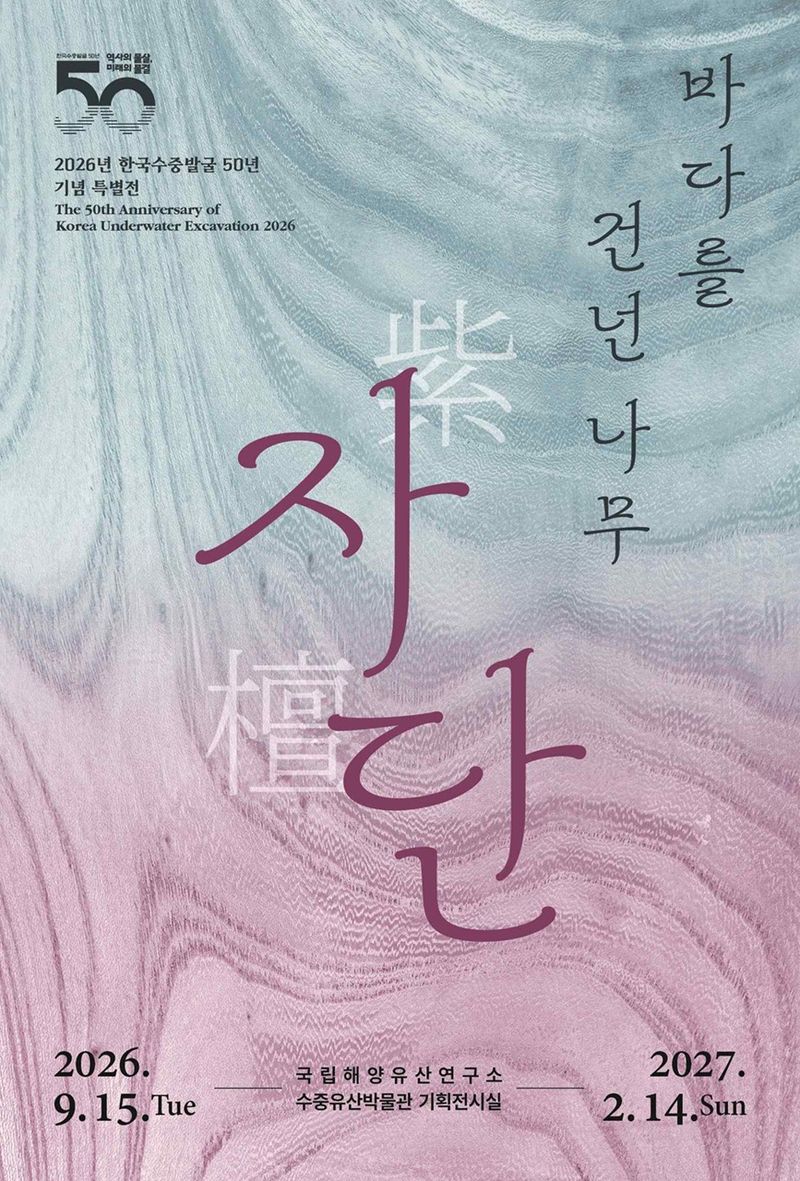
On the 16th, the 'Sandalwood from the Shinan ship and East Asian Maritime Exchange' international academic conference will be held at the institute's Social Education Center. Domestic and international researchers will discuss the species, origins, and distribution structure of sandalwood, as well as consumption patterns in Japan, through six presentations.
[email protected] Jang In-seo Reporter