'Wild Artists’ Day' Vividly Portrayed at Ulsan National Arts Festival Dokkaebi Nanjang
- Input
- 2026-09-14 16:02:41
- Updated
- 2026-09-14 16:02:41
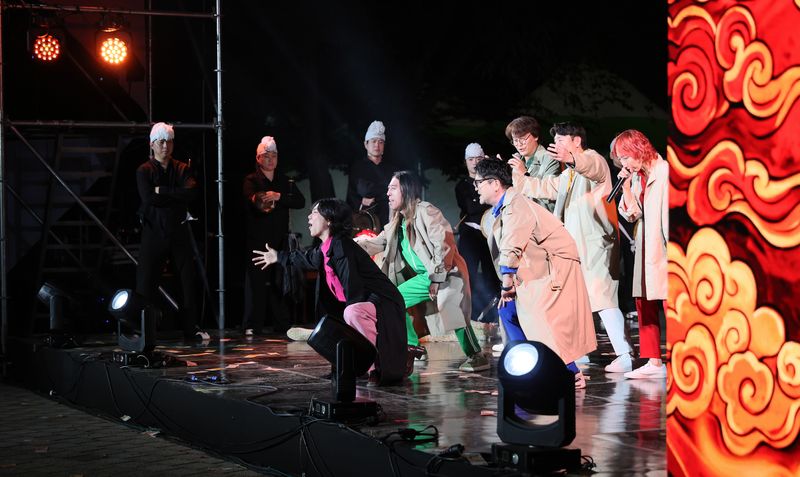
【Financial News Ulsan = Choi Su-sang】 The 22nd Ulsan National Arts Festival Dokkaebi Nanjang, an arts festival created jointly by Ulsan artists and residents, was held as a participatory event combining nature, history and art.
According to the Ulsan Federation of People's Arts on the 14th, this year's Dokkaebi Nanjang, held on the 12th in and around Seonbawi Park in Beomseo-eup, Ulju County, Ulsan, focused on the lives and creative spirit of “wild artists”—people who live by making their own way with untamed senses. The festival provided an opportunity to share with residents the concerns and creative energy of artists active in the local cultural and arts scene.
Along with a commemorative ceremony and a themed performance, performances in various genres—including traditional Korean music, dance, music, theater and martial arts—were presented. Invited performances, community cultural arts performances, a wild street parade and a self-powered wild flash mob followed, heightening the festival atmosphere.
In particular, “Wild Artists’ Day,” a themed performance directed by Park Gwang-ho and written by Seo Bo-ryeong, drew a strong response from the audience by bringing to the stage the “lives and creative spirit of artists,” the central theme of this year's festival.
Various other programs also attracted attention, including “The Neighborhood Dokkaebis’ Nanjang,” featuring eight community cultural arts teams; “The Story of Seonbawi” and “Wild Artists’ Street Gut” by the Traditional Korean Music Committee; and “Why We Sing” by the Music Committee.
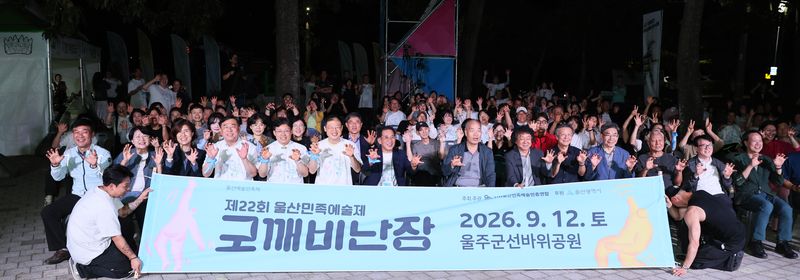
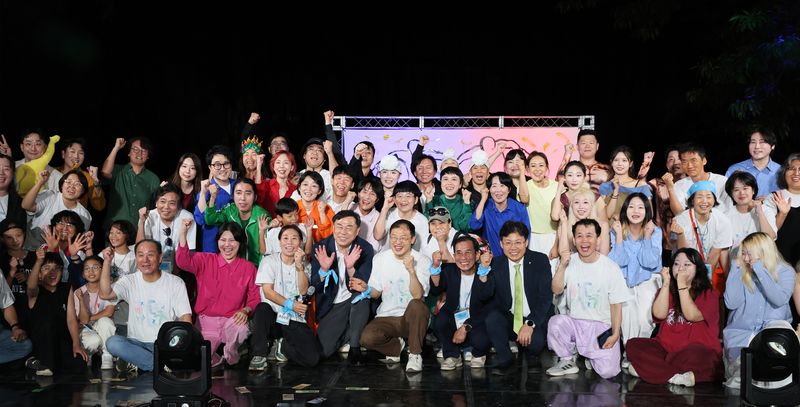
“Kkaesyullin,” which combined food with resident participation, added to the festival's enjoyment. Participants enjoyed both flavor and fun through hands-on food programs such as rice-cake making and self-serve bibimbap.
Another feature of this year's Dokkaebi Nanjang was its active use of Seonbawi Park's natural environment and Ulju's historical and cultural resources as festival content.
The “Lee Gwan-sul Road,” named after the historical dokkaebi figure, introduced residents to the life and history of Lee Gwan-sul, an independence activist from Ulju.
The festival also pursued “Zero Waste” and took environmental considerations into account. It used reusable containers and repurposed discarded boxes and banners to create festival content, while pursuing various measures to reduce waste generated during the event.
This year also saw the operation of the “Dokkaebi Nanjang Pop-up Store,” created to share the festival's 22-year history with residents. Official merchandise featuring traces of the “past dokkaebis” who had shaped Dokkaebi Nanjang over the previous 22 years was presented, allowing visitors to share the festival's history and memories. The event became an opportunity to introduce residents to the time and memories accumulated through Ulsan's local cultural and arts scene, moving beyond a one-off event.
Kim Gyo-hak, chairman of the Ulsan Federation of People's Arts, said, “We wanted to go beyond simply showcasing artworks and create a festival space together with residents, where they could experience nature, history and the environment through art.” He added, “By engaging with residents in Seonbawi Park, a new venue, we were able to discover new possibilities for Dokkaebi Nanjang.”
[email protected] Choi Su-sang Reporter