Gwangju Education Special Zone Receives an A Grade for the Second Consecutive Year; 20 Education Special Zones in Jeonnam Also Earn A Grades
- Input
- 2026-09-14 15:16:47
- Updated
- 2026-09-14 15:16:47
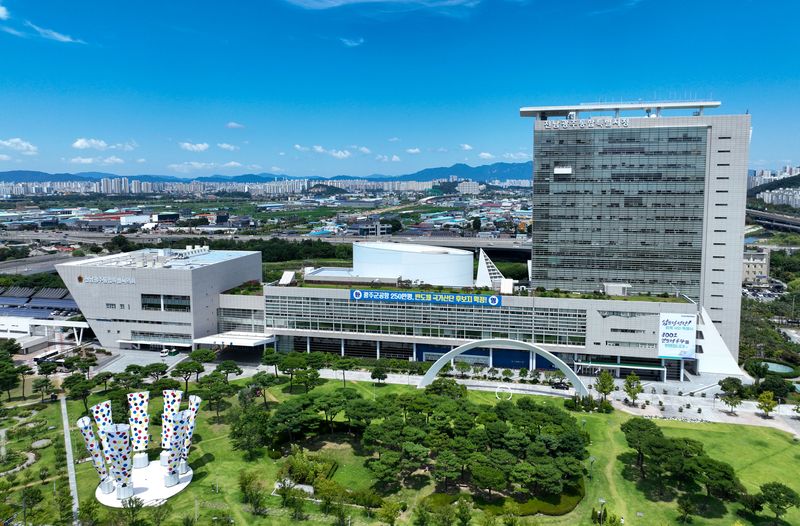
【Financial News Jeonnam-Gwangju = Reporter Hwang Tae-jong】Jeonnam-Gwangju Integrated Special City (Gwangju Metropolitan City) and the education office announced on the 14th that Gwangju received an A grade in the Ministry of Education’s “2025 Evaluation of the Operational Performance of Pilot Education-Special-Zone Areas,” earning the highest grade for the second consecutive year. They added that 20 education special zones in Jeonnam also received A grades in the evaluation.
Kim Gi-suk, director of the Gwangju Metropolitan City Office of Education’s Education and Youth Bureau, emphasized, “Gwangju’s achievement of the highest grade for two consecutive years in the pilot operation, along with securing an additional 1 billion won in project funding in the 2024 evaluation, was possible because communities across the integrated special city and the education office, autonomous districts, universities, and other local stakeholders joined forces and cooperated.”
According to the two organizations, the Ministry of Education and the Presidential Committee for the Era of Local Autonomy introduced the pilot Education Development Special Zone project for the first time in 2024 to overcome the risk of regional extinction by nurturing local talent through public education innovation and improving conditions for settlement. The project has been operated by providing up to 11 billion won in special grants annually. Starting this year, its name was changed to “pilot education-special-zone areas,” and the project is now being pursued under that designation. More than 90 metropolitan and basic local governments are currently participating in 56 special zones nationwide.
In this evaluation, the Gwangju Education Special Zone received favorable assessments for innovations in secondary vocational education pursued through cooperation between Jeonnam-Gwangju Integrated Special City and the education office, as well as for the establishment and operation of a public-private-academic communication and cooperation governance system. The “10 a.m. start-time program for parents of elementary school students,” which expanded parents’ opportunities to care for their children, was also highly rated.
Kim Gi-suk, director of the Education and Youth Bureau, stated, “We will do our utmost to create an education city where raising children is easy and where people want to stay by further developing policies with a strong impact on people’s daily lives, such as the ‘10 a.m. start-time program for parents of elementary school students,’ which Gwangju Metropolitan City introduced and helped expand nationwide.”
Meanwhile, Gwangju Metropolitan City is making all-out efforts to be designated an “Education Innovation Leading Region,” a follow-up project to the “pilot education-special-zone areas” program, which ends this year. The “Education Innovation Leading Region” program supports the development of local talent and settlement by creating education innovation models suited to local conditions through cooperation among local governments and regional universities. Gwangju is preparing to apply under Type 2, which is open to metropolitan and special cities, while in Jeonnam, 18 cities and counties, mainly in population-decline areas, are preparing applications under Types 1 and 2.
[email protected] Hwang Tae-jong Reporter