‘Connecting Citizens’ Daily Lives’... Suncheon City to Build a People-Centered Transportation City
- Input
- 2026-09-14 13:49:32
- Updated
- 2026-09-14 13:49:32
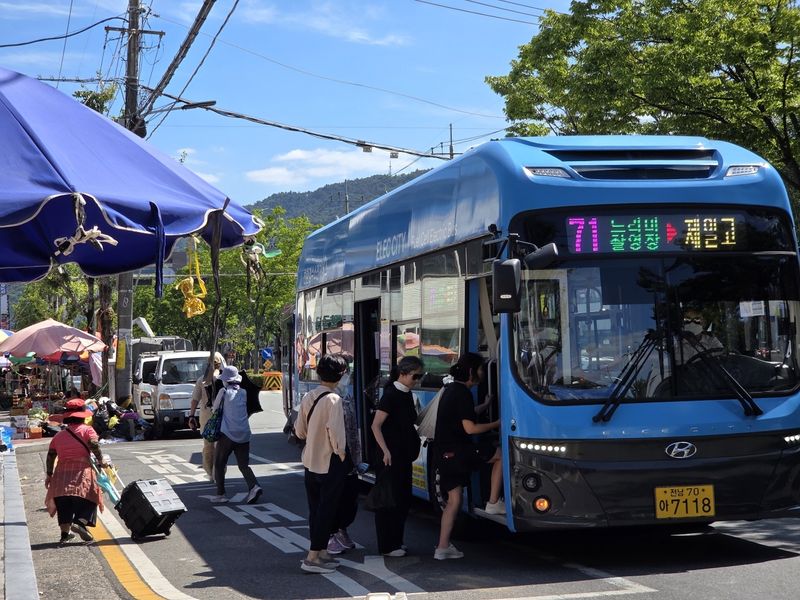
【Financial News Suncheon = Hwang Tae-jong】Suncheon City is stepping up efforts to build a ‘people-centered transportation city’ that connects citizens’ daily lives.
To this end, the city will expand metropolitan transportation, provide citizen-oriented transportation services, and implement eco-friendly transportation policies to achieve carbon neutrality by 2050.
A Suncheon City official emphasized, "We will create a transportation environment in which everyone can travel conveniently," adding, "We will continue expanding customized, citizen-centered transportation services in line with changing living areas."
Suncheon City first launched ALL-TA Route 3002, a new metropolitan express bus service between Suncheon and Yeosu, as part of a new policy for the ninth popularly elected administration on the first day of this month. The existing Route 960 between Suncheon and Yeosu stopped at 69 stations and took approximately 85 minutes one way. The new service reduces the number of major stops to 18 and cuts the travel time to approximately 70 minutes. Suncheon City plans to continuously monitor passenger numbers, boarding and alighting demand at each stop, operating times, and citizens’ opinions. Based on the results, it will establish an efficient metropolitan transportation system that reflects citizens’ transportation needs.
Suncheon City is also significantly strengthening customized support to guarantee mobility rights for transportation-vulnerable people, including those with walking disabilities and residents of areas underserved by public transportation.
The city currently operates 26 regional linked taxis for people with disabilities equipped with wheelchair-accessible facilities, exceeding the legally required number. It has also increased the number of voucher taxis for transportation-vulnerable people who do not use wheelchairs from 40 to 70. In addition, the city plans to continue providing courtesy and safety training for drivers to improve service quality.
The city also operates 28 ‘Majung Taxi’ vehicles in 68 villages across 11 eup, myeon, and dong areas for residents of remote villages without city bus service. Residents can use the service up to six times a month for 100 won per person. The service is helping eliminate transportation blind spots by improving access to medical, daily-life, and administrative services.
Suncheon City will add 19 low-floor buses this year, bringing the total to 65, to improve public transportation access for transportation-vulnerable people. This exceeds the legal standard, and the buses currently operate on six routes: Route 52, Route 59, Route 71, Route 88, Route 100, and Route 101.
Suncheon City is also working to expand eco-friendly transportation to achieve carbon neutrality by 2050. It plans to increase the number of eco-friendly low-floor buses, including electric and hydrogen buses, and promote the use of public bicycles to encourage environmentally friendly travel in daily life. This year’s targets are 15 million city bus rides, the introduction of 20 eco-friendly city buses, and 350,000 public bicycle rides.
[email protected] Hwang Tae-jong Reporter