Taiwanese Media: "TSMC to Dramatically Increase Advanced-Process Production Next Year"—Sales Expected to Hit a Record High
- Input
- 2026-09-14 12:44:20
- Updated
- 2026-09-14 12:44:20
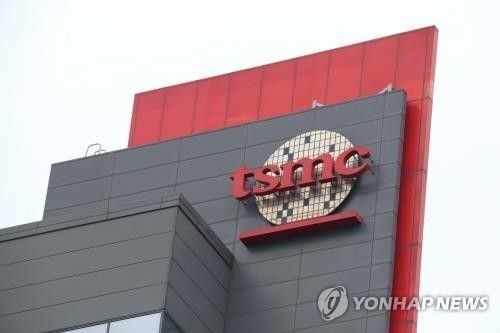
[Financial News] Taiwan Semiconductor Manufacturing Company Limited (TSMC), the world's largest foundry, is reportedly planning a major increase in advanced-process production starting next year.
Taiwanese media, including the United Daily News, reported on the 14th, citing sources, that TSMC has begun expanding production of 2nm and 3nm process products, driven by surging global demand for artificial intelligence (AI) chips. The sources said TSMC had disclosed its targets for increasing 2nm and 3nm production next year to the semiconductor supply chain.
The sources said monthly production of the most advanced 2nm process products is expected to rise from 90,000 wafers at the end of this year to 110,000 wafers by mid-next year, an increase of about 22%.
They added that monthly production of the highly sought-after 3nm process is targeted to increase from 120,000–130,000 wafers at the end of last year to 180,000 wafers at the end of this year and 210,000 wafers by mid-next year, an increase of more than 16%.
This means monthly 3nm production will increase by about 70% over the 18 months from the end of 2025 to mid-2027, the sources explained.
The sources forecast that TSMC's sales next year will also reach a record high as the company increases capital spending to expand production of its advanced 2nm and 3nm processes.
Taiwan, Arizona and Japan to each receive an additional 3nm wafer fab to boost 3nm production
According to the sources, TSMC is building an additional 3nm wafer fab in each of Taiwan, Arizona and Japan to meet market demand for 3nm process products. It is also converting some 5nm equipment lines to 3nm production.
The source said that, following the successful development of A16 Technology chips at the angstrom (Å, one ten-billionth of a meter) level, TSMC is working on A14 Technology, A13 process and A12 Technology development. To support this effort, it is cooperating with the world's largest lithography equipment maker, ASML Holding N.V. (ASML), to introduce 12-inch photomasks.
TSMC declined to comment directly the previous day, saying that statements about its production capacity should be based on the company's official announcements.
Earlier, at its second-quarter earnings briefing in mid-July, TSMC said demand for AI chips made using advanced processes was very strong. It added that demand from major customers and cloud service providers continued to grow, giving the company visibility into orders from 2029 through 2030.
At the briefing, TSMC raised its annual capital expenditure forecast from the previous level of around $50 billion to $60 billion–$64 billion, or approximately 80.6 trillion–86 trillion won. The company said about 70%–80% of the spending would be allocated to advanced processes.
Meanwhile, Taiwanese media reported that TSMC plans to expand the production capacity of its Chiayi 7th fab (AP7) to meet demand for Chip on Wafer on Substrate (CoWoS), an advanced packaging technology, from AI semiconductor leader NVIDIA Corporation and others. TSMC also plans to establish advanced packaging capabilities in Arizona and increase monthly production to 260,000 wafers by the end of 2028.
[email protected] International Affairs Specialist Lee Seok-woo Reporter