Supreme Court: “Private-School Professors Have the Right to Have Lawyers Present During Disciplinary Proceedings; Refusal Invalidates Discipline”
- Input
- 2026-09-14 13:57:02
- Updated
- 2026-09-14 13:57:02
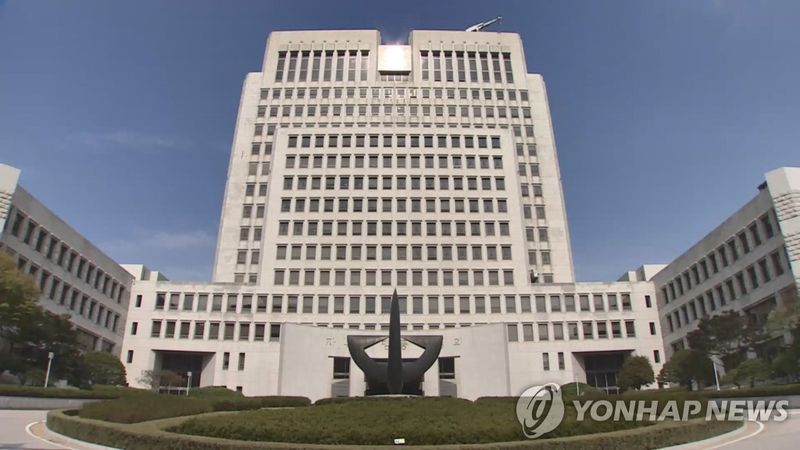
According to legal sources on the 14th, the Supreme Court Third Division, with Justice Lee Heung-gu of the Supreme Court of Korea as the presiding justice, recently overturned a lower court ruling against A, a private university associate professor, in an appeal hearing for a lawsuit against the Appeal Commission for Educators. The case was remanded last month to the Seoul High Court.
A was dismissed by the university’s faculty disciplinary committee in 2022 after being found to have committed sexual misconduct—including sexual harassment and forcible molestation—against graduate student B on three occasions in 2021. After A’s appeal was rejected, A filed an administrative lawsuit.
The central issue was not whether the grounds for discipline existed, but whether A’s procedural right of defense had been guaranteed during the disciplinary process. A asked to attend the faculty disciplinary committee’s proceedings with retained counsel and to make statements while counsel was present, but the request was denied. The committee instead instructed the lawyer to wait in a room near the hearing venue and said A could consult with the lawyer before making statements if necessary. In practice, however, A did not receive advice or consultation from the lawyer during the proceedings.
The trial court and appellate court rejected A’s arguments. They reasoned that the relationship between a school foundation and a private-school teacher is governed by private law, meaning disciplinary action against private-school teachers does not constitute an administrative disposition subject to the Administrative Procedures Act. They also said that even if the right to assistance from counsel were recognized, A had already submitted a written opinion through the lawyer, and the statements made during the proceedings did not differ from that opinion. Therefore, they concluded that A’s right of defense had not been substantively violated.
The Supreme Court of Korea reached a different conclusion. The court stated, “The level of procedural rights guaranteed to private-school teachers during disciplinary proceedings must also be protected so that it can correspond to the level guaranteed to public-school teachers.” It explained that the Act on the Status of Teachers uniformly regulates appeal procedures for private-school and public-school teachers, reflecting an intent to guarantee the status of private-school teachers at a level corresponding to that of public-school teachers.
The court further held that a lawyer’s presence at a faculty disciplinary committee meeting and the lawyer’s ability to state necessary opinions constitute essential aspects of exercising the right of defense. Accordingly, an employer may not refuse such a request absent special circumstances. The court added that disciplinary action taken after denying the request “contains a serious procedural defect because it was carried out without substantively guaranteeing the right of defense,” and is therefore generally invalid. It found that the lower court had misunderstood the legal principles governing requests for counsel’s presence and statements.
The case was referred to the Grand Bench in May, went through two hearings, and was then returned to a division for judgment.
[email protected] Kim Dong-gyu Reporter