In the Age of AI, Who Sets the Rules of Digital Society? [New Book]
- Input
- 2026-09-14 11:47:50
- Updated
- 2026-09-14 11:47:50
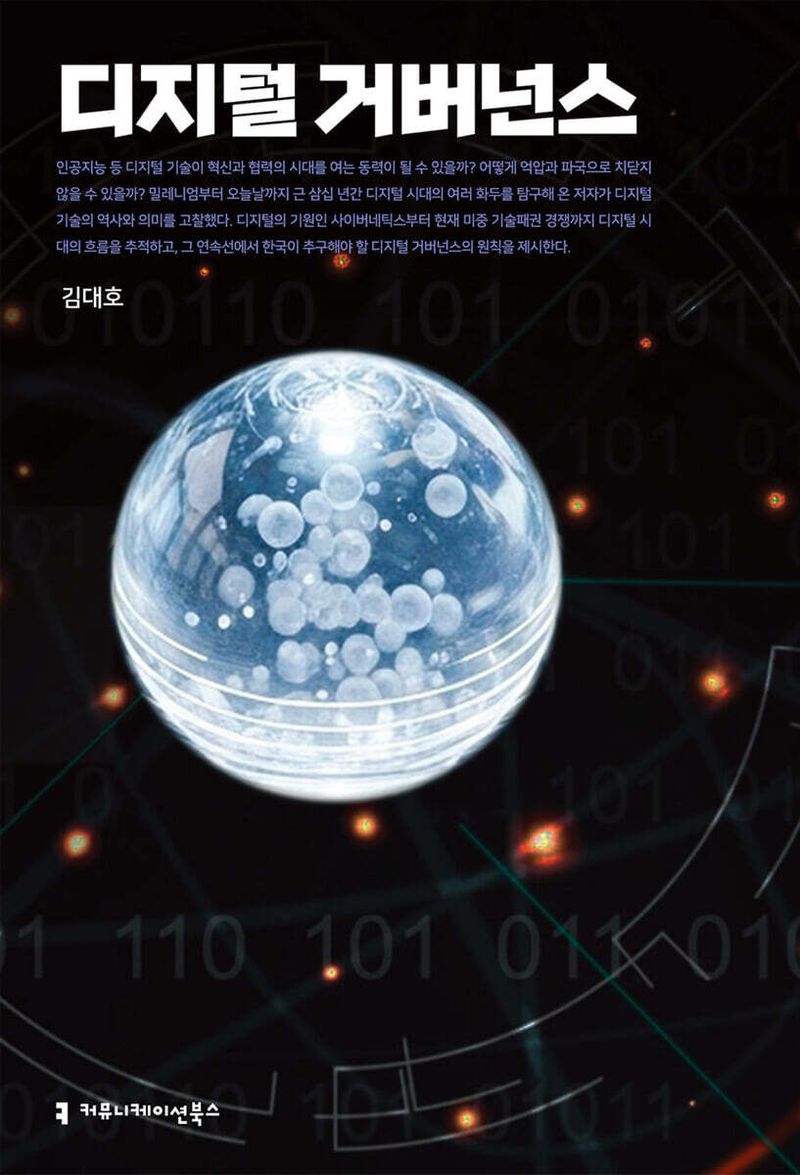
The book begins with technology’s dual nature. The author argues that digital technology can improve access to information and enrich people’s lives, while also intensifying the concentration of ownership and widening disparities in rewards. He also examines the possibility of new forms of control and conflicts between countries, focusing on how society should manage technology’s benefits and risks.
The book traces the development of digital technology and related ideas, from Cybernetics in the 1940s to today’s competition between the United States and China for technological hegemony. It examines the relationship between technology and society through Cybernetics, which studies the principles governing control and communication between humans and machines.
The book is divided into five parts: “Control,” “Communication,” “Information,” “World” and “Choice.” Beginning with the values and ideas through which digital technology is viewed, it examines democracy, fake news and changes in the media. It then explores labor and regulation on platforms, data sovereignty, cryptocurrency and fintech, examining how the digital economy operates.
The book also broadens its focus to the international order. It addresses the competition for technological hegemony and technology alliances surrounding semiconductors, AI and quantum information. Readers can examine everything within a single framework, from platform regulations that shape companies’ business environments to countries’ strategic choices.
The author argues, "A governance perspective is needed—one in which governments, businesses, civil society and global stakeholders work together to shape the direction of digital society." In the final part, he proposes freedom, sovereignty, cooperation and trust as the principles South Korea should pursue. He anticipates that South Korea can create a global model for digital society based on its technological and cultural assets, as well as its norms, institutions and capacity for cooperation.
Professor Kim earned a doctorate in communications from the University of Birmingham. He has served as a senior researcher at the Broadcasting Commission and as a research fellow at the Korea Information Society Development Institute. His other books include *The Global Competition for AI Hegemony* and *Media Governance in Korea*.
[email protected] Jang In-seo Reporter