Veterans' compensation for civil servants who died in the line of duty will be brought forward, and survivor pensions for dangerous duties will be raised by 4 percentage points
- Input
- 2026-09-14 12:00:00
- Updated
- 2026-09-14 12:00:00
[Financial News] Cases where the bereaved family of a public official who died in the line of duty is delayed in receiving compensation due to late registration for veterans' benefits will be reduced. The payout rate for survivor pensions for public officials who died in the line of duty while performing hazardous duties will increase from 43–63% of the standard monthly income to 47–67%, and the minimum death condolence payment for public officials who died in the line of duty will rise from 5.95 million won to 11.9 million won as of this year.
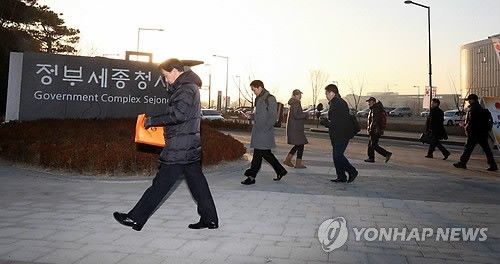
Kim Sung-hoon, Deputy Head of the Ministry of Personnel Management, held a briefing on the 'Comprehensive Plan for Improving the Civil Servant Accident Compensation System' at Government Complex Sejong on the 14th and said, "This measure aims to strengthen respect and compensation and secure the reliability of the system by actively considering the nature of public sacrifice in cases where an accident occurs while performing duties for the nation and the people."
This comprehensive plan includes measures to expand support beyond compensation following an accident, ranging from prevention to rehabilitation and return to work.
First, the point at which veterans' compensation rights arise for the bereaved families of public officials who died in the line of duty will be brought forward. Currently, in addition to claiming survivor benefits from the Ministry of Personnel Management, applicants must apply for veterans' registration with the Ministry of Patriots and Veterans Affairs (MPVA). Going forward, relevant laws will be amended so that the right to compensation arises from the earlier of the date of claiming survivor benefits and the date of applying for veterans' registration.
The survivor pension for public officials who died in the line of duty while performing hazardous duties will be increased by 4 percentage points, from 43–63% of the standard monthly income to 47–67%. The increased payout rates are scheduled to apply following the amendment of the law. The Ministry of Personnel Management estimated the additional budget required for this at approximately 400 million won.
Deputy Head Kim explained, "The 4-percentage-point increase was made in consideration of the level of survivor benefits under industrial accident insurance applicable to private-sector workers," adding, "The basic amount of the survivor pension under the Industrial Accident Compensation Insurance Act is set at 47% of the annual basic benefit amount."
Compensation for the bereaved families of junior civil servants with low standard monthly incomes will also be strengthened. The minimum death condolence payment for death in the line of duty will be doubled from 5.95 million won as of this year to 11.9 million won. Tailored support, such as psychological counseling, will also be provided to bereaved families according to their stage of recovery.
Support for the rehabilitation and return to duty of public officials injured in the line of duty will also be expanded. The eligibility and duration of rehabilitation benefits will be broadened, and rehabilitation exercise allowances will be increased from 300,000 won to a maximum of 600,000 won. If an injury occurs while performing hazardous duties, public officials will be eligible for up to eight years of leave for work-related illness, regardless of their job type. After long-term treatment, they will be allowed to return to normal work in stages by adjusting their workplace or scope of duties.
A new "emergency duty suspension" system will also be established to protect public officials facing urgent situations, such as the risk of suicide. The head of the relevant department or the health and safety officer may decide on the suspension of duties, and the plan is to allow protection requests based on the individual's self-assessment or when colleagues detect abnormal signs. Emergency duty suspension will be operated as part of the requirements for sick leave.
The Ministry of Personnel Management issued a legislative notice on the enactment of the 'Regulations on the Prevention of Disasters Among Public Officials,' which includes provisions for emergency duty suspension. It also plans to make it mandatory for each agency to designate a disaster prevention officer and establish health and safety management regulations.
[email protected] Lee Bo-mi Reporter