From a Three-Pyeong Shop to the World: Walnut Pastries Move Beyond Small-Capital Startups to Overseas Expansion
- Input
- 2026-09-14 11:00:21
- Updated
- 2026-09-14 11:00:21
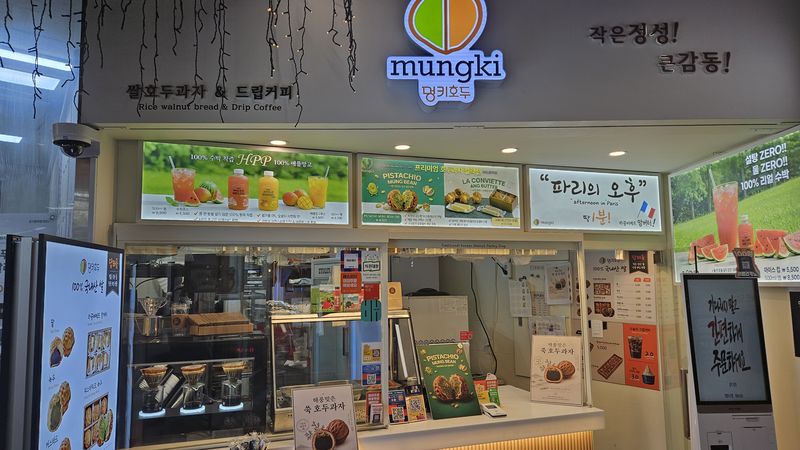
[Financial News] #. Meongki Hodu began in a small shop measuring about 9.9 square meters (three pyeong) near Gangnam Station in Seoul. In June, it signed a master-franchise (MF) agreement with a local company in the Philippines, marking its entry into overseas markets. The brand is reportedly in talks with other Southeast Asian countries about further expansion. It is a notable example of walnut pastries, once limited to a domestic startup item, showing potential to enter overseas markets as part of K-food.Walnut pastries, a traditional snack that has long been popular, are drawing attention as a new niche item in the startup market. As brands continue expanding beyond South Korea into global markets, the snack is also growing into a part of K-food.
According to industry sources on the 14th, Hakhwa Halmeoni Hodu-gwaja in Cheonan is considered the leading traditional walnut-pastry brand, having maintained its legacy since 1934.
The brand has preserved its traditional flavor with a soft red bean filling made without artificial sweeteners. Cheonan Yennal Hodu-gwaja is known for a preparation method that differs from conventional walnut pastries, combining a fried cooking method with a sweet-red-bean-bun style. It also began exporting to the U.S. market in 2022.
Recently, brands that reinterpret walnut pastries as modern desserts have become increasingly prominent. Meongki Hodu is differentiating itself with premium rice-flour walnut pastries made with 100% domestically produced rice flour and butter.
The brand has further strengthened its distinctive character by using regional specialties such as Geomundo Haepoong mugwort as ingredients. It has attracted attention by expanding walnut pastries beyond their image as a traditional snack and positioning them as a dessert product. After entering the Philippine market this year, it is now targeting other Southeast Asian countries.
Hodam Rice Hodu-gwaja emphasizes its pure rice-flour dough and differentiated ingredients, while Momodang Hodu-gwaja is targeting the gift and return-gift markets with packaging aimed at younger consumers and a variety of toppings.
Competition among brands targeting millennials and Generation Z is also notable. Bokhodu has expanded walnut pastries into giftable desserts with its red-bean-and-butter walnut pastries, while Soopssok Hodu emphasizes a crisp texture by using pastry dough. Self-Baked Seon Myeong-hui Hodu-gwaja uses gluten-free rice flour, and Attimong offers products made with rice flour, cream cheese, and sweet-potato filling, pursuing both healthfulness and flavor.
Startup models are also becoming more diverse. COCOHODO has expanded its business to about 150 stores nationwide, based on small urban shops, while targeting the return-gift market. ANGHODU has broadened its operations through a café format that also sells coffee and bingsu, and KIMHODU has expanded its product lineup with topped items shaped like doughnuts and bagels.
Industry sources cited as a strength the fact that walnut pastries can be sold in relatively small spaces while supporting a wide range of concepts depending on their shape, ingredients, packaging, and sales format.
An industry official said, "As examples emerge of walnut pastries entering overseas markets based on product competitiveness proven in South Korea, the snack is showing new potential for K-food. The competition among brands that preserve tradition while constantly pursuing change is expected to become even more intense."
[email protected] Reporter Kim Seo-yeon Reporter