"Don't Be Happy Just Because Your Blood Sugar Has Dropped"—Diabetes Patients Warned of Hypoglycemia After Drinking [Health Talk]
- Input
- 2026-09-14 10:16:52
- Updated
- 2026-09-14 10:16:52
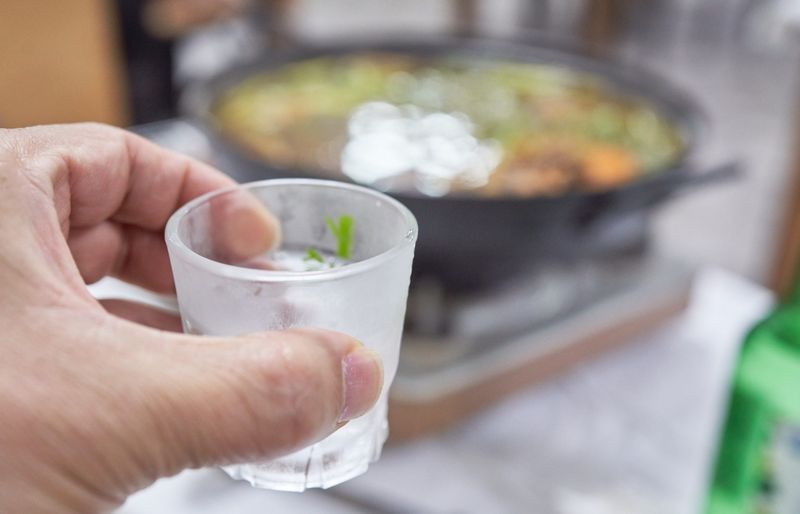
[Financial News] If blood sugar levels are low the day after drinking, people may think, "Has my diabetes improved?" However, specialists warn that this may be a sign of hypoglycemia rather than an improvement.
Dasarang Central Hospital, designated by the Ministry of Health and Welfare (MOHW) as a specialist hospital for alcohol-related disorders, analyzed the major medical comorbidities of 254 inpatients and discharged patients during June 2026. Hypertension was the most common condition, affecting 101 patients (39.8%), followed by diabetes in 48 patients (18.9%). Various other medical comorbidities, including liver disease, were also identified. The findings highlight the need to address patients' overall physical health, not just their drinking problems, during treatment for alcohol use disorder.
Jeon Yong-jun, director of internal medicine at Dasarang Central Hospital, explained, "You should not conclude that your diabetes has improved simply because your blood sugar has fallen the day after drinking. Blood sugar management is not about lowering the numbers unconditionally; it is about maintaining a target range suited to the patient while avoiding hypoglycemia."
Alcohol suppresses liver function, increasing the risk of hypoglycemia
The liver maintains blood sugar even when a person is not eating by using stored energy or producing new glucose. However, the liver's glucose production may be suppressed while it breaks down alcohol. Drinking on an empty stomach or without eating enough can make it difficult to maintain blood sugar, increasing the risk of hypoglycemia.
One concern is that symptoms of hypoglycemia can easily be mistaken for intoxication or a hangover. Hypoglycemia may cause cold sweats, trembling hands, palpitations, and dizziness. In severe cases, it can lead to slurred speech, unsteady walking, drowsiness, confusion, and reduced consciousness. Rather than dismissing these symptoms as a normal reaction to drinking, it is important to check actual blood sugar levels.
Jeon emphasized, "Patients who use insulin or take sulfonylurea medications that stimulate insulin secretion may face a higher risk of hypoglycemia after drinking. Hypoglycemia can occur not only immediately after drinking but also several hours later or the following day, so patients should carefully monitor changes in their blood sugar after drinking, taking their medications and eating status into account."
Review the treatment plan if hypoglycemia recurs even with normal HbA1c levels
A person's usual blood sugar control should not be assessed based solely on a single fasting blood glucose measurement. Glycated hemoglobin, or HbA1c, which reflects average blood sugar levels over approximately three months, should be reviewed together with regular blood sugar records. Even if HbA1c is within the target range, repeated episodes of hypoglycemia warrant a review of the treatment plan in consultation with a medical professional.
Jeon advised, "Diabetes treatment should be planned by considering the patient's overall condition, including not only blood sugar levels but also eating patterns, medications, comorbidities, and previous experiences with hypoglycemia. For patients whose blood sugar control repeatedly becomes unstable because of alcohol, it is important to consult medical professionals, adopt lifestyle improvements including abstinence from alcohol, and manage comorbidities together."
[email protected] Medical Specialist Jeong Myeong-jin Reporter