Samsung Electronics, SK hynix Reject KEPCO’s Proposal to Prepay KRW 25 Trillion in Electricity Bills
- Input
- 2026-09-14 08:39:32
- Updated
- 2026-09-14 08:39:32
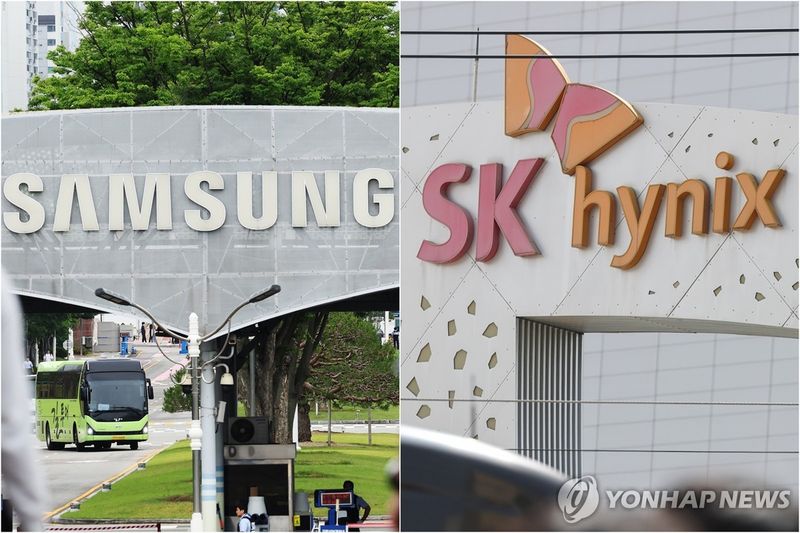
[Financial News] Samsung Electronics and SK hynix have reportedly decided not to accept Korea Electric Power Corporation’s (KEPCO) proposal to prepay five years of electricity bills totaling KRW 25 trillion.
According to industry sources on the 14th, Samsung Electronics and SK hynix reviewed KEPCO’s proposal internally before determining that it would be difficult to accept. They reportedly conveyed their position to KEPCO.
Although the semiconductor industry has enjoyed an unprecedented boom since the second half of last year, the companies appear to have judged that making the payment in advance would pose a significant burden, given the uncertainty over whether current earnings trends will continue for the next five years.
Paying a large electricity bill all at once could also make it more difficult to formulate medium- and long-term management strategies.
Some observers suggested that prepaying electricity bills could help build power infrastructure for the Yongin and Honam semiconductor clusters. However, the two companies appear to have opted first to reduce management uncertainty.
Earlier, KEPCO proposed that Samsung Electronics and SK hynix prepay KRW 20 trillion and KRW 5 trillion, respectively, in electricity bills. Based on the electricity bills the two companies paid last year, the amount is equivalent to approximately five years of payments.
KEPCO reportedly also explained that it planned to use the prepaid electricity charges first to expand the national power grid.
KEPCO is also known to have proposed applying interest at a rate higher than the yield on two-year Korean Treasury bonds and deducting the interest from electricity bills payable every six months.
KEPCO expected that, if the plan were finalized, it could reduce the burden of issuing new bonds while securing funds needed for power-grid investment.
As of the end of June, KEPCO’s total debt stood at KRW 210.7 trillion, with daily interest expenses alone reaching KRW 11.5 billion.
A government exception that expanded KEPCO’s bond issuance limit from twice the combined amount of its capital and reserves to as much as five times that amount is also scheduled to expire at the end of next year.
[email protected] Park Ji-yeon Reporter