Ministry of Unification (MOU) Pushes to Provide Medical Equipment to North Korean Hospitals... Ministry of Foreign Affairs (MOFA) Cuts Denuclearization Budget
- Input
- 2026-09-14 07:59:30
- Updated
- 2026-09-14 07:59:30
In addition, a significant portion of the Ministry of Foreign Affairs' budget related to promoting North Korean denuclearization and human rights has been cut. The Kim Jong-un regime has pushed back against the international community's criticism regarding North Korea's denuclearization and human rights issues.
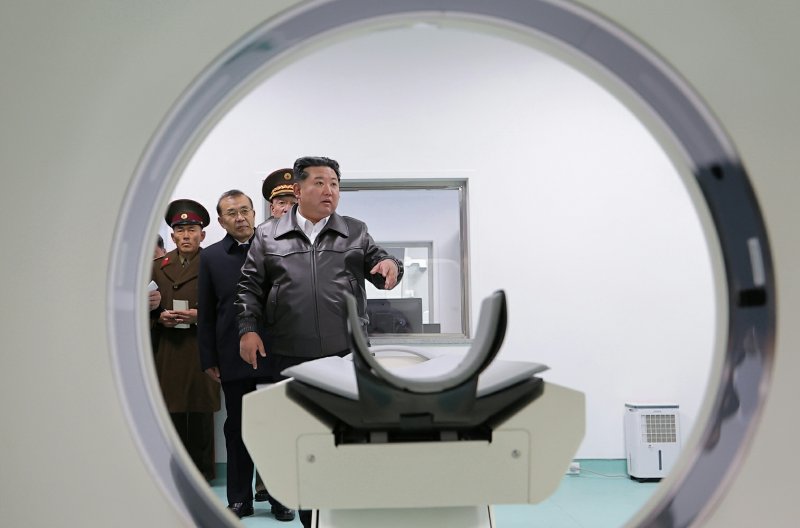
According to data submitted by the Ministry of Unification to Rep. Kim Dae-sik of the People Power Party, a member of the National Assembly's Foreign Affairs and Unification Committee, on the 14th, the government has decided to provide 166 types of medical equipment to the Kangdong Hospital in Pyongyang, North Korea, as part of the 'Healthcare Cooperation Package' project, which supports the modernization of local hospitals in North Korea.
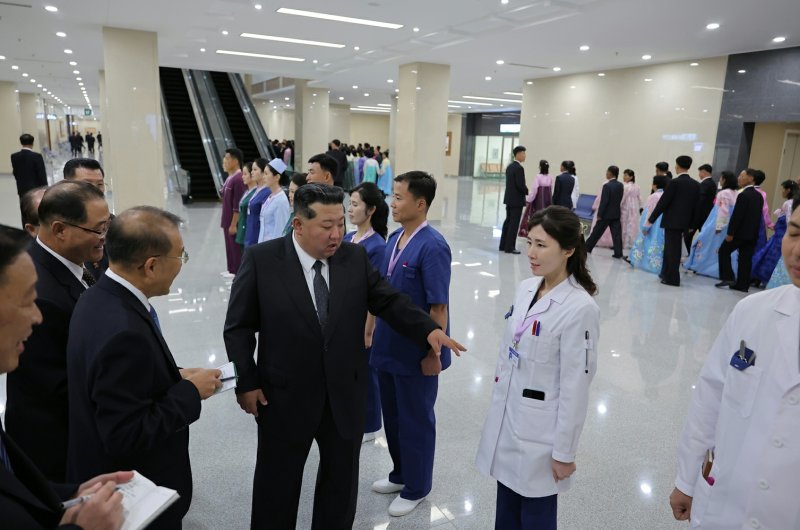
The Kangdong County Hospital was completed last November as part of the Kim Jong Un regime's 'Local Development 20x10 Policy,' which aims to build modern local industrial factories in 20 counties every year to advance the basic material and cultural living standards of the people nationwide by one level within 10 years.
However, an exemption from Paragraph 7 of UN Security Council Resolution 2397 on sanctions against North Korea, adopted in December 2017, is required.
In this regard, it is reported that the Ministry of Unification obtained prior approval from the UN Security Council’s Sanctions Committee on North Korea for a sanctions exemption regarding the provision of humanitarian medical equipment. It appears that the funds will be sourced from the budget for "other economic cooperation projects" within the Inter-Korean Cooperation Fund, which is exempt from the obligation to disclose specific uses.
The People Power Party maintains the position that the Ministry of Unification's aid to North Korea is inappropriate amidst North Korea's successive missile provocations. Their stance is that a submissive policy toward North Korea that prioritizes aid while North Korea continues its hostile stance toward the South must be re-examined.
In addition, according to the Ministry of Foreign Affairs' project explanation materials for the 2027 budget proposal submitted by the government to the National Assembly, the budget for the 'Strengthening International Cooperation for the Promotion of North Korean Denuclearization' project was reduced by 20% from 919 million won in 2026 to 735 million won next year.
The purpose of this project is to lay the groundwork for resolving the North Korean nuclear issue through consultation with the international community, create international conditions favorable to the denuclearization of the Korean Peninsula, prepare for future denuclearization, and block North Korea's illegal financing of nuclear and missile programs.
Specifically, the budget for consultations on the North Korean nuclear issue decreased by 14.5%, the budget for promoting North Korea's denuclearization and verifying its implementation decreased by 35.8%, and the budget for strengthening international cooperation to block North Korea's illegal financing activities decreased by 35.8%.
The budget for the 'Promotion of Peace Structure Establishment and Unification Diplomacy on the Korean Peninsula' project also decreased by 20%, from 574 million won in 2026 to 459 million won next year.
This includes enhancing the international community's understanding of the situation on the Korean Peninsula, expanding support and consensus on North Korea policy, and raising international awareness of North Korean human rights and humanitarian issues, but these have all become targets for successive cuts. The budget for the 'National Community Overseas Cooperation Project,' which includes the protection and repatriation of North Korean defectors, also decreased by 20.9% from 1.496 billion won in 2026 to 1.183 billion won next year.
[email protected] Kim Kyung-soo Reporter