[Editorial] Manage Exchange-Rate Volatility Rigorously After a 200-Won Swing in Two Months
- Input
- 2026-09-13 19:18:26
- Updated
- 2026-09-13 19:18:26
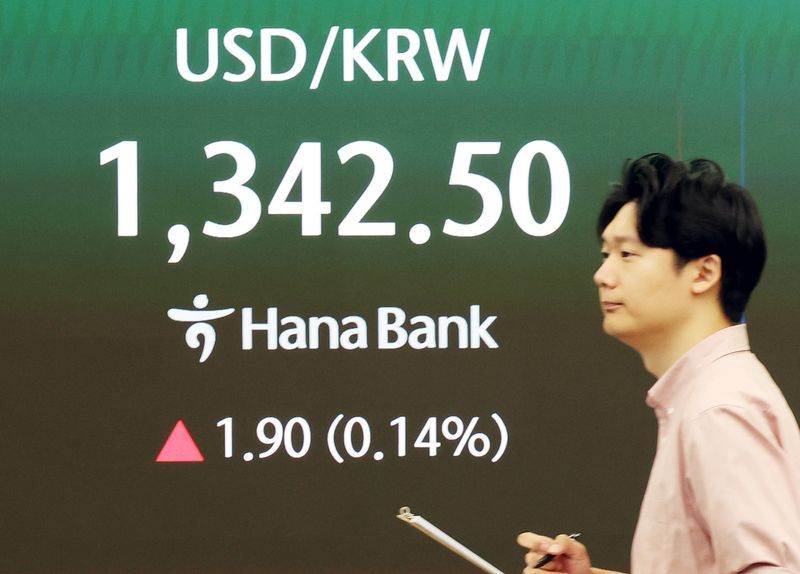
The reasons for the exchange rate’s wild swings are complex. A major factor is that companies converted large amounts of dollars accumulated through strong semiconductor exports into won. Semiconductor companies sold substantial amounts of dollars to secure won needed for corporate taxes and domestic investment. External factors—including uncertainty over the United States’ interest-rate path, a weaker dollar, fluctuations in the yen, and rapidly changing conditions in the Middle East—also amplified exchange-rate volatility. Some analysts say the decline accelerated as exporters joined in, selling dollars before the exchange rate fell further.
The appreciation of the won itself cannot be viewed negatively. It lowers import prices for crude oil and raw materials, easing companies’ cost burdens and inflationary pressure. It also reduces households’ foreign-currency expenses for overseas study and travel. Conversely, a weaker won can improve exporters’ price competitiveness and their profits when converted into won. Since the interests of economic players differ, it is impossible to define one particular exchange-rate level as ideal.
The problem is the excessive scale and speed of the fluctuations. For a company that exports $1 million worth of goods and receives payment two months later, a 200-won drop in the exchange rate per dollar during that period would reduce the won value of its export proceeds by 200 million won. A company with a low profit margin could end up with nothing left even after making the export. Importers face a similar situation. If the exchange rate surges, the cost of importing raw materials and dollar-denominated payments rises sharply, greatly increasing cost and financing burdens.
Large companies can at least reduce much of their risk through forward contracts, currency options, and natural hedging via overseas production and procurement. Small and medium-sized companies, however, often have few options because they lack specialized personnel and financial resources. As exchange-rate volatility increases, companies become more hesitant to sign export contracts or invest in facilities, ultimately leading to weaker investment and employment.
The impact of exchange-rate volatility does not stop at the real economy. Sharp fluctuations increase foreign investors’ currency risk and heighten uncertainty surrounding investments in domestic stocks and bonds. Sudden inflows and outflows of foreign capital can, in turn, become a factor that destabilizes the exchange rate. This is why exchange-rate predictability matters to both the real economy and financial markets.
The government must swiftly prepare sophisticated market-stabilization measures. It should focus its policy capabilities on preventing excessive market concentration and improving predictability. If speculative trading or one-sided supply-and-demand imbalances cause the exchange rate to move sharply, market-stabilization measures should be activated immediately to curb abrupt movements.
Fundamentally, the foreign-exchange market’s resilience must be strengthened. In line with the size of the economy, the market should expand its range of participants and liquidity so that a few large orders cannot cause major exchange-rate swings. At the same time, support for smaller exporting companies’ foreign-exchange hedging—including foreign-exchange fluctuation insurance—should be expanded to reduce the impact of sudden rate movements. Improving exchange-rate predictability is the way to protect corporate competitiveness and investment while maintaining confidence in financial markets.