"China Warns Xi Jinping May Postpone U.S. Visit if Taiwan Arms Sales Approved"—Japanese Media
- Input
- 2026-09-13 15:28:16
- Updated
- 2026-09-13 15:28:16
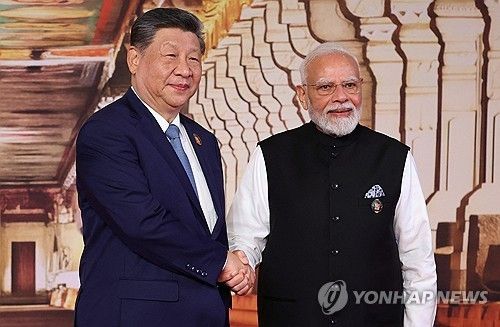
[Financial News] China has notified the United States that it may postpone President Xi Jinping's visit to the country, scheduled for later this month, if Washington approves arms sales to Taiwan, Kyodo News reported on the 12th (local time), citing multiple sources familiar with China-U.S. relations.
According to the report, China and the United States are finalizing arrangements for a summit between Xi Jinping and President Donald Trump, scheduled for the 24th. Kyodo News reported that China, which has yet to officially announce Xi Jinping's visit to the United States, appears wary of Trump's unpredictable words and actions.
The sources said China regards the Taiwan issue as a "red line" in China-U.S. relations. In particular, Beijing has warned that U.S. defense support for Taiwan, including arms sales, could affect whether the China-U.S. summit takes place, and has moved to counter Washington's plans.
President Trump is placing importance on holding the summit ahead of the midterm elections in November. As a result, the prevailing view is that the United States will temporarily hold off on approving arms sales to Taiwan.
After visiting China in May, President Trump described a $14 billion arms package for Taiwan as a "good bargaining chip," suggesting that he might delay its approval.
This prompted interpretations that the United States had departed from the principle of the "Six Assurances," under which Washington does not consult China in advance on arms sales to Taiwan and does not set an end date for such sales.
At the summit in May, Xi Jinping warned President Trump, "If the Taiwan issue is handled properly, relations between the two countries can remain broadly stable. But if it is not, the two countries could clash or even come into conflict, pushing their overall relationship into a highly dangerous situation."
Meanwhile, another major agenda item at the upcoming summit is the war in Iran. As President Trump declares an "economic isolation campaign" against Iran and intensifies sanctions across the board, China's response is emerging as a key variable.
A source familiar with China-U.S. relations said, "China is taking a cooperative stance and is not creating an obstacle to dialogue with the United States."
[email protected] International Affairs Specialist Lee Seok-woo Reporter