"Making Our Voice Heard in International Phytosanitary Standards"—Experts from 16 Asia-Pacific Countries Meet in Seoul
- Input
- 2026-09-13 12:36:48
- Updated
- 2026-09-13 12:36:48
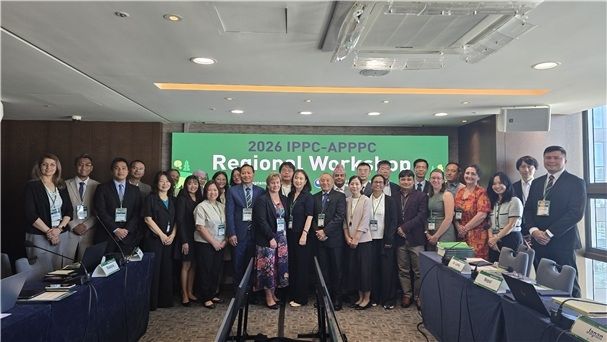
[Financial News] The Animal and Plant Quarantine Agency (APQA) held the 2026 Asia-Pacific Regional Workshop for Developing International Standards for Phytosanitary Measures (ISPMs) at Four Points Josun Seoul Station from the 7th to the 11th. Thirty plant quarantine experts from 16 Asia-Pacific countries participated.
According to APQA on the 13th, plant quarantine is essential to prevent the introduction and spread of pests and diseases that could harm agriculture and the environment when agricultural products are imported or exported. International standards for phytosanitary measures are applied worldwide. The International Plant Protection Convention (IPPC) revises and establishes these standards each year after gathering opinions from its member countries. The IPPC is a food-related international organization under the Food and Agriculture Organization of the United Nations (FAO). It establishes four to five international phytosanitary standards annually for agricultural trade and supports implementation by its 185 member countries.
APQA has held this workshop annually since this year to provide a forum for Asia-Pacific countries to actively participate in the process of establishing and revising International Standards for Phytosanitary Measures (ISPMs) and to develop a common voice. This year’s workshop focused on commodity-specific international standards needed for the international movement of five commodities, including bananas, oranges, and kidney bean seeds. These standards outline the pests requiring management when agricultural products are imported and the measures available to control the risks posed by those pests. They serve as guidelines for developing scientific and standardized pest-risk management measures among IPPC member countries and for ensuring safe agricultural trade between countries.
Before the workshop, APQA gathered opinions from domestic experts on the international standards. It also worked closely with participating countries to ensure that Korea’s views were reflected in the Asia-Pacific region’s common position. The views collected at the workshop will be submitted to the IPPC as the common position of the Asia-Pacific region. As the host country, Korea shared changes to its plant quarantine regulations requiring even small quantities of seeds imported through e-commerce and other channels to be accompanied by a phytosanitary certificate. It also introduced major achievements in plant quarantine-related technology development, including technology for producing standard reference strains of plant viruses.
Park Sun-woo, Director of the Plant Quarantine Division at APQA, said, "Because international phytosanitary standards directly affect each country’s quarantine systems and agricultural trade, it is important to participate actively from the stage when the standards are being developed. We will continue working to ensure that Korea’s views are actively reflected in discussions on international standards, and we will lead international cooperation in plant quarantine by sharing quarantine experience and technology with countries in the Asia-Pacific region."
[email protected] Choi Yong-jun, Agriculture Correspondent Reporter