Manager Who Returned to Work at Company’s Request After Cerebral Hemorrhage Dies... Court Rules It Was a Work-Related Accident
- Input
- 2026-09-13 12:47:23
- Updated
- 2026-09-13 12:47:23
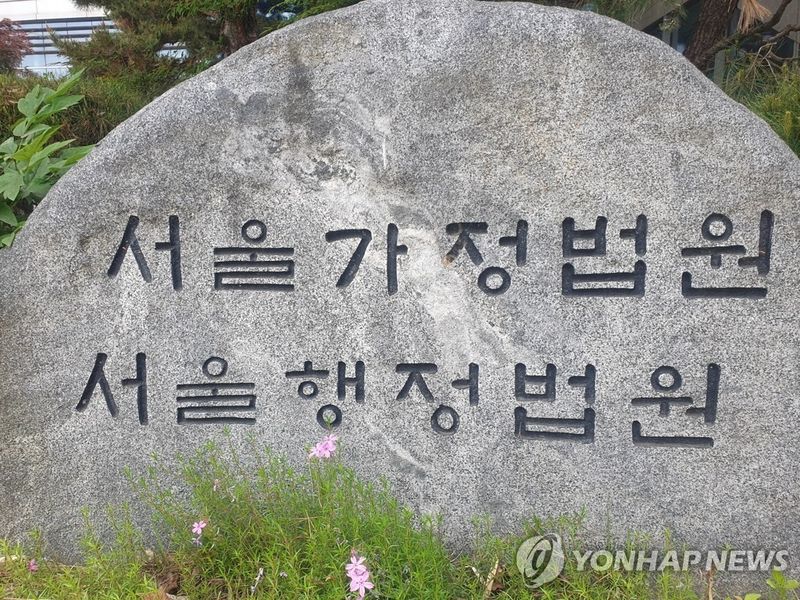
According to legal sources on the 13th, the Seoul Administrative Court’s Administrative Division 8, presided over by Chief Judge Yang Soon-joo, recently ruled in favor of the plaintiff in a lawsuit filed by the spouse of the deceased A against the Korea Workers’ Compensation and Welfare Service. The suit sought to overturn the denial of survivors’ benefits and funeral expenses.
A, who worked as a manager in Company B’s general affairs team, was hospitalized in 2021 after suffering a cerebral hemorrhage while sleeping at home in the early morning. He had been complaining of stress caused by an excessive workload. Even when he was discharged, vision in his left eye had recovered by only about 50% because of optic nerve damage, and he was unable to walk on his own.
A told an executive at the company that he would have difficulty returning to work because of his health problems. However, the company asked him to return, saying that a junior employee had resigned and the schedule for closing the accounts was tight. When A called the company president and said he needed at least three months to recover, the president again asked him to handle at least the closing work, saying there was no one else to take responsibility for it.
After returning to work, A was assigned not only the account-closing duties but also the general affairs team’s overall workload. Investigators found that he experienced considerable stress after being reprimanded by the company president over his work and then challenging the reprimand. His preexisting ulcerative colitis later worsened, requiring hospitalization. That same month, he went to work and tested positive for COVID-19. He was treated in an intensive care unit for symptoms including severe weakness, bloody stools, seizures and a coma before dying. The death certificate listed spontaneous intracerebral hemorrhage as the direct cause of death.
A’s spouse claimed that his death constituted a work-related accident and applied for survivors’ benefits and funeral expenses. However, the Korea Workers’ Compensation and Welfare Service denied the application, saying it was difficult to establish a sufficiently proximate causal relationship between his death and his work.
The court reached a different conclusion. The panel stated, “It is reasonable to conclude that work-related stress aggravated the deceased’s preexisting cerebral hemorrhage beyond its natural progression or worsened his ulcerative colitis, thereby triggering the cerebral hemorrhage.”
The court cited the fact that A still had aftereffects after being discharged and needed about 12 weeks of observation, yet was forced to return to work after about 10 weeks at the company’s request. The opinions of court-appointed specialists in neurosurgery and gastroenterology also stated that overwork or stress could contribute to the onset and worsening of the condition. The court additionally considered that A was unable to focus on treatment because he continued working on a laptop even while hospitalized for ulcerative colitis.
[email protected] Kim Dong-gyu Reporter