Lee Hyoung-il: "Market Stability Comes First for Financial Investment Income Tax"; Virtual Asset Taxation to Proceed as Scheduled
- Input
- 2026-09-13 09:46:05
- Updated
- 2026-09-13 09:46:05
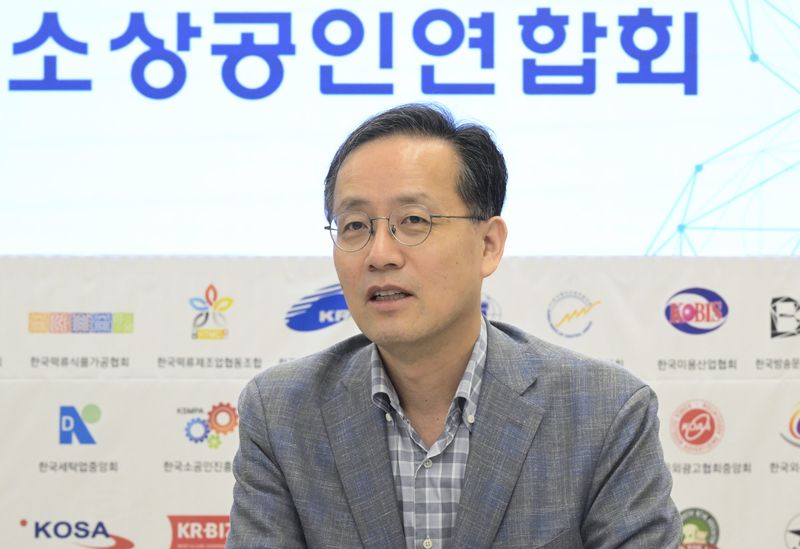
[Financial News] Lee Hyoung-il, nominee for deputy prime minister and minister of the Ministry of Economy and Finance, said financial market stability should come first before introducing the financial investment income tax. Meanwhile, he said virtual asset taxation, scheduled to take effect in January next year, would proceed as planned, suggesting that the pace of capital taxation reforms will be adjusted by tax category.
According to written answers Lee submitted to the National Assembly of the Republic of Korea on the 13th ahead of his confirmation hearing on the 15th, he said the introduction of the financial investment income tax and other capital gains taxes is "a matter to be considered after market conditions have stabilized sufficiently."
His remarks are understood to mean that, while he agrees on the need to revise the tax system in line with changes in financial markets and the industrial environment, he intends to monitor market conditions before immediately pursuing the financial investment income tax.
Lee explained, "We will revise related systems in response to changes in financial markets and industry and establish a fair and efficient financial taxation system."
Regarding virtual asset taxation, which is scheduled to take effect in January next year, Lee plans to implement the tax as scheduled while announcing detailed taxation standards through a National Tax Service notice within this year to minimize confusion during the tax filing process.
Lee also believed that the current system of classifying virtual asset income as other income should be maintained. He said, "Classifying it as other income is appropriate to apply tax provisions favorable to taxpayers, including comprehensive taxation of income, reduced tax compliance costs, a basic deduction, and a flat tax rate."
He also emphasized tax fairness between stocks and virtual assets. Lee explained, "Given that capital gains taxes—on major shareholders, overseas holdings, and unlisted shares—and transaction taxes are currently imposed on stocks, taxing virtual assets as well would help improve fairness."
Lee took a cautious stance on reforming inheritance and gift taxes. With arguments divided between lowering the tax burden in light of high inheritance tax rates and opposing tax cuts on the grounds of asset inequality and tax fairness, he judged that social consensus should come first.
Lee said, "This is an issue that requires in-depth discussion, based on diverse views and social consensus and taking into account fiscal conditions and the beneficiaries."
Regarding corporate tax, Lee proposed a policy direction that would pursue growth support and expansion of the revenue base simultaneously. Tax support for future growth engines, advanced industries, and locally led growth will continue, while tax exemption and reduction programs with low effectiveness will be revised in line with changes in economic and industrial conditions.
[email protected] Lee Dong-hyeok Reporter