Drawing the Memories Left by Disaster...Richard Hearns’ ‘Pompeii’ [fn Art Clip]
- Input
- 2026-09-14 08:20:59
- Updated
- 2026-09-14 08:20:59
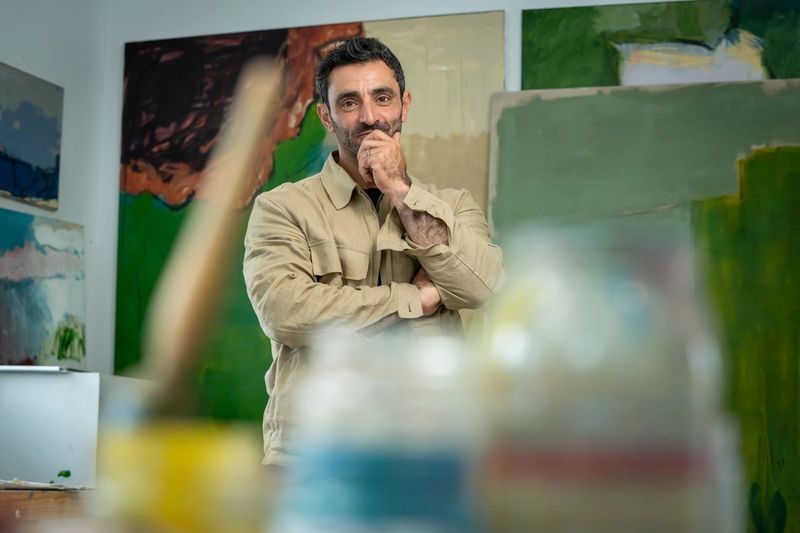
Rather than explain the tragedy or offer an answer, he aims to create a place where viewers can pause for a moment. "Painting can transcend language," Hearns said. "Sometimes the deepest emotions reside in what is felt but left unsaid."
This approach is also reflected in the way he engages with landscapes. Hearns lives and works in The Burren in County Clare, Ireland, where he encounters limestone shaped over vast stretches of time and traces of human presence left between the rocks. Instead of transferring the landscape directly onto the canvas, he allows the sensations experienced through his body there and the power of nature to permeate the painting.
The process of layering paint incorporates time spent covering, revealing, erasing, and returning. "As in a landscape, something that was there before remains," he explained. "Rather than reproducing a place, I am trying to understand and convey what it means to live in a place that holds so much time."
His solo exhibition ‘No Ruined Stones,’ which explores geological time alongside human life, runs through October 3 at Cadogan Gallery in London, United Kingdom.
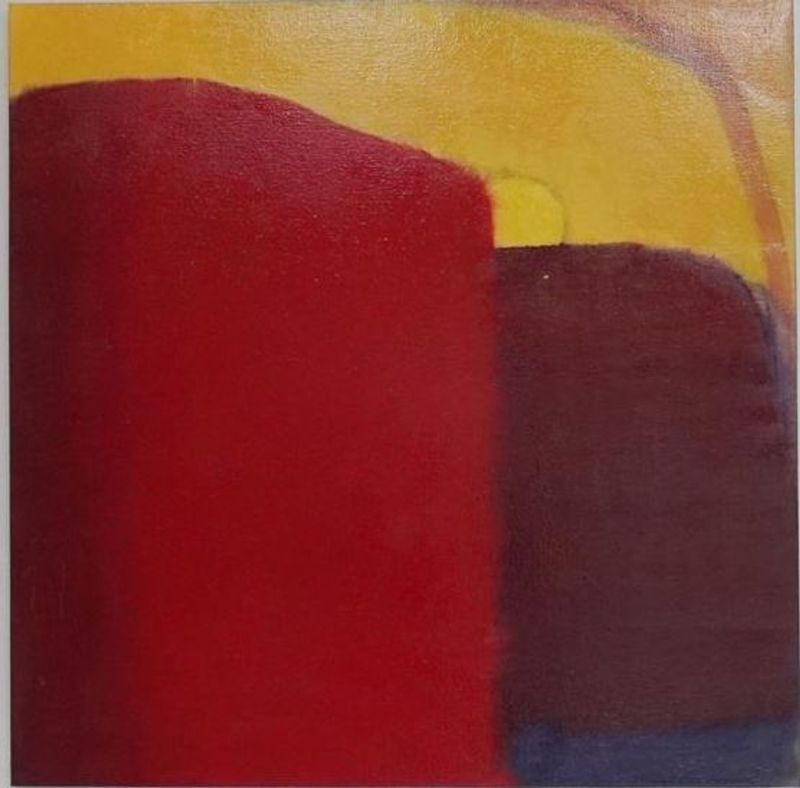
He does not decide on the colors in advance, either. The same limestone can appear gray, blue, or almost purple depending on the weather and the time of day. Green intensified by rain may disappear into the landscape under different light. Hearns focuses less on individual colors than on the relationships between them. A subdued color, he explained, can suddenly make another color shine.
Hearns also expressed hope for a connection with Korean audiences. Although his work is not based on Eastern traditions, he believes viewers can find a shared intuition in simplicity and movement, silence and gesture. "The most successful paintings are the ones that are felt deeply," he said.
[email protected] Insuh Jang Reporter