China Holds the Key to the Future of International Oil Prices
- Input
- 2026-09-13 04:11:22
- Updated
- 2026-09-13 04:11:22
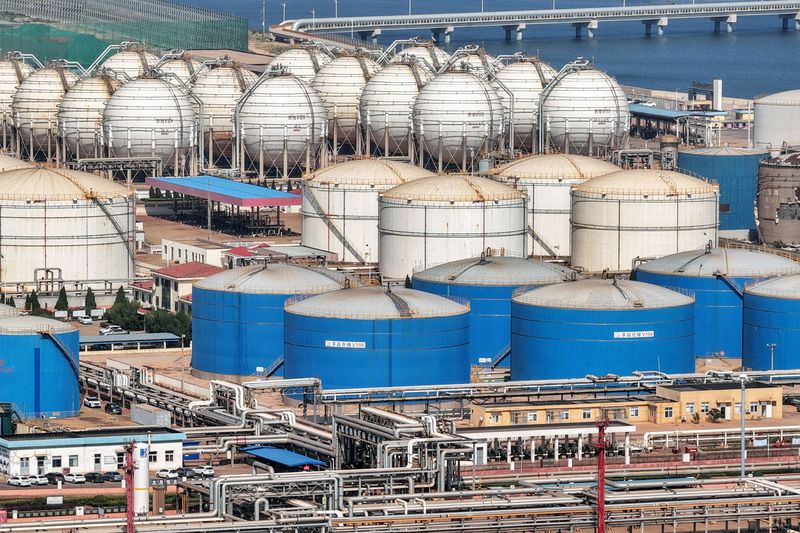
Analysts say whether international oil prices will remain above $100 a barrel and reach their highest level since the war with Iran depends on how China acts. Oil prices have soared nearly 9% over the past week, but China has yet to move in earnest.
CNBC, a U.S. financial news outlet, reported on the 12th local time that experts are increasingly concerned that oil prices could surge unchecked if China begins buying oil in earnest.
Rebecca Babin, a senior energy trader at CIBC Private Wealth, said the current oil rally may not fully reflect an increase in Chinese imports. Babin warned, "What is not reflected in current oil prices is that Chinese refiners could expand production, causing oil demand to rise even more strongly in reality. If that happens, the market balance will become even tighter."
Since the war with Iran began on February 28, China has prevented oil prices from soaring by acting as what is known as a “swing consumer,” capable of influencing market conditions.
Bob McNally, president of Rapidan Energy, said China had reduced its oil imports by 3 million to 5 million barrels per day after the war began. Instead, it managed supply and demand by releasing more than 1 billion barrels from its massive strategic reserves.
McNally noted, "China’s oil diet helped prevent prices from surging, but it has now ended that diet," adding, "It has resumed buying oil amid hunger and thirst."
Chinese refiners have ample incentive to increase production. Prices for refined products have surged in international markets because of the wars in Iran and Ukraine. Babin said, "Refining margins have become extraordinarily high, so Chinese refiners literally cannot ignore the opportunity," adding, "They will buy crude, turn it into refined products, sell them on the market, and try to rake in money."
According to maritime data provider Kpler, China’s oil imports stood at about 6 million barrels per day in June, roughly half the 11.5 million barrels per day recorded in February. Imports rose slightly to around 7 million barrels per day in July and August.
Matt Smith, global head of commodity research at Kpler, said China’s imports did not appear to have risen dramatically this month either, estimating that they had remained at July and August levels. He said China was "a very savvy buyer, controlling refinery output by relying more on inventories instead of buying oil priced in the $100 range." In other words, China has yet to significantly increase its oil imports.
However, concerns are mounting that the brakes could come off the oil rally as China begins increasing its imports.
Another factor that could roil the market is that oil inventories held in reserves around the world are beginning to run dry.
According to the U.S. Energy Information Administration (EIA), an agency of the U.S. Department of Energy, global oil inventories have fallen by 400 million barrels now that more than six months have passed since the war began. This means the buffer that had prevented oil prices from surging after the outbreak of the war is gradually disappearing. Meanwhile, hopes that the war would end have also evaporated.
McNally expressed concern, saying, "Summer is over, peace has not arrived, and the war continues. The market’s optimistic bias, its willingness to respond to verbal intervention with selling, and the expectation that peace would arrive soon, just around the corner, are now gradually disappearing."
Brent crude for November delivery, the international benchmark, plunged 2.8% on the 11th. However, after jumping 8.7% over the past week, it ended trading at $104.61 a barrel.
[email protected] Song Kyung-jae Reporter