Rice Consumption Falls as Butter and Cheese Imports Surge... Food Industry Targets Western-Style Convenience Meals
- Input
- 2026-09-15 11:04:20
- Updated
- 2026-09-15 11:04:20
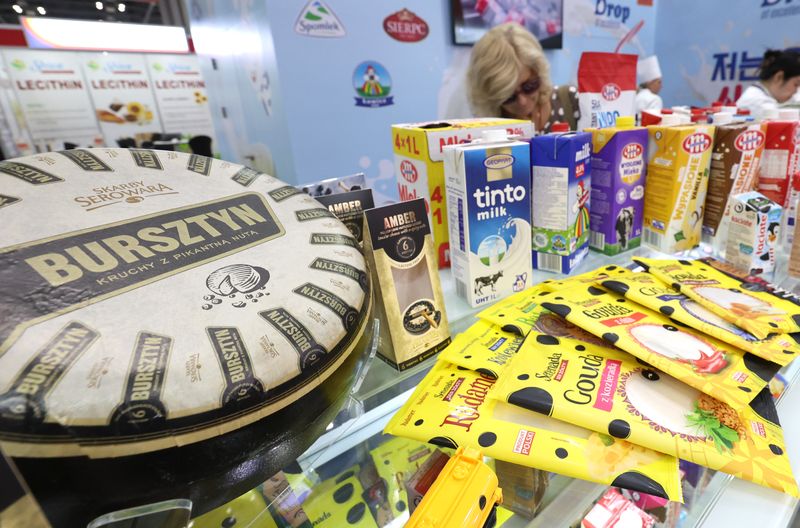
[Financial News] As Korean consumers’ diets become increasingly Westernized, the value of butter and cheese imports is surging. By contrast, rice consumption is declining every year and has reached its lowest level since records began, signaling weakening demand for Korean cuisine. In response, food companies are accelerating their push into the market by adding a wide range of Western-style dishes, including pasta, gnocchi and pizza, to the previously Korean-food-focused home meal replacement (HMR) sector.
According to the Korea International Trade Association (KITA) on the 15th, South Korea’s butter imports totaled $170.92 million from January through July this year, up $24.04 million, or 16.4%, from $146.88 million during the same period last year. Compared with the $94.49 million recorded during the same period in 2024, the figure rose by $76.43 million, or 80.9%, over two years.
Imports of cheese, which is used in dishes such as pasta and pizza, also increased sharply. Cheese imports totaled $385.30 million in the first seven months of this year, up $21.38 million, or 5.9%, from $363.92 million during the same period last year. Compared with $245.10 million during the same period in 2024, the figure increased by $140.20 million, or 57.2%.
The increase in imports of ingredients such as cheese and butter, which are mainly used in Western cuisine, is attributed to Westernized eating habits and a growing preference for convenience foods amid the rise in single-person households. The spread of fine-dining culture through various television programs also played a significant role by broadly increasing interest in Western cuisine.
Meanwhile, domestic rice consumption continues to decline, reducing demand for Korean cuisine. According to a grain consumption survey by Statistics Korea, annual rice consumption per person stood at 53.9 kilograms last year, down 3.4% from the previous year. That translates to 147.7 grams per day, less than one and a half bowls of rice. It was the lowest level ever recorded since statistics were first compiled in 1963.
Food companies are also responding to these rapidly changing consumption trends by moving beyond product portfolios centered on Korean cuisine and expanding their Western-style HMR offerings, including steak, pasta and gnocchi. Ottogi launched two refrigerated pasta products and two frozen specialty pizzas this year, allowing consumers to enjoy restaurant-quality dishes at home. Pulmuone Foods also saw sales in its convenient pasta meal category grow by about 20% last year from the previous year.
CJ CheilJedang launched the chicken brand Sobaba, enabling consumers to enjoy a crisp texture at home comparable to that of specialty restaurants. The company is also responding quickly to Western-style trends by expanding its lineup of low-sugar butter and spreads, which serve as basic components of Western cuisine. bo&mie, operated by SHINSEGAE FOOD, has expanded its lineup of butter-based breakfast rolls to target consumers seeking convenient meal replacements in the morning. Earlier this year, it also launched “butter rice cakes,” which had emerged as a popular dessert, through Traders bakeries nationwide.
A food industry official explained, "As Korea’s food culture gradually becomes more Westernized, home meal replacements and frozen products are increasingly being launched with a focus on Western-style dishes. In the case of Korean-style convenience meals, product lineups are already fairly complete, so expanding Western-style offerings is also largely part of an effort to diversify portfolios."
[email protected] Park Kyung-ho Reporter