Iran Resumes Ballistic Missile Production, WSJ Reports
- Input
- 2026-09-11 08:02:47
- Updated
- 2026-09-11 08:02:47
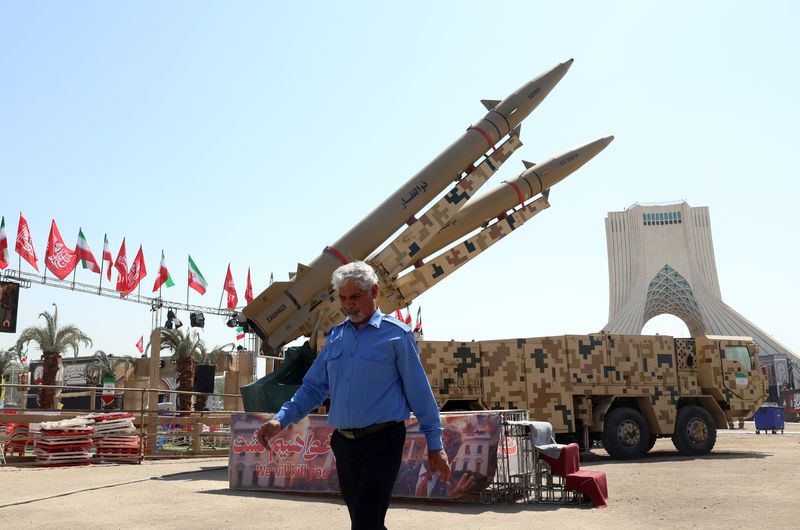
[Financial News] Iran has resumed producing ballistic missiles by using stockpiled components and underground facilities, despite intensive airstrikes by U.S.-Israeli coalition forces early in the war, senior U.S. and Middle Eastern officials said.
The Wall Street Journal (WSJ) reported on the 10th (local time), citing U.S. and Middle Eastern officials, that Iran is assembling missiles at underground facilities. The work includes liquid-fueled missiles, which must be fueled immediately before launch, as well as solid-fuel missiles that can be stored in a launch-ready state. Intelligence authorities said missile assembly activity had been detected at several underground sites, including the Khojir missile facility in southeastern Iran. They added that Iran was also attempting to build new underground assembly facilities to avoid airstrikes.
Tal Inbar, a senior analyst at the U.S.-based Missile Defense Advocacy Alliance (MDAA), noted, "During the pause in the airstrikes, Iran can repair damaged infrastructure and bring in new components from other countries to store at its facilities." He added, "It would be extremely naive to think that Iran will not rebuild its missile production capabilities."
The United States Department of Defense (DoD) maintained its previous position, stating, "The U.S. military destroyed up to 90% of Iran's drone, ballistic missile, and naval industrial base and significantly reduced its launch capabilities." A White House official also avoided directly answering whether Iran had resumed missile production, but emphasized, "Iran's nuclear facilities were completely destroyed, and its military capabilities were severely weakened." The official added, "President Trump will never allow Iran to possess nuclear weapons."
Experts believe Iran retains the capacity to reassemble at least hundreds to thousands of missiles using completed warheads, airframes, and guidance and control systems that it had stockpiled in large quantities at underground facilities before the war. A U.S. official estimated that Iran resumed limited production after reaching a small preliminary agreement in mid-June with President Donald Trump on opening the Strait of Hormuz and beginning talks to end the war.
Iran continues to demonstrate a diverse range of capabilities, including by launching highly mobile and accurate Kheibar Shekan missiles and warheads designed for concentrated attacks at U.S. military bases and vessels. Israeli authorities are also concerned by the pace of efforts to repair tunnel entrances damaged by U.S.-Israeli airstrikes and rebuild infrastructure such as roads and bridges.
Nicole Grajewski, an Iran strategy expert at Sciences Po, analyzed, "The facilities and the missiles themselves can be destroyed, but Iran's missile program can recover faster than its nuclear program and is widely dispersed." She added, "The reason Iran built a dispersed and complex underground infrastructure was precisely to prepare for situations like this."
[email protected] Yoon Jae-jun Reporter