Trump to Eliminate 60-Day Stay After H-1B Layoffs...Jobless Workers May Have to Leave the U.S.
- Input
- 2026-09-11 00:54:04
- Updated
- 2026-09-11 00:54:04
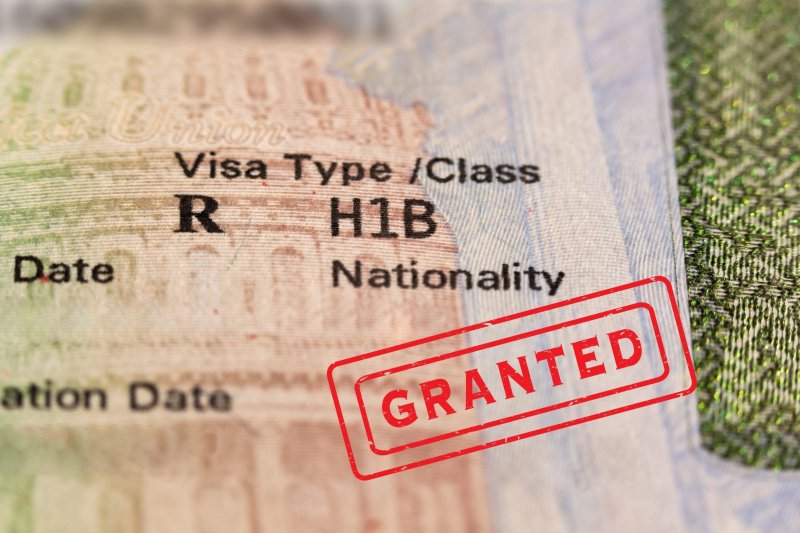
According to a proposed rule published in the Federal Register on the 10th local time by the United States Department of Homeland Security (DHS), the Trump administration plans to eliminate the maximum 60-day grace period currently available to holders of certain nonimmigrant employment visas, including H-1B visas.
Currently, even if an H-1B worker is laid off, the worker may remain legally in the United States for up to 60 days while seeking a new employer. If the new employer sponsors the worker’s visa and completes the relevant procedures, the worker can continue working without leaving the country.
If the proposed rule takes effect, however, this buffer would disappear. The worker’s legal status would effectively end when the employment relationship ends, increasing the likelihood that the worker would have to leave the United States.
The 60-day grace period has been in place since 2017. It was not designed merely to give foreign workers time to find new jobs. It has also allowed them to wind down their lives in the United States after a sudden job loss, including selling or vacating their homes and resolving their children’s school arrangements.
H-1B visas are particularly important for U.S. technology companies seeking foreign talent. Congress introduced the visa in 1990, and it has been used to recruit workers from countries such as India and China, particularly in fields where it is difficult to find the specialized personnel needed in the United States.
Major H-1B sponsors include global consulting firms such as Deloitte, PricewaterhouseCoopers (PwC), and Ernst & Young (EY), as well as Tata Consultancy Services (TCS), Infosys, HCLTech, and LTIMindtree.
Companies are also expected to face difficulties. Veradi Immigration Law Office told Reuters that the measure would "sharply reduce the time human resources departments have to manage the termination and departure procedures for foreign employees."
DHS also acknowledged that the measure could cause some disruption for companies. However, the department said American workers could fill jobs left vacant when foreign workers depart.
DHS stated, "We expect companies to offer those positions to equally qualified U.S. workers based on their staffing needs or to pursue the Form I-129 petition process." In some cases, foreign workers who have left the United States may reapply for visas if their employers file new petitions on their behalf.
The measure is not limited to H-1B visas. If implemented, it would also apply to E-1 and E-2 visas, L-1 visas used by executives and managers of multinational companies working in the United States, O-1 visas issued to individuals with extraordinary ability in science, sports, or the arts, and TN visas for professionals from Canada and Mexico.
H-1B1 visas for professionals from Singapore and Chile, as well as E-3 visas for specialty-occupation workers from Australia, would also be affected.
The measure is one of a series of policies the Trump administration has pursued to restrict legal immigration since President Trump returned to the White House in January last year. The administration has also raised the cost of visas for specialty-occupation workers, making it more difficult for legal foreign workers to find employment in the United States.
The elimination of the 60-day grace period would not take effect immediately. The proposed rule released by DHS must undergo a public comment period of approximately two months. It can be implemented only after the final rule is adopted.
[email protected] Correspondent Lee Byung-chul Reporter