"U.S. Government Growing Frustrated by Delays in South Korea’s $350 Billion Investment"
- Input
- 2026-09-10 17:36:28
- Updated
- 2026-09-10 17:36:28
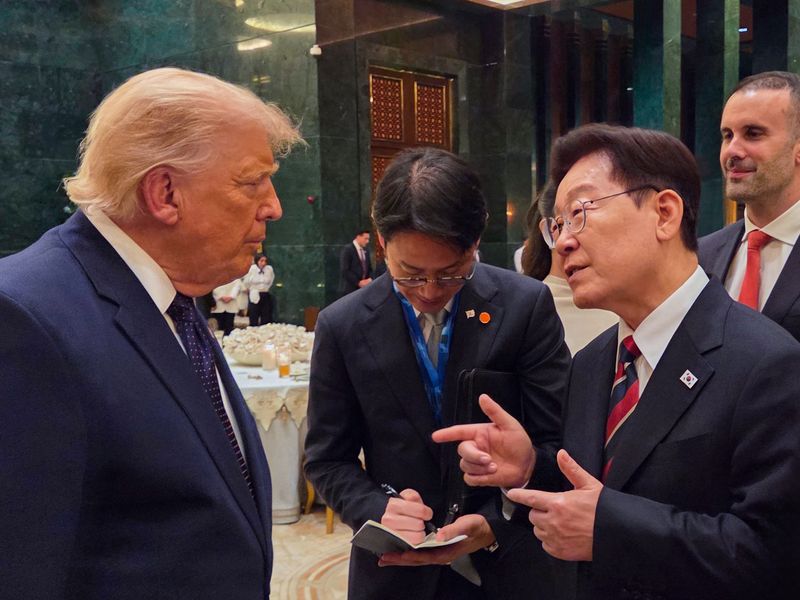
According to the British Financial Times (FT) on the 9th local time, a U.S. source said, "The South Korean government needs to move faster," adding, "Otherwise, it could face pushback from President Donald Trump." Another source said, "Dissatisfaction over the investment delays also played a role in President Trump’s recent public criticism of South Korea’s lack of support related to the war in Iran." Jennifer Lee, a partner at the Eurasia Group, noted, "Unlike Japan, which has announced large-scale investments one after another, South Korea’s slow progress is fueling frustration within the U.S. government."
South Korea’s investment pledge was part of last year’s U.S.-South Korea trade agreement. In exchange for the United States lowering planned tariffs on South Korean products from 25% to 15%, South Korea agreed to invest a total of $350 billion in the United States.
The FT pointed out that "the South Korean government is making project feasibility its top priority in connection with investment in the United States." Min Jeonghun, a professor at the Korea National Diplomatic Academy (KNDA), explained, "Companies would not invest in projects that lack economic viability, so the government has no choice but to proceed cautiously." He added, "President Trump, however, wants results as soon as possible, so the positions of the two sides are diverging."
The FT also assessed that "South Korean companies’ cautious stance was influenced in part by last September’s enforcement action by U.S. Immigration and Customs Enforcement (ICE) at a joint battery plant operated by Hyundai Motor Group and LG Energy Solution in Georgia." The enforcement action by U.S. immigration authorities appears to have made South Korean companies hesitant about investing in the United States.
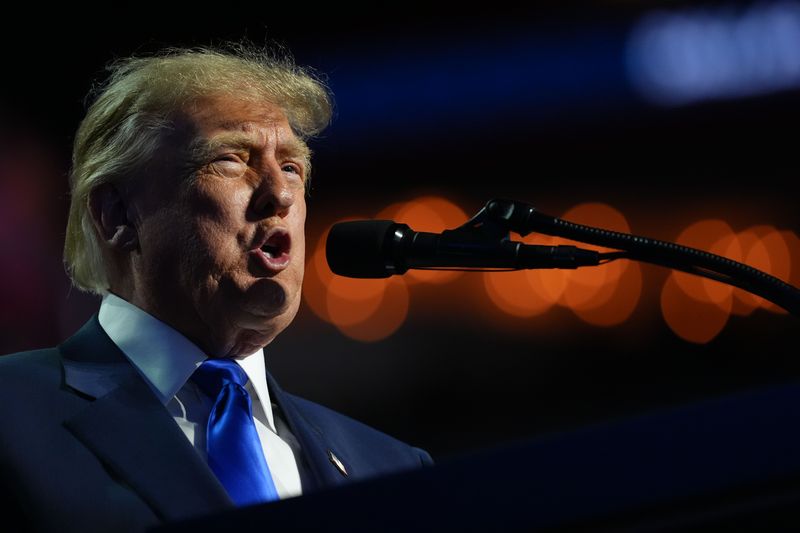
The FT said, "South Korea’s investment issue in the United States is becoming intricately entangled with other security issues in U.S.-South Korea relations," and mentioned President Trump’s order to reduce ROK-U.S. joint military exercises. Ramon Pacheco Pardo, a professor at King’s College London, predicted, "To increase his leverage in negotiations, President Trump could reverse last year’s agreement under which the United States agreed to support South Korea’s plan to acquire a nuclear-powered submarine, or once again raise the option of withdrawing U.S. Forces Korea." He added, "The foundation of the ROK-U.S. Alliance is strong, but U.S.-South Korea relations could remain unstable during President Trump’s term because of his view of the alliance."
[email protected] Hong Chae-wan Reporter