"It Was Hotter in August Than in July"—Global Average Temperature Hits Record High
- Input
- 2026-09-10 15:47:38
- Updated
- 2026-09-10 15:47:38
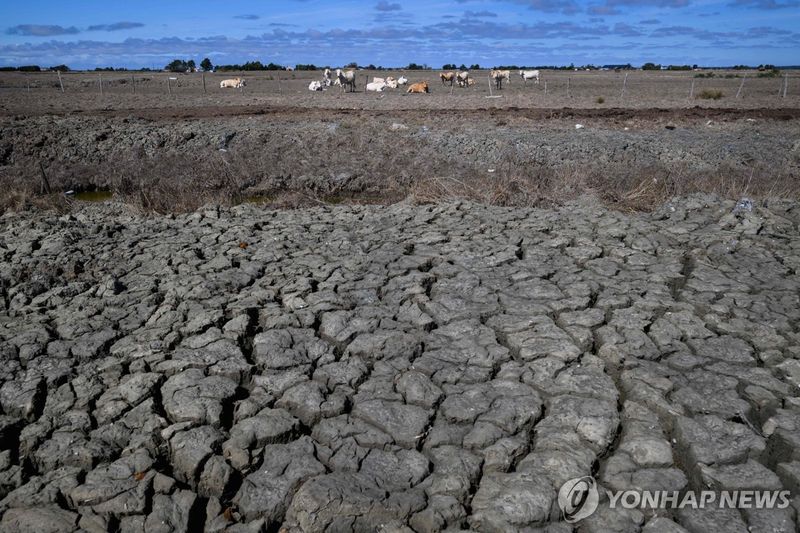
The global average temperature in August this year was the highest since records began.
The Copernicus Climate Change Service (C3S), the European Union (EU)'s climate monitoring agency, said on the 10th local time that the average global surface temperature in August this year was recorded at 16.96°C.
That was 0.01°C higher than in July 2023, the hottest month on record to date. However, C3S explained that the difference falls within the margin of error, meaning the two records should effectively be considered equivalent.
Looking only at August, this year's figure was the highest on record. The second-highest average August temperatures were recorded in 2023 and 2024, at 16.82°C in each year.
The global average temperature in August this year was 1.65°C higher than the August average from 1850 to 1900, the preindustrial period. It was also 0.85°C higher than the average for the most recent 30-year period, from 1991 to 2020.
The latest record once again threatens the climate-change targets the international community is seeking to uphold. Under the 2015 Paris Agreement, countries agreed to keep the rise in global average temperature to well below 2°C above preindustrial levels and to pursue efforts to limit the increase to 1.5°C.
Concern is also growing because global high-temperature records have been broken at an accelerating pace. According to data compiled by C3S since 1940, all eight hottest months on record have occurred since July 2023.
This year also produced an unusual record: the average temperature in August was 0.06°C higher than in July. July, which generally falls within the Northern Hemisphere's summer, is typically considered the hottest month of the year globally.
In C3S records dating back to 1940, August temperatures were higher than those in July only in 1945, 1951, 1955 and 1985. This year marks the fifth such occurrence.
[email protected] Hong Chae-wan Reporter