Takaichi’s Government Performance Rating Surpasses Abe’s, Highest Since 2017
- Input
- 2026-09-10 14:45:59
- Updated
- 2026-09-10 14:45:59
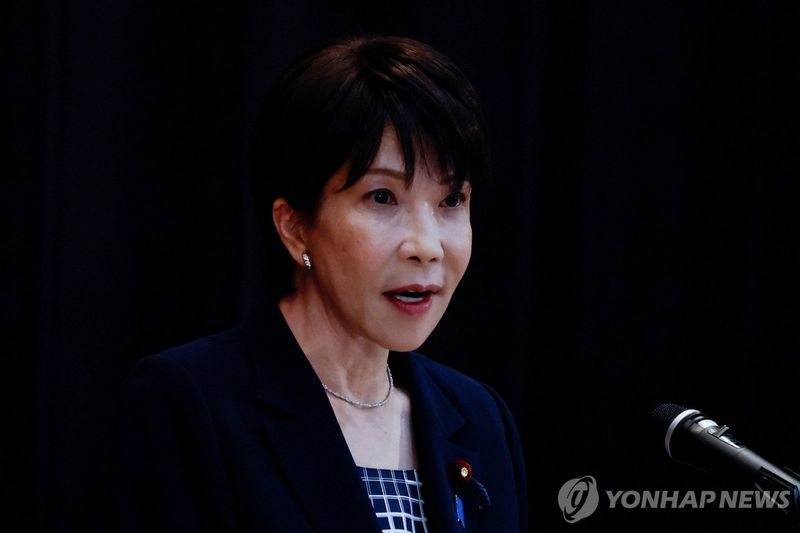
【Financial News, Tokyo = Correspondent Hye-jin Seo】The Yomiuri Shimbun reported on the 10th that the Sanae Takaichi Cabinet received the highest evaluation for government performance among cabinets surveyed since 2017. Stronger cooperation with allies and investment in growth industries such as artificial intelligence (AI) and semiconductors drove the favorable assessment. The findings also revealed Japanese voters’ complex views: They support proactive fiscal spending while worrying about worsening public finances.
In a nationwide mail survey jointly conducted by the Yomiuri Shimbun and Waseda University’s Institute for Advanced Social Sciences among 3,000 voters from July 27 to August 31, the Takaichi Cabinet received an average government-performance rating of 5.3 out of 10. A total of 1,907 people responded, producing a response rate of 64%.
This was the highest score in seven surveys conducted since the second Abe administration. The previous high was the Abe Cabinet’s score of 5.2 in a survey conducted in July and August 2019.
Among Prime Minister Takaichi’s key policies, “strengthening cooperation with allies and like-minded countries” received the highest evaluation. Sixty-nine percent of respondents viewed it positively.
“Proactive investment in growth sectors such as AI and semiconductors” also received a positive rating from 66% of respondents. Strengthening defense capabilities received 61%, while the “refundable tax credit,” which combines tax cuts and cash payments, received 52%; both exceeded the halfway mark.
By contrast, policies concerning political reform, foreign nationals, and the Constitution received relatively low ratings. Only 31% viewed efforts to improve transparency in political funding positively. The figure was 41% for policies concerning foreign nationals and 45% for efforts to amend the Constitution. In all three areas, positive evaluations were lower than negative ones.
Sixty-four percent supported Prime Minister Takaichi’s “responsible proactive fiscal policy,” which prioritizes economic growth, far exceeding the 33% who opposed it.
However, 64% also said they were concerned that proactive fiscal spending would worsen Japan’s public finances. Thirty-three percent said they were not concerned. The results showed voters’ conflicting views: They support fiscal expansion to stimulate the economy but feel uneasy about rising national debt.
Asked how long they wanted Prime Minister Takaichi to remain in office, the largest share, 45%, chose “until September 2027, when the LDP president’s term ends.” Thirty-four percent chose “as long as possible,” while 14% said she “should be replaced immediately.”
[email protected] Hye-jin Seo Reporter