Jeju Elementary Teacher Recruitment Confirmed at 26, Down from 60—Six Times the National Reduction Rate
- Input
- 2026-09-10 13:54:40
- Updated
- 2026-09-10 13:54:40
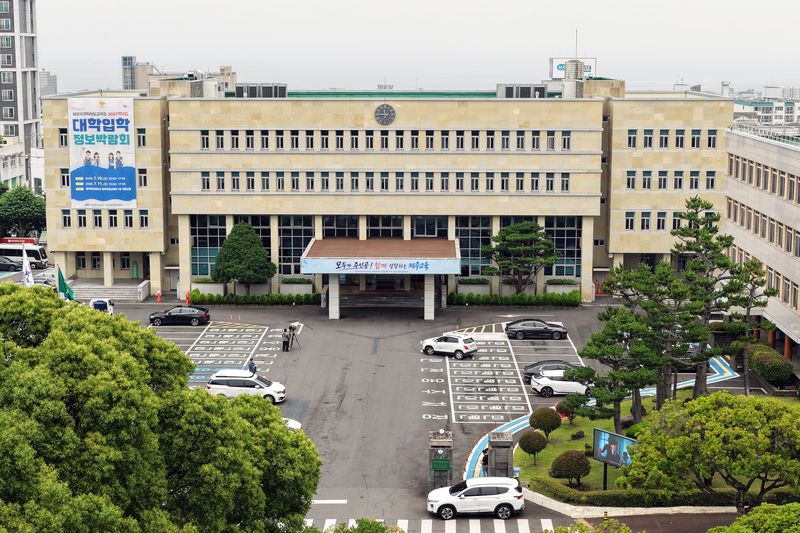
[Financial News Jeju = Reporter Jeong Yong-bok] The number of new teachers selected for public elementary schools in the Jeju region has decreased from 60 to 26 in one year. The rate of decrease is 56.7%, about six times the national average of 9.4%.
On the 10th, an analysis of the recruitment announcements for the 2027 academic year public kindergarten, elementary school, and special school teacher appointment examinations issued by the Jeju Special Self-Governing Provincial Office of Education and the Ministry of Education found that the planned number of elementary school teachers to be selected in Jeju is 26, including 24 general positions and 2 positions reserved for persons with disabilities.
This is a decrease of 34 from the 60 selected in the 2026 academic year. The number of elementary school teachers to be selected in Jeju has declined for two consecutive years, from 94 in the 2025 academic year to 60 in 2026 and 26 in 2027. This represents a decrease of 68, or 72.3%, in two years.
The rate of reduction is much steeper than the national average. According to the Ministry of Education's compilation of recruitment announcements from education offices across the country, the planned number of public elementary school teachers to be selected for the 2027 academic year is 2,821, down by 292, or 9.4%, from 3,113 in the 2026 academic year. Jeju's 56.7% reduction is approximately six times the national average.
Regional trends also diverged. Recruitment increased from 212 to 267 in Seoul, from 190 to 238 in Incheon Metropolitan City, and from 129 to 160 in Gangwon State. By contrast, recruitment decreased in Gyeonggi Province, Busan, and Gyeongsangbuk-do. The differing trends reflect regional supply-and-demand conditions, including student numbers, teacher quotas, and the scale of retirements and vacancies.
Jeju's declining school-age population is also continuing. According to the basic education statistics of the Jeju Special Self-Governing Provincial Office of Education, the number of elementary school students fell by 1,684, or 4.6%, from 36,244 in 2025 to 34,560 this year.
During the same period, the number of elementary school classes decreased by 13, or 0.7%, from 1,894 to 1,881. The number of teachers fell by 24, or 0.8%, from 3,088 to 3,064. The teachers included in the education office's statistics comprise regular and fixed-term teachers.
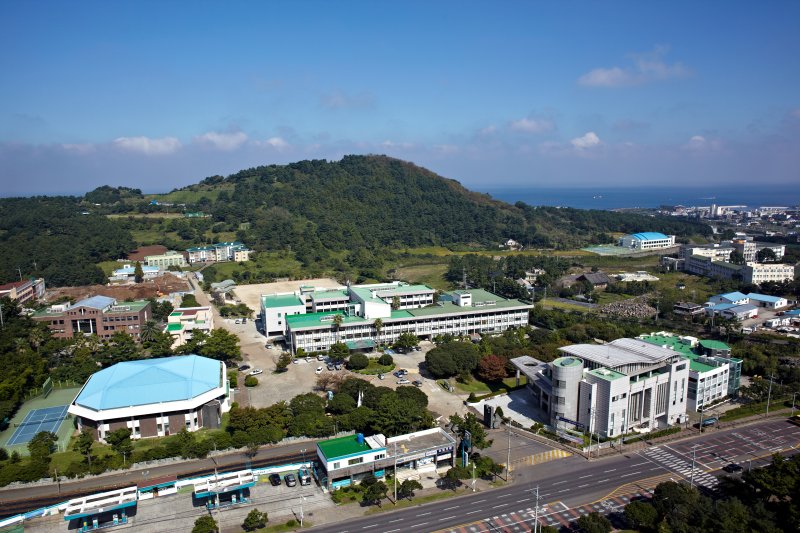
It is difficult to determine whether the scale of teacher reductions is appropriate by directly comparing the rates of decline in student numbers and new teacher recruitment. New recruitment is determined by considering not only student numbers but also the teacher quota allocated by the Ministry of Education, retirees, vacancies, candidates awaiting appointment, and class organization.
However, as the number of elementary school students declined by 4.6% in one year while new teacher recruitment fell by 56.7%, interest is growing in the basis for calculating Jeju's teacher supply-and-demand plan and the outlook for future teacher quotas.
The education community is also protesting the reduction in recruitment. On the 8th, students at Jeju National University Teachers College issued a statement saying that the number of elementary school teachers selected in Jeju had fallen from 94 in the 2025 academic year to 26 in just two years, and demanded that teacher quotas be secured and the teacher supply-and-demand plan for Jeju be reconsidered.
They argue that reducing the number of teachers based solely on student numbers could affect educational conditions at small schools in towns and rural areas, as well as efforts to improve the number of students per class at urban schools.
The Jeju Special Self-Governing Province Teachers' Association also previously called for an increase in recruitment, saying that Jeju had the highest rate of decline in elementary school teacher recruitment among the nine provincial-level regions.
However, the figure of 26 presented in last month's advance notice remained unchanged in the implementation plan announcement. The total planned number of new teachers to be selected for the 2027 academic year in Jeju's public kindergartens, elementary schools, and elementary-level special schools is 42: 7 for kindergartens, 26 for elementary schools, and 9 for elementary-level special schools.
Compared with the previous year, kindergarten recruitment increased by 4, from 3 to 7. By contrast, elementary school recruitment decreased by 34, from 60 to 26, while recruitment for elementary-level special schools decreased by 9, from 18 to 9.
Applications will be accepted through the Online Faculty Recruitment System from 9:00 a.m. on the 28th until 6:00 p.m. on October 2. The first examination will be held on November 7, with successful candidates announced on December 9. The second examination will take place from January 6 to 8 next year, and the final successful candidates will be announced on January 27.
[email protected] Jeong Yong-bok Reporter