U.S. Treasury yields rise and oil prices climb again... Significant capital outflows from India's government bond market
- Input
- 2026-09-10 13:05:56
- Updated
- 2026-09-10 13:05:56
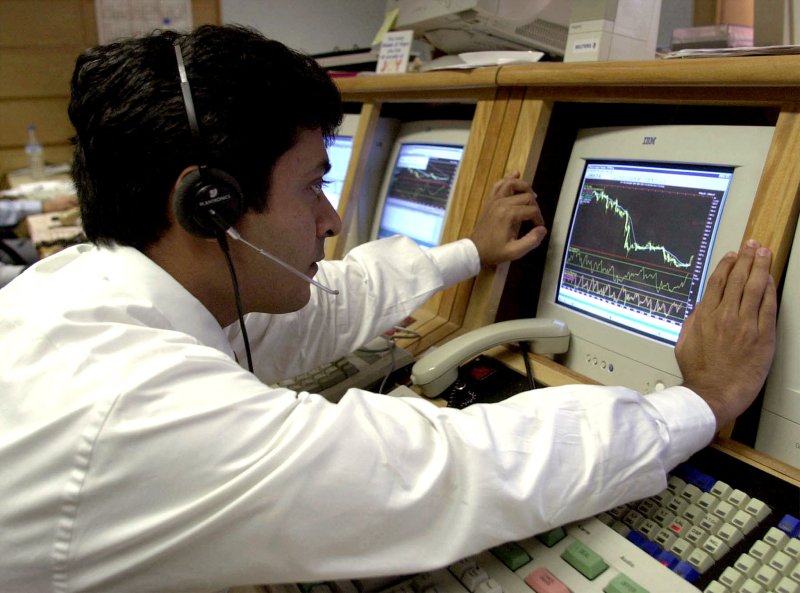
[New Delhi, India = Correspondent Pragya Awasati] As U.S. Treasury yields and international oil prices rise simultaneously, the burden on India's government bond market is growing, with capital outflows occurring. In particular, concerns are rising that the incentive for foreign investors to invest in Indian bonds may diminish as the interest rate gap between developed countries such as the United States and India has recently narrowed.
According to local industry sources on the 10th, concerns are mounting in global financial markets as international oil prices and government bond yields in major countries rose simultaneously on the 9th. Brent Crude Oil has remained at a high level after surpassing $100 per barrel the previous day amid escalating tensions between the United States and Iran. There are also forecasts that if inflationary pressures driven by oil prices persist, interest rate cuts in major countries could be delayed or the possibility of further rate hikes could increase.
The U.S. 10-year Treasury yield has risen to around 4.80%, reaching its highest level since November 2023, and the market is watching to see if it breaks the 5% mark. Germany's 10-year government bond yield has also risen to its highest level since 2011.
Given that foreign investors decide whether to invest by comparing the yields of Indian government bonds with those of developed countries such as the United States, it is being pointed out that if U.S. Treasury yields rise, the returns on dollar-denominated assets—considered safe assets—will increase, potentially reducing the attractiveness of Indian government bonds, which carry relatively higher risk.
India's government bond market saw a massive inflow of foreign capital in the first half of this year alone. Foreign investors net purchased approximately $3 billion (about 4.0164 trillion won) worth of Indian government bonds during June, marking the largest monthly capital inflow on record. The Indian government's easing of the long-term capital gains tax burden for foreign investors and the abolition of the 20% withholding tax on bond interest also contributed to the expansion of investment. As a result, an exceptional trend of capital inflows continued, with 493.5 billion rupees (about 6.9491 trillion won) flowing in during June and July alone.
However, the atmosphere has completely changed since August. Foreign portfolio investors (FPI) have net sold approximately 9.87 billion rupees (about 138.9 billion won) of Indian government bonds since August. Bloomberg's postponement of the inclusion of Indian local-currency bonds in its emerging-market bond index also acted as a burden on additional capital inflows.
Rising international oil prices are also becoming a burden on India's economy. As India is highly dependent on crude oil imports, rising oil prices, which are settled in dollars, cause import costs and inflation to increase. This burden is compounded by the weakening of the rupee. The exchange rate of the rupee against the dollar recently rose to 95.16 rupees (1,337.95 won). A depreciation of the rupee increases crude oil import costs and intensifies inflationary pressure, while foreign investors may also suffer exchange-rate losses when converting profits from Indian government bonds into dollars.
India's government bond market is already under pressure. The yield on 10-year government bonds approached 7% on the morning of the 9th, reaching 6.95%. This was due to growing concerns over inflation and rising interest rates as international oil prices surpassed $100 per barrel. Since rising interest rates cause the prices of existing government bonds to fall, unrealized losses for investors holding long-term bonds could also increase.
Market experts analyzed that rising U.S. Treasury yields could increase the discount rate foreign investors apply to Indian stocks, thereby lowering the relative investment attractiveness of Indian stocks compared with U.S. Treasuries and U.S. stocks. They explained that if the dollar continues to strengthen, the dollar-denominated returns of foreign investors who have not hedged against currency fluctuations could also deteriorate. Furthermore, they pointed out that the rise in U.S. Treasury yields increases the relative attractiveness of dollar-denominated assets and could heighten the currency risk associated with investments in emerging markets.
[email protected] Correspondent Pragya Awasati Reporter