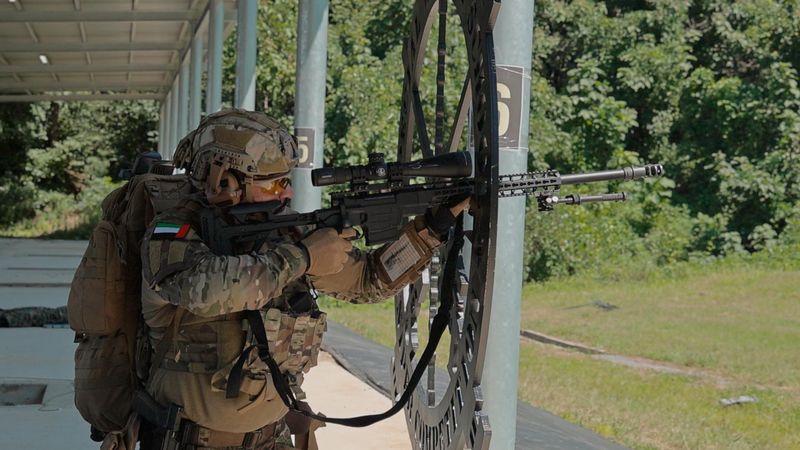
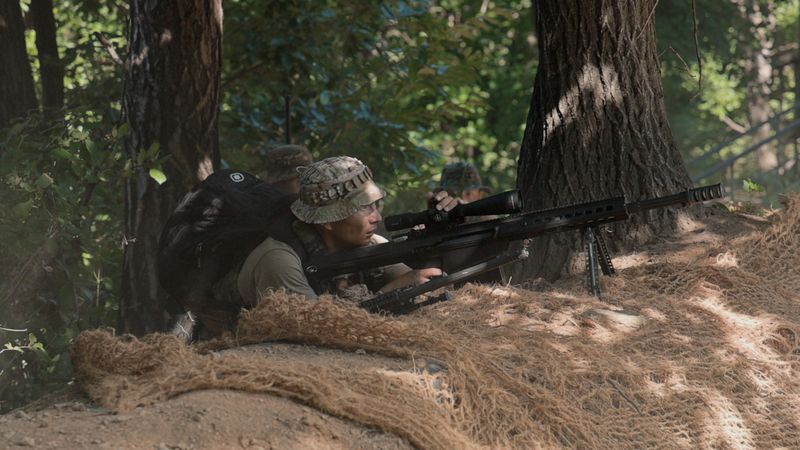
The Republic of Korea Army (ROKA) held the 3rd Minister of National Defense Cup International Sniper Competition (K-ISC) from the 3rd through the 10th. A total of 127 participants from 47 teams in seven countries took part. The photo shows a competitor from the United Arab Emirates (UAE) firing a sniper rifle while bracing it against an obstacle during stress shooting in the Legend division. Courtesy of the ROK Army. [Financial News] The Republic of Korea Army's sole international sniper competition has reached its third edition and is rapidly establishing itself as a globally respected security platform where the world's elite snipers test their abilities. Like the U.S. Army Marksmanship Unit's (USAMU) International Sniper Competition and the North Atlantic Treaty Organization's (NATO) European Best Sniper Competition, the event moved beyond simple target-shooting tests to fully reproduce the complex tactical situations of modern battlefields. This year's competition was evaluated as having served as a new bridgehead for defense diplomacy by not only sharing advanced sniping techniques from around the world but also showcasing the technological capabilities of South Korea's advanced defense industry to multinational military partners.
■ K-ISC Makes a Qualitative Leap to Stand Alongside the World's Most Prestigious CompetitionsAccording to the ROK Army on the 10th, the 3rd Minister of National Defense Cup International Sniper Competition (K-ISC), held from the 3rd through the 10th at the Republic of Korea Army Special Warfare Command (ROK-SWC) in Icheon, Gyeonggi Province, and the Special Warfare School in Gwangju, Gyeonggi Province, successfully concluded its seven-day run. A total of 127 elite shooters from 47 teams took part, including foreign military personnel from seven countries such as the United Arab Emirates (UAE), Uzbekistan and Mongolia, as well as personnel from the ROK Army, Navy, Air Force, Marine Corps, police and Coast Guard.
U.S. and NATO sniper competitions, which have long been recognized as the most prestigious in the global security arena, have focused on testing the coordinated teamwork of pilots and spotters and decision-making under extreme fatigue. The ROK Army's K-ISC has also actively embraced these global standards, completely transforming the competition's qualitative paradigm.
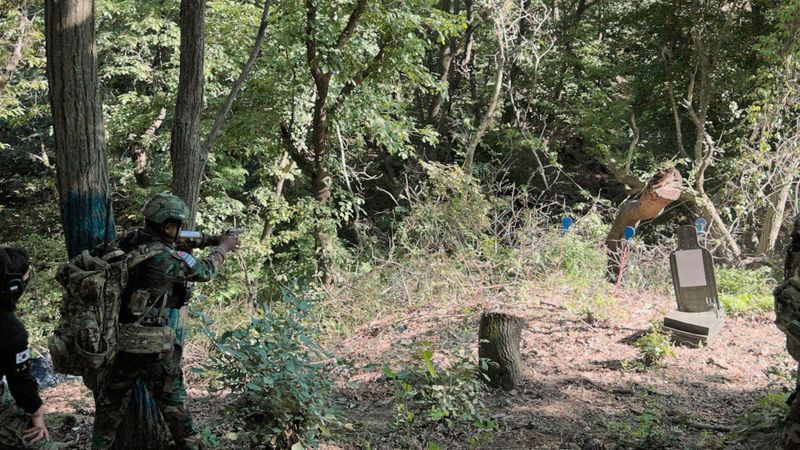
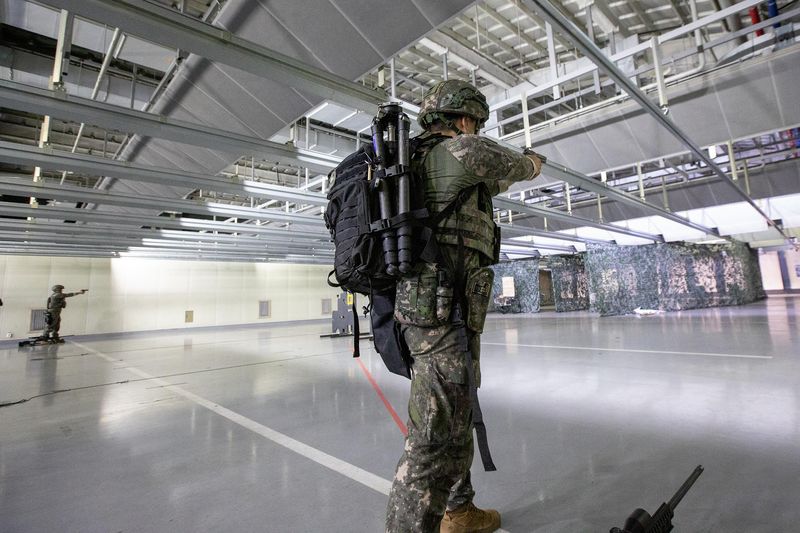
This year's competition completely moved away from the conventional format of simple precision shooting. It fully introduced a tactical-shooting session that included searching for and identifying targets with drones, neutralizing AI-powered robotic targets moving during urban operations, and realistic nighttime engagements with opposing forces. The event also combined stress shooting that simulated battlefield noise and situations requiring competitors to leave their positions with Tactical Combat Casualty Care (TCCC) evaluations, which involved providing first aid and evacuating an injured team member. Together, these events comprehensively tested the crisis-response capabilities required of snipers.
■ Special Warfare Command Proves Its Legend, Turning the Event into a Venue for Advanced Defense DiplomacyAfter a systematic and grueling evaluation, Team A of the ROK-SWC won the prestigious Legend division, the most demanding category pitting military special forces against foreign militaries, showcasing the prowess of one of the world's elite and unmatched special operations forces. The 9th Infantry Division's reconnaissance battalion took first place in the Specialist division, while the 1st Marine Division topped the Warrior division. Lieutenant Bilgung of the Mongolian military said, "It was a meaningful opportunity to learn various combat techniques and approaches from different countries and objectively assess our own level, going beyond simple competition."
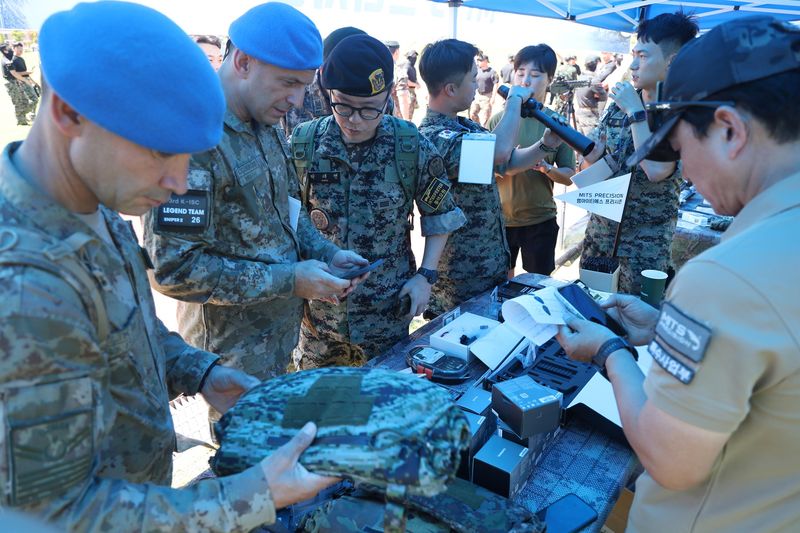
The hidden force accelerating K-ISC's rise as a globally respected competition is that the Ministry of National Defense and the ROK Army are linking it to a venue for defense-industry exports and military cooperation. During the event, the ROK-SWC operated promotional booths for 18 domestic defense companies showcasing advanced sniper equipment and AI-based dronebot combat systems. Foreign military attachés from 23 countries who visited the site to observe the competition inspected South Korean advanced weapons systems, including special operations radios and intelligent counter-drone systems, and offered enthusiastic praise.
An ROK Army official stated, "We will continue to expand and host the international sniper competition to strengthen a military-exchange network that integrates the outstanding tactics of countries around the world." After three editions, K-ISC is evolving into a security brand and firmly establishing itself as another intangible asset underpinning the credibility of South Korea's defense industry.
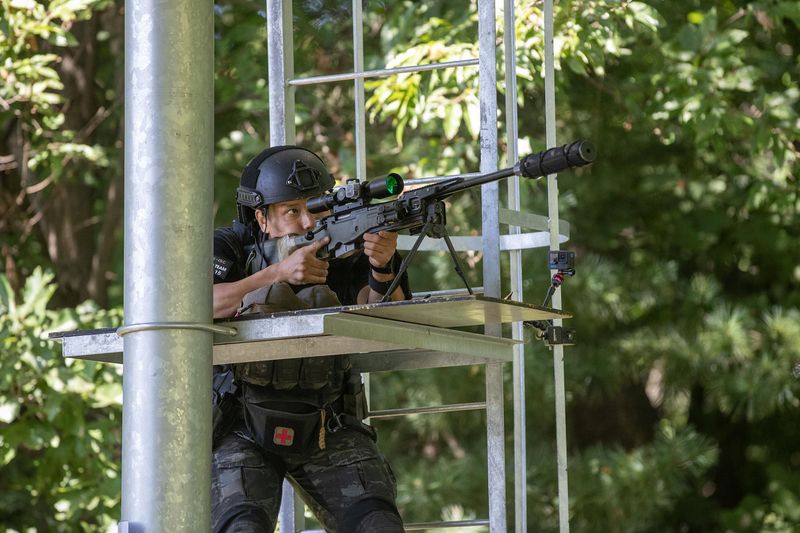
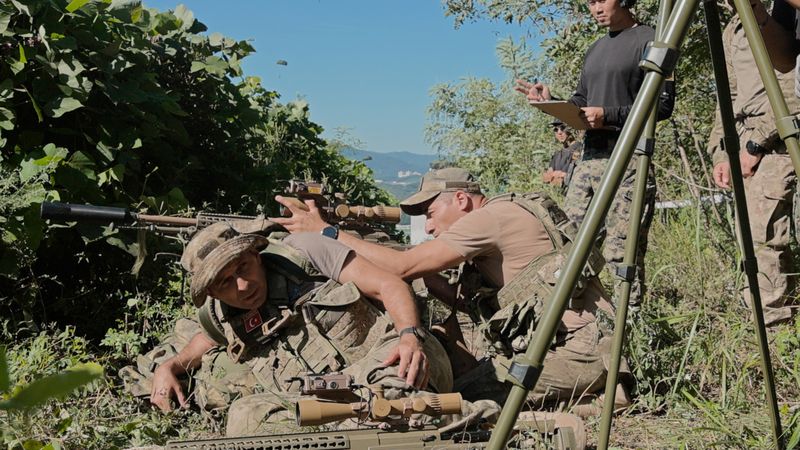
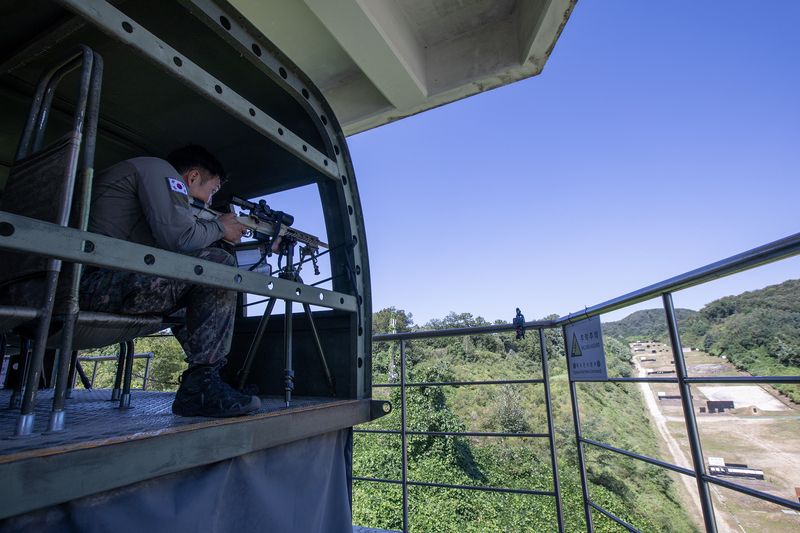
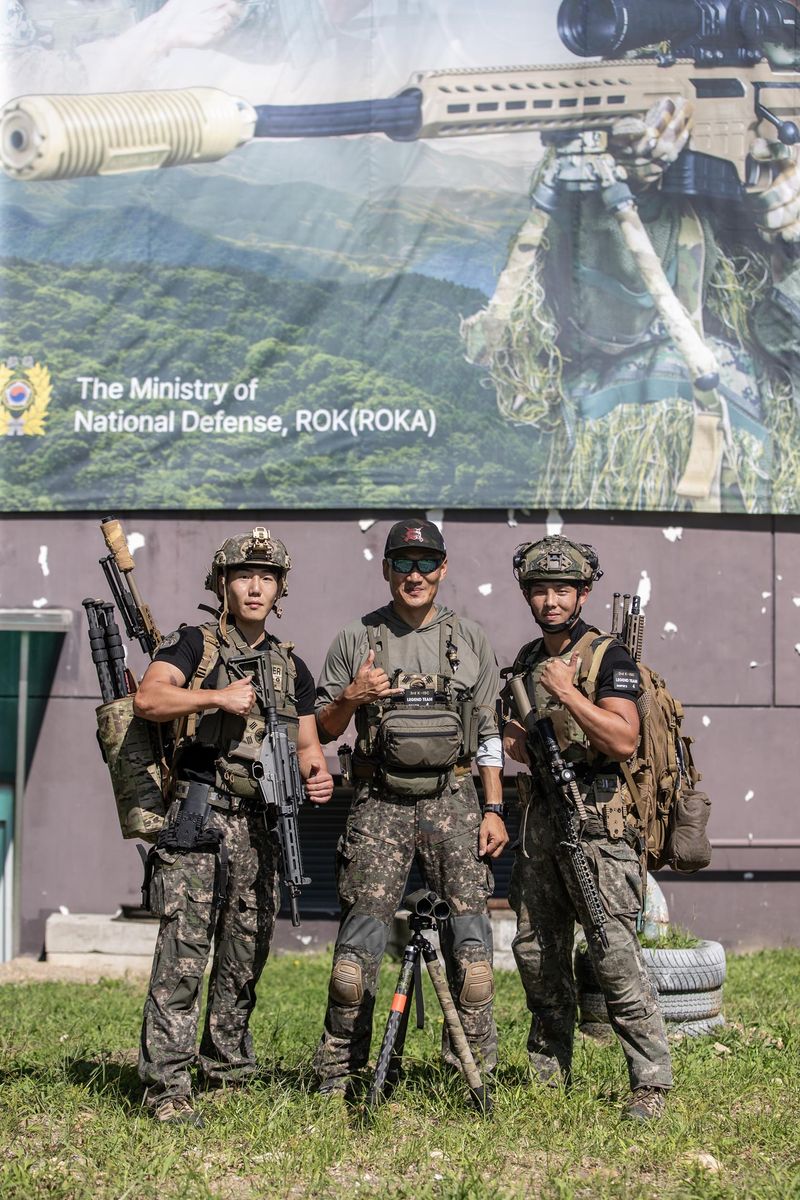
The ROK Army held the 3rd Minister of National Defense Cup International Sniper Competition (K-ISC) from the 3rd through the 10th. A total of 127 participants from 47 teams in seven countries took part. The photo shows a Coast Guard representative firing at a long-range target during tactical shooting in the Legend division. Courtesy of the ROK Army. The ROK Army held the 3rd Minister of National Defense Cup International Sniper Competition (K-ISC) from the 3rd through the 10th. A total of 127 participants from 47 teams in seven countries took part. The photo shows a competitor from the Turkish team securing a clear field of fire in wooded terrain and firing a sniper rifle while bracing it against a fellow team member during stress shooting in the Legend division. Courtesy of the ROK Army. The ROK Army held the 3rd Minister of National Defense Cup International Sniper Competition (K-ISC) from the 3rd through the 10th. A total of 127 participants from 47 teams in seven countries took part. The photo shows an ROK Army competitor occupying an advantageous high-ground sniper position and firing at a long-range target during tactical shooting in the Specialist division. Courtesy of the ROK Army. The ROK Army held the 3rd Minister of National Defense Cup International Sniper Competition (K-ISC) from the 3rd through the 10th. A total of 127 participants from 47 teams in seven countries took part. The photo shows a competitor from the Kazakh team firing a captured 12.7mm anti-materiel sniper rifle during stress shooting in the Legend division. Courtesy of the ROK Army. The ROK Army held the 3rd Minister of National Defense Cup International Sniper Competition (K-ISC) from the 3rd through the 10th. A total of 127 participants from 47 teams in seven countries took part. The photo shows a competitor from the Cambodian team firing a pistol at a nearby enemy (target) during stress shooting in the Legend division. Courtesy of the ROK Army. The ROK Army held the 3rd Minister of National Defense Cup International Sniper Competition (K-ISC) from the 3rd through the 10th. A total of 127 participants from 47 teams in seven countries took part. The photo shows an ROK Army competitor using a pistol to neutralize various sudden pop-up targets that appeared at close range indoors during tactical shooting in the Specialist division. Courtesy of the ROK Army. The ROK Army held the 3rd Minister of National Defense Cup International Sniper Competition (K-ISC) from the 3rd through the 10th. A total of 127 participants from 47 teams in seven countries took part. The photo shows foreign military personnel touring defense-industry promotional booths at the competition's opening ceremony on the 4th. Courtesy of the ROK Army. The ROK Army held the 3rd Minister of National Defense Cup International Sniper Competition (K-ISC) from the 3rd through the 10th. A total of 127 participants from 47 teams in seven countries took part. The photo shows members of the ROK Army team posing for a commemorative photo. Courtesy of the ROK Army. [email protected] Jong-yoon Lee Reporter