Saudi Arabia’s Oil Exports Plunge to 13-Year Low as Both Maritime Routes Are Blocked
- Input
- 2026-09-10 13:50:45
- Updated
- 2026-09-10 13:50:45
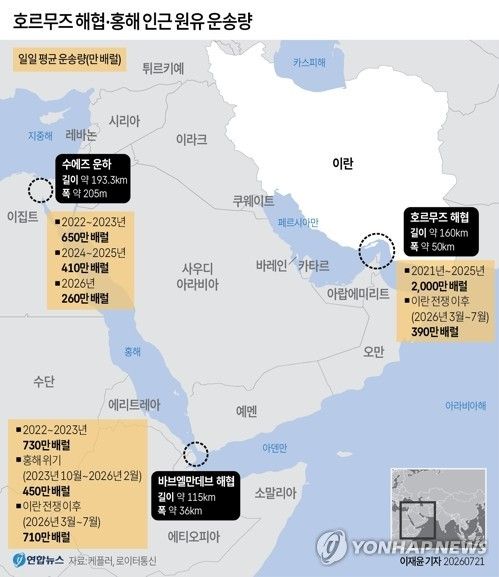
On the ninth, local time, The New York Times (NYT) reported, citing maritime intelligence firm Kpler, that "Saudi Arabia’s crude oil exports averaged 3.2 million barrels per day last month, the lowest level in 13 years." Before the war broke out, Saudi Arabia’s daily crude oil exports stood at about 7 million barrels.
Saudi Arabia had traditionally exported crude oil mainly through the Strait of Hormuz. After Iran blocked the strait, the kingdom activated another "Plan B" by increasing utilization of its east-west pipeline and shipping crude through ports along the Red Sea.
This time, however, Ansar Allah (Houthis), backed by Iran, moved to block Saudi Arabia’s Red Sea oil export route as well. To sell crude to Asian markets, Saudi Arabia has been left with no choice but to use a route through the Suez Canal and then take the Cape Route around the Cape of Good Hope, which costs more and takes longer.
As clashes between Saudi Arabia and the Houthis escalate to the level of an all-out war, the safety of the detour through the Suez Canal, north of the Red Sea, has not been fully secured either.
Late last month, a Saudi tanker was attacked in the central Red Sea. The incident demonstrated that the Houthis can strike not only near the Bab-el-Mandeb Strait directly off Yemen, but also deep inside the Red Sea using long-range weapons.
Against this backdrop, NYT noted, "Saudi Arabia, long the world’s largest oil exporter, now faces another test of its ability to supply oil."
[email protected] Hong Chae-wan Reporter