Director Jeong Tong-ryeong: "Clinical Effectiveness of High-Immunogenicity Influenza Vaccines Recognized"—Phased Introduction for Those Aged 75 and Older to Be Prioritized [Weekend Health]
- Input
- 2026-09-10 10:32:25
- Updated
- 2026-09-10 10:32:25
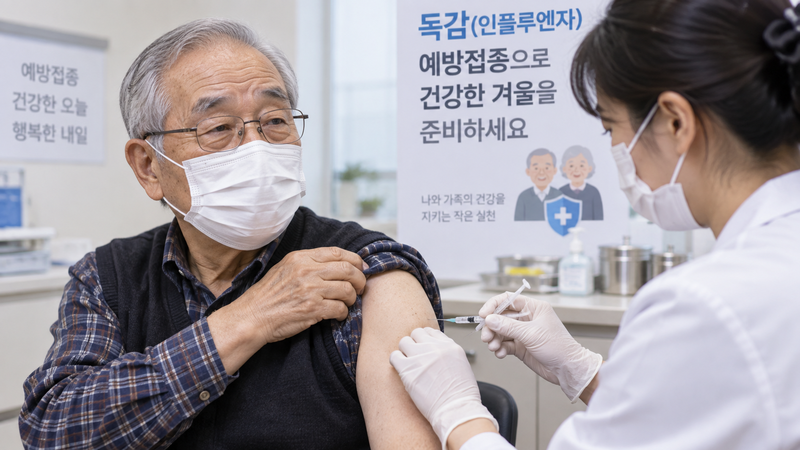
[Financial News] Although the influenza vaccination rate among people aged 65 and older in South Korea exceeds 80%, the vaccine's actual protective effectiveness has been found to be significantly lower. To address this gap between vaccination rates and protective effectiveness, the government is considering introducing high-immunogenicity vaccines into the National Immunization Program (NIP). The Korea Disease Control and Prevention Agency (KDCA) has identified the NIP introduction of high-immunogenicity influenza vaccines for people aged 75 and older as a priority consideration. The aim is to assess not only the maintenance of high vaccination rates but also actual protection as an outcome of the national immunization policy.
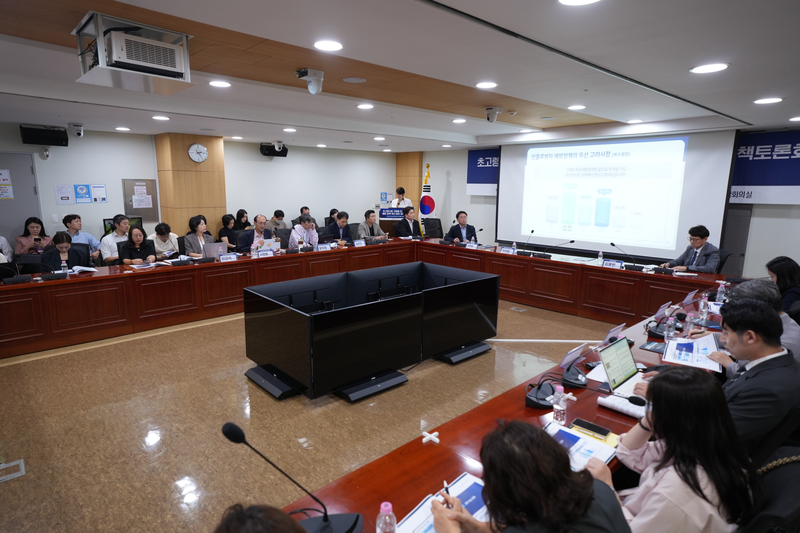
According to health industry sources on the 10th, the KDCA expressed support for switching to vaccines that take the characteristics of older adults into account at a policy forum held at the National Assembly of the Republic of Korea on the 3rd, titled "Policy Forum on Innovative Measures for Influenza Prevention among Older Adults in a Super-Aged Society." The agency said it would first consider a phased introduction beginning with those aged 75 and older and pursue the plan as a priority during the budget-allocation process.
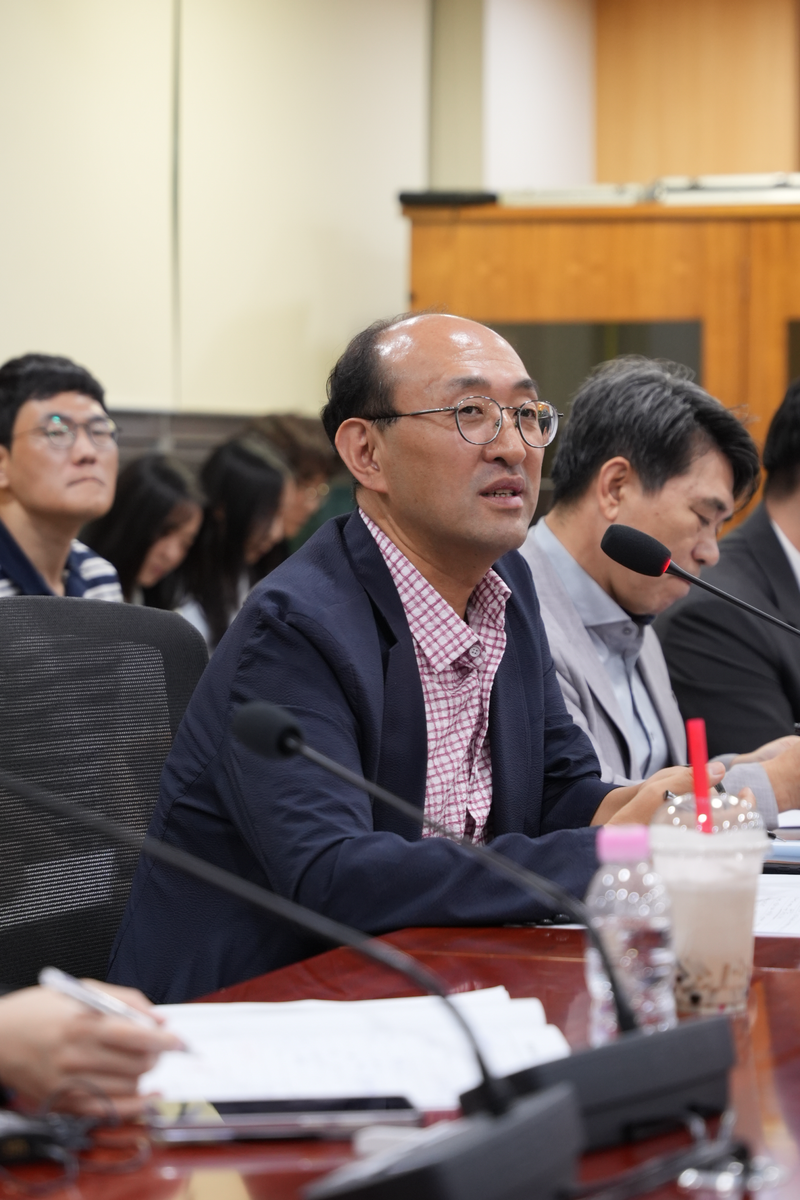
Jeong Tong-ryeong, director of the KDCA's Medical Safety and Prevention Bureau, said of the government's direction on the National Immunization Program, "We need to diversify the performance indicators for immunization programs, considering not only vaccination rates but also actual protective effectiveness."
The KDCA had previously identified the introduction of high-immunogenicity influenza vaccines into the NIP for people aged 75 and older as a priority consideration in its report to the president. It is expected to review the specific target groups and support methods by comprehensively assessing the disease burden, vaccine effectiveness, cost-effectiveness, and fiscal conditions.
A phased approach based on age is currently being considered as the preferred method of introduction.
Director Jeong stated, "As in Japan, we are first considering introducing the vaccine across the board for those aged 75 and older, then gradually lowering the age threshold." However, he explained that the specific scope of application would be determined through future discussions, saying, "We need to decide the eligible groups and vaccination methods based on how much funding can be secured and what fiscal capacity is available during discussions with the fiscal authorities and the National Assembly."
Even with vaccination rates above 80%... protective effectiveness among older adults plunges
The KDCA is considering upgrading its vaccination policy for older adults because their disease burden remains high despite high vaccination rates. Due to immunosenescence, older adults may not receive sufficient protection even after receiving standard-dose vaccines. Older adults with multiple chronic conditions face a higher risk of hospitalization and severe illness if infected with influenza, and this disease burden increases with age.
The limitations were also confirmed in the HIMM study, which involved 3,954 people at eight university hospitals in South Korea. Influenza vaccine effectiveness (VE) was 46.8% among those aged 50–64, but only 18.8% among those aged 65 and older. The vaccine's effectiveness in preventing hospitalization was 48.3% among those aged 50–64, compared with just 10.1% among those aged 65 and older.
As a result, calls have continued to use high-immunogenicity influenza vaccines, which induce a stronger immune response in consideration of immunosenescence, to improve actual protection among older adults. High-dose influenza vaccines, a leading type of high-immunogenicity vaccine, contain more antigen than standard-dose vaccines and were developed to induce a stronger immune response in older adults experiencing immunosenescence.
Director Jeong also agreed on the need to switch to vaccines that take the physical characteristics of older adults into account. He said, "I agree that it is extremely urgent to switch to the most appropriate vaccine for older adults, taking their characteristics and weakened immunity into consideration."
Budget is key... Other countries are introducing the vaccines in phases, starting with high-risk groups
Neighboring countries are already using a phased approach that applies high-immunogenicity vaccines first to high-risk groups, taking fiscal conditions and disease risks into account. Taiwan plans to prioritize people aged 65 and older living in long-term care facilities beginning with the 2026–2027 season, following an economic evaluation and expert review. Japan is also taking a phased approach based on age and risk level.
In South Korea, prioritizing protection for high-risk groups rather than making a full-scale switch has been proposed as a realistic alternative.
Song Jun-young, a professor of infectious diseases at Korea University Guro Hospital, explained, "Given the substantial disease burden caused by influenza among people aged 65 and older and the low effectiveness of the standard influenza vaccines currently in use, high-immunogenicity influenza vaccines need to be introduced." He added, "Introducing them for all people aged 65 and older would provide the greatest health benefits. However, considering the limited budget, support could begin with the highest-risk groups—people aged 75 and older and those aged 65 and older living in long-term care facilities—and then expand in phases."
The key issue is the budget. The older population is growing rapidly, and high-immunogenicity vaccines cost more than existing standard-dose vaccines, creating a financial burden if they are introduced nationwide for all older adults. Experts nevertheless noted that cost-effectiveness should be assessed by considering not only the cost of introducing the vaccines but also potential savings in medical expenses resulting from reductions in influenza-related hospitalization, severe illness, and death.
With the KDCA identifying the introduction of high-immunogenicity vaccines as a priority consideration, attention is focused on whether detailed budget discussions for prioritizing high-risk groups will begin in earnest, based on reviews of the clinical need and cost-effectiveness.
Director Jeong said, "I believe we need to approach future budget planning with this as a priority, and that is how we intend to proceed."
[email protected] Medical Correspondent Jeong Myeong-jin Reporter