MOLIT to Begin Selection Process for New Urban Regeneration Projects Next Year... Up to 15 Billion Won in Support Over Four Years
- Input
- 2026-09-10 11:00:00
- Updated
- 2026-09-10 11:00:00
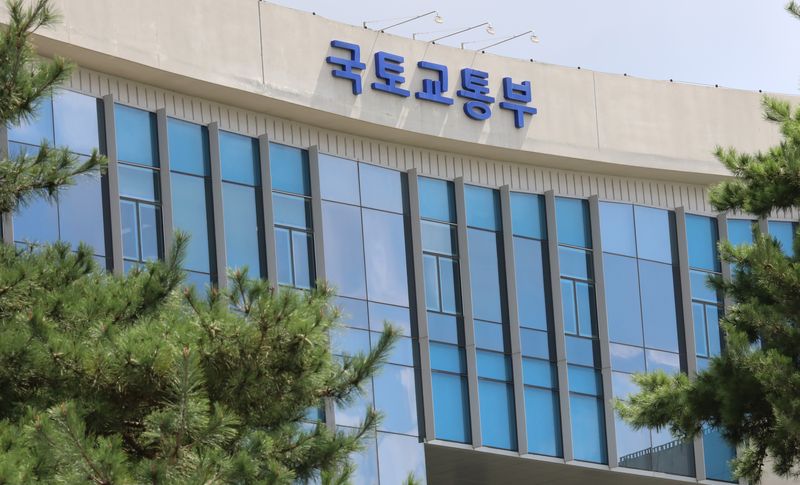
[Financial News] The Ministry of Land, Infrastructure and Transport (MOLIT) will begin the selection process for new urban regeneration projects for next year.
According to MOLIT on the 10th, the ministry will launch the selection process for new urban regeneration projects for 2027 on the 11th.
Urban regeneration projects aim to revive declining cities and achieve balanced national growth. This year, the scope of support was expanded so that results can continue even after projects are completed.
Starting next year, support will be expanded to strengthen local self-sufficiency by building the capacity of project stakeholders, including local residents and merchants, and developing operators for urban regeneration hub facilities.
Considering local governments’ budget-planning schedules, the project selection process will require them to prepare and submit project plans by the end of the year. The plans will then be finalized after review in the first half of next year by the Special Committee on Urban Regeneration, chaired by the prime minister.
In particular, the period from the announcement of the call for proposals to submission has been extended from about one month to at least three months to allow for more substantive project plans. The number of preliminary consulting sessions will also increase from one to at least two. In addition, surveys of social overhead capital (SOC) facilities in each region will be strengthened to prevent duplication among similar facilities, while a standardized form for surveying residents’ needs will be introduced to systematically reflect their opinions.
Next year’s new urban regeneration projects will be divided into three categories: regional-specialization regeneration projects, support projects for the improvement of aging residential areas, and recognized projects. The support projects for the improvement of aging residential areas will be further divided into general improvement and vacant-home improvement types.
Regional-specialization regeneration projects use unique local assets, such as history, culture and industry, to develop city branding, revitalize commercial districts and support startups. Up to 15 billion won in national funding will be provided over four years. Support projects for the improvement of aging residential areas will supply infrastructure and amenities in aging low-rise residential areas and assist private-sector housing improvements. Up to 15 billion won will be invested over five years, while the vacant-home improvement type will receive up to 5 billion won over four years. Recognized projects will involve small-scale infrastructure improvements and building remodeling, with up to 5 billion won planned over three years.
Detailed information on the selection process will be posted on MOLIT’s website and the Urban Regeneration Comprehensive Information System website starting on the 11th. MOLIT will also hold a project briefing for local governments on the 17th at the main auditorium of Korea Railroad Corporation headquarters in Daejeon.
Kim Yi-tak, First Vice Minister of Land, Infrastructure and Transport, said, "Urban regeneration projects are a key initiative for overcoming the crisis of regional depopulation and achieving balanced growth. We will actively support all stakeholders in the urban regeneration governance system—including local governments, support centers and local residents—so that they can successfully carry out the projects together."
[email protected] Jung Kyung-soo Reporter