Deaths and Missing Persons in Jeju Waters Concentrated in Autumn at 45%—16 Percentage Points Higher Than Nationwide
- Input
- 2026-09-10 07:27:12
- Updated
- 2026-09-10 07:27:12
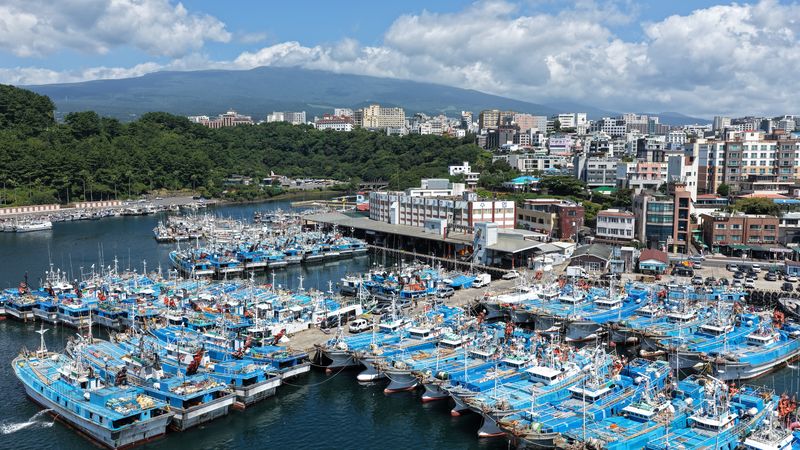
【FINANCIAL NEWS Jeju=Jung Yong-bok】 Of the 60 people who died or went missing in maritime accidents in the waters off Jeju over the past five years, 27 were involved in accidents during autumn. With the Chuseok holiday and peak fishing season approaching, the seasonal safety vulnerabilities of Jeju’s waters are once again drawing attention.
According to the Jeju Maritime Affairs and Fisheries Management Unit of the Busan Regional Office of Oceans and Fisheries and the Ministry of Oceans and Fisheries on the 10th, a total of 60 deaths and missing persons were recorded in maritime accidents in the waters off Jeju from 2021 to 2025.
Autumn recorded the highest number, with 27 people, or 45% of the total. It was followed by winter with 18 people (30%), summer with 10 (17%), and spring with five (8%). The number of casualties in autumn was nine higher than in winter, 2.7 times the summer figure, and 5.4 times the spring figure.
Compared with the national figures, the concentration in autumn was more pronounced in the waters off Jeju. An MOF analysis of maritime accident deaths and missing persons nationwide over the past five years found that winter accounted for 182 people, or 30%, while autumn accounted for 179, or 29%. Spring accounted for 139 people (23%), and summer for 114 (19%).
Nationwide, the shares for winter and autumn were similar, but in Jeju, autumn accounted for the largest share at 45%. The autumn share in the waters off Jeju was 16 percentage points higher than the national figure.
The heightened risk in Jeju’s waters during autumn is driven by a combination of fishing activity, travel demand, and weather. More fishing vessels operate during the peak fishing season, while passenger vessel use and sailing frequency increase during the Chuseok holiday. These factors coincide with the possibility of typhoons, rough seas, high waves, and other adverse weather conditions.
This year’s Chuseok holiday runs from the 24th through the 27th. The Korea Maritime Transportation Safety Authority forecast that an average of approximately 77,000 passengers per day would use coastal passenger vessels nationwide during the holiday. That is about 2.8% higher than in an average year.
The government has also begun safety inspections of coastal passenger vessels ahead of Chuseok. From August 31 through the 11th, MOF has been conducting joint special inspections of 141 coastal passenger vessels nationwide, with the Korea Maritime Transportation Safety Authority, the Korea Coast Guard (KCG), and local governments taking part.
The inspections cover key facilities, including hulls, engines, and lifesaving equipment, as well as the placement of safety managers in boarding and disembarkation areas, passenger amenities, and safety management in vehicle areas. If problems are identified, the authorities plan to require improvements before the Chuseok special transportation measures period.
The Jeju Maritime Affairs and Fisheries Management Unit is separately implementing the Autumn Maritime Accident Prevention Measures for the Waters off Jeju from this month through November. It will strengthen on-site inspections by vessel type, including fishing vessels, passenger vessels, and tugboats, and operate a special transportation task force during the Chuseok holiday. Navigation aids and port security facilities will also be inspected.
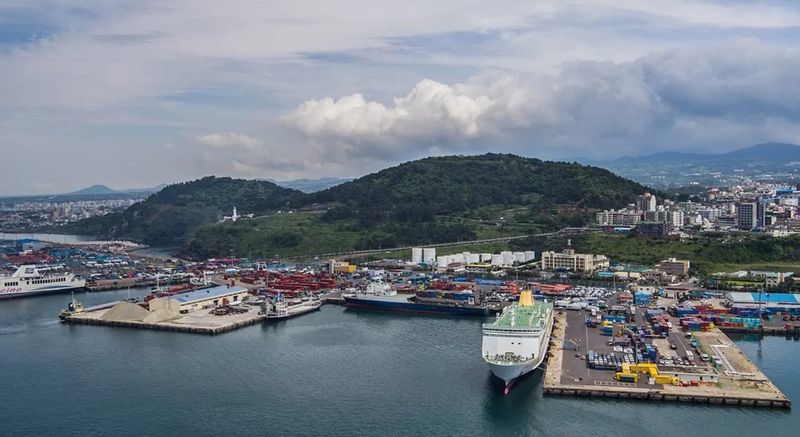
The authorities will also conduct a safety campaign informing passenger vessel travelers about the rules for bringing lithium batteries on board. Cruise ships calling at Jeju will undergo joint inspections with relevant agencies, including the Jeju Coast Guard. Potential hazards will be identified and addressed through the Jeju Regional Maritime Safety Council.
Nationwide, September through November is also designated as a period of intensive maritime accident management. MOF will inspect about 1,500 fishing vessels, tugboats, and other vessels at high risk of accidents, focusing on work safety rules and the condition of mooring lines and fishing nets. Patrol vessels and coast guard ships will be deployed intensively in waters where accidents frequently occur.
The types of accidents causing casualties in autumn also indicate where preventive measures should focus. Over the past five years, safety accidents such as falls overboard and capsizing or sinking accounted for 88% of deaths and missing persons in nationwide autumn maritime accidents.
Management of vessels carrying large numbers of passengers, including coastal passenger vessels and fishing boats for anglers, will also be strengthened. MOF’s autumn prevention measures include joint inspections by relevant agencies of 150 coastal passenger vessels and 380 fishing boats for anglers.
The number of maritime accidents itself also remains high. Nationwide maritime accidents totaled 3,513 last year, up 258, or 7.9%, from 3,255 in 2024. By contrast, deaths and missing persons fell by 27, or 16.5%, from 164 to 137.
Of the 137 deaths and missing persons recorded last year, safety accidents accounted for 84, or 61.3%, when classified by accident type. Capsizing followed with 25, while fires and explosions accounted for 10, and collisions and groundings for eight each.
Because the number of accidents and the resulting casualties do not necessarily move in the same direction, policy efforts are focused not only on reducing accidents themselves but also on preventing serious accidents that lead to deaths or people going missing.
Because the concentration of autumn deaths and missing persons is higher in Jeju than nationwide, safety management before departure is especially important there. Fishing vessels, passenger vessels, and cruise ships travel through the waters off Jeju during a period when the peak fishing season and Chuseok travel demand coincide with weather risks. Vessel-specific inspections and weather-based decisions on whether to operate will therefore be crucial.
Yoo Hyun-sook, head of the Jeju Maritime Affairs and Fisheries Management Unit, said, "Autumn is the season when maritime accidents cause the highest number of casualties. We will strengthen inspections of vessels and facilities and conduct safety campaigns so that the public can use the sea with confidence."
[email protected] Jung Yong-bok Reporter