Trump Earned $4.4 Million From Oil and Gas Stocks During Six Months of Iran War
- Input
- 2026-09-10 06:37:48
- Updated
- 2026-09-10 06:37:48
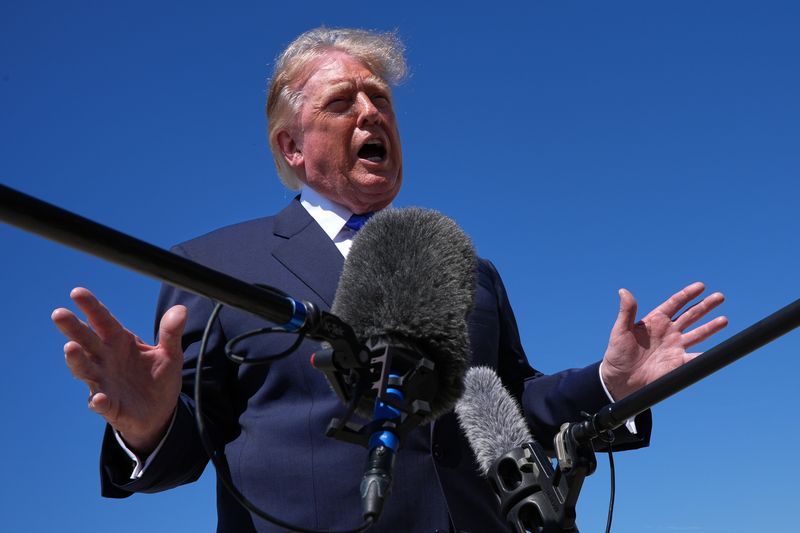
[Financial News] As the war between the United States and Iran drags on, the value of major oil and gas stocks held by U.S. President Donald Trump has risen by as much as $4.4 million since the war began.
According to CNBC on the 9th local time, the value of shares in nine major oil and gas companies held by President Trump at the end of last year was estimated to have increased by approximately $1.5 million to $4.4 million, based on closing prices from February 27, the day before the Iran war began, through August 31.
At least 23 transactions involving these nine companies were identified in President Trump's investment accounts through June 29 during the war.
CNBC reported that some of the transactions took place around periods when international oil prices and energy stocks surged or plunged following policy statements or decisions by President Trump.
On March 2, two days after the war began, President Trump's accounts purchased shares in major energy companies, including ExxonMobil.
On March 23, 16 purchases of oil and gas stocks were made. The total value of the transactions was estimated at approximately $163,000 to $570,000.
That was the day international oil prices plunged by more than 10% after President Trump said he would postpone airstrikes on Iranian energy facilities.
On April 7, he also sold a large number of ExxonMobil shares ahead of the announcement of a two-week ceasefire with Iran. The ceasefire was announced about two and a half hours after the market closed that day, and ExxonMobil's share price fell by more than 6% on the next trading day.
CNBC reported that it found no evidence that President Trump or his investment managers traded with advance knowledge of policy decisions.
The White House said that neither President Trump nor his family is involved in stock trading and that all investment decisions are made by independent investment managers.
Government ethics watchdogs, however, criticized the president's policy decisions that directly affect the market, saying they raise conflict-of-interest concerns while he holds substantial financial interests in energy companies.
[email protected] Lee Seok-woo, International Affairs Specialist Reporter