"Oil Tanker Set Ablaze, One Dead"... Iran Runs Amok, Strikes Civilian Merchant Ships to Target Trump
- Input
- 2026-09-10 01:12:26
- Updated
- 2026-09-10 01:12:26
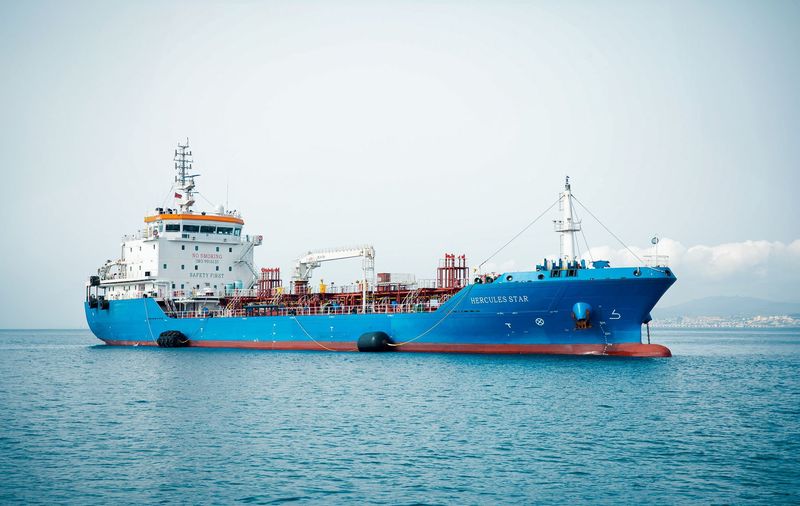
According to AFP and other foreign media outlets on the 9th (local time), the Gibraltar-flagged oil tanker Hercules Star, which was anchored off Dubai in the United Arab Emirates (UAE), was attacked, leaving one crew member dead and another missing. Maritime security sources believe the vessel was likely targeted in a drone attack.
Attacks continued in Iraqi territorial waters. The Panama-flagged tanker New Andros, carrying about 2 million barrels of Iraqi fuel oil, caught fire after being attacked by a drone. Iraq's Oil Ministry said part of the hull was damaged, but there were no casualties or oil spills at sea.
The Islamic Revolutionary Guard Corps (IRGC) claimed that it had attacked a total of 20 vessels that day, including two U.S. vessels, eight tankers, and 10 so-called "non-cooperative vessels." The attacks were part of an all-out retaliation against the recent destruction of five Iranian tankers by the U.S. military. In particular, the "non-cooperative vessels" identified by Iran are understood to be civilian merchant ships that passed through a "maritime control zone" unilaterally declared by Iran without prior coordination.
Diplomatic and security experts pointed to U.S. economic sanctions as the backdrop to Iran's extreme military provocations.
The New York Times (NYT) reported that day, citing expert analysis, that "the Iranian government is adopting an increasingly aggressive approach in response to mounting U.S. economic pressure and the loss of its control over the Strait of Hormuz." The report said Iran is seeking a way out by heightening military tensions as it faces a serious domestic crisis, including soaring prices and unemployment caused by the U.S. economic blockade on its oil exports.
The NYT assessed that Iran's leadership views the upcoming U.S. midterm elections in November as a "decisive moment" to pressure the Trump administration. The analysis is that Iran is seeking to reshape the situation by driving up global oil prices and creating logistical instability through preemptive maritime provocations, ultimately forcing the United States, unable to bear the economic burden, to negotiate sanctions relief.
Farzan Sabet, a researcher at the Graduate Institute of International and Development Studies (IHEID), predicted, "Iran will seek to intensify the military confrontation while avoiding a return to all-out war," adding, "Ultimately, it hopes that worsening global economic conditions will pressure the United States into easing tensions and reaching a limited agreement."
[email protected] Park Ji-hyun Reporter